REVIEW · PUERTO VALLARTA
Whale Watching Adventure – Led by a Marine Biologist
Book on Viator →Operated by ECOTOURS VALLARTA · Bookable on Viator
Whales get louder when you listen. This Puerto Vallarta outing pairs a short humpback whale talk with hydrophone listening led by a marine biologist, and keeps the group small so the whole experience stays focused. One thing to plan for: the water can feel bumpy, and motion sickness is real if you’re sensitive.
I like that you start early and get guidance before you ever reach open water. You’ll also be fed: coffee or tea, refilled water, a light bite, and sodas plus granola bars are included, so you don’t waste the best part of the morning hunting for a snack.
In This Review
- Key things to know before you go
- Morning science at Ecotours Vallarta: more than a warm-up
- Whale listening with the hydrophone: hearing the song, not just seeing the splash
- Marina Vallarta and the short transfer: where the day really begins
- How the biologist and captain work together to help you spot behavior
- What you might see in Banderas Bay: humpbacks plus the extras
- Snacks, comfort, and bathroom reality on a 3.5-hour boat
- Price and value: what you’re actually paying for
- Who this whale watching adventure fits best
- Should you book this Puerto Vallarta whale watch with ECOTOURS Vallarta?
- FAQ
- How long is the whale watching adventure?
- Where do I meet, and what time does it start?
- Is the tour offered in English?
- What’s included in the tour?
- Is there any extra fee not included in the price?
- Can children participate?
- What if the tour is canceled due to weather?
Key things to know before you go
- Marine biologist-led science, not a generic slideshow
- Hydrophone whale listening, so you hear humpback vocalizations in context
- Small group size (max 14) for better spotting and questions
- A pre-boat humpback talk, plus an on-board lecture about humpbacks
- Practical included food and drinks, plus a restroom on board (with a small “check first” tip below)
Morning science at Ecotours Vallarta: more than a warm-up
Your day starts at Ecotours Vallarta at 8:30 am. Before the boat part, there’s a 20-minute talk built around humpback whale biology, ecology, and behavior. Think of it as getting your whale “cheat codes” before you look for movement on the water.
This is one of the big strengths of the experience: you’re not just hoping to see whales. You’re learning what you’re looking for, and why it matters. You’ll get a video and lecture focused on humpback biology and behavior, which helps sightings make sense in real time. When the crew talks about migration patterns or why certain groups show up together, you’re better prepared to spot the difference between feeding, social behavior, and more dramatic interactions.
I also like that the presentation sets expectations for how whale activity can look. Humpbacks don’t only show up as “big animals breaching.” They also communicate, interact, and travel in ways that can be subtle if you don’t know what to watch.
You can also read our reviews of more whale watching tours in Puerto Vallarta
Whale listening with the hydrophone: hearing the song, not just seeing the splash
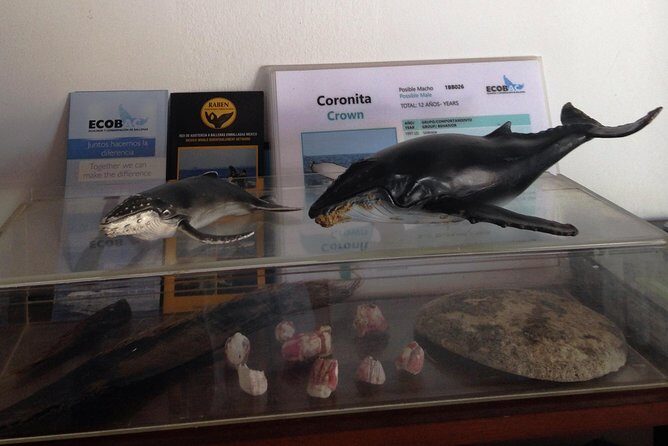
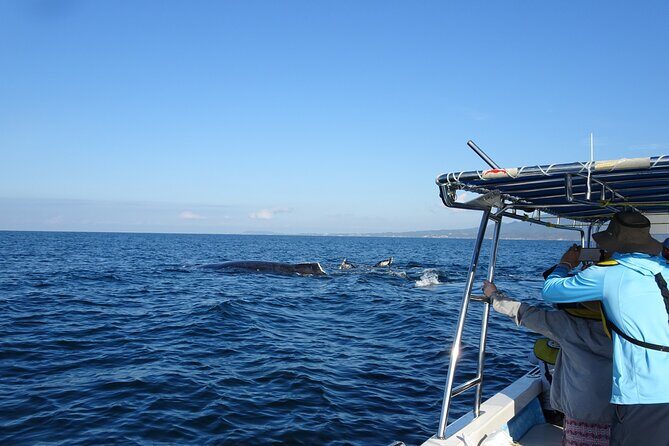
The tour’s signature moment for many people is the hydrophone system. Instead of relying only on what your eyes catch, you can listen to whale sounds underwater. That changes the experience fast.
Humpback vocalizations can be hard to notice from the surface. The hydrophone helps you connect what you learned in the talk to what’s happening out there. You’re essentially getting a science-led “audio guided” moment: the guide can explain what the sound likely represents while you listen.
On calmer moments, you might also notice that you can pick up whale communication even without the hydrophone, but the point is the same either way: you’re experiencing whales as animals that communicate, not just animals that jump.
Practical tip: treat the hydrophone time like a theater moment. Bring a watch-ready mindset. Keep your attention on the guide’s cues about direction and behavior, and you’ll get more out of the sound session than you would trying to multitask.
Marina Vallarta and the short transfer: where the day really begins
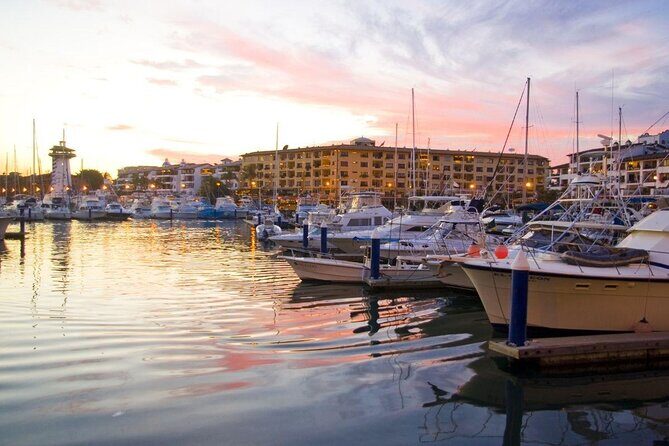
After the Ecotours Vallarta stop, you move to Marina Vallarta. The on-water part begins with boarding and disembarking, which takes about 10 minutes at the marina.
Total duration is roughly 3 hours 30 minutes, so the timing is designed to feel full without dragging. You’re out long enough for multiple search-and-watch windows, but not so long that you lose attention or comfort.
This is also where small-group size helps. With a maximum of 14 travelers, the crew can manage viewing without feeling overcrowded. You’re more likely to keep a clear line of sight when whales appear, and you’ll have better odds of asking questions when the biologist has time to answer.
How the biologist and captain work together to help you spot behavior
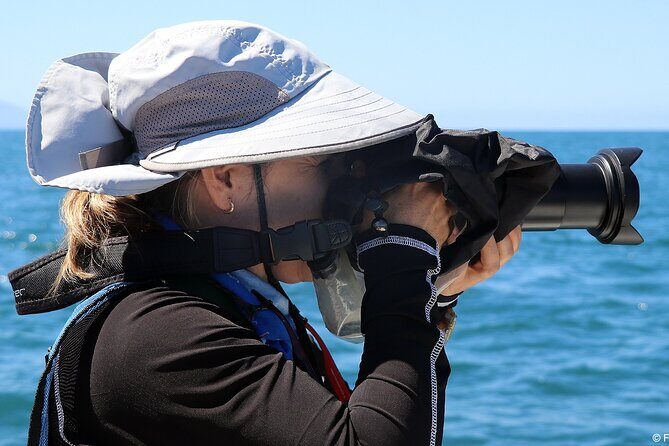
The most repeated “why this is worth it” theme here is the combination of the professional marine biologist and a strong boat captain. Spotting whales isn’t only luck. It’s also about positioning, scanning, and knowing where behavior might lead next.
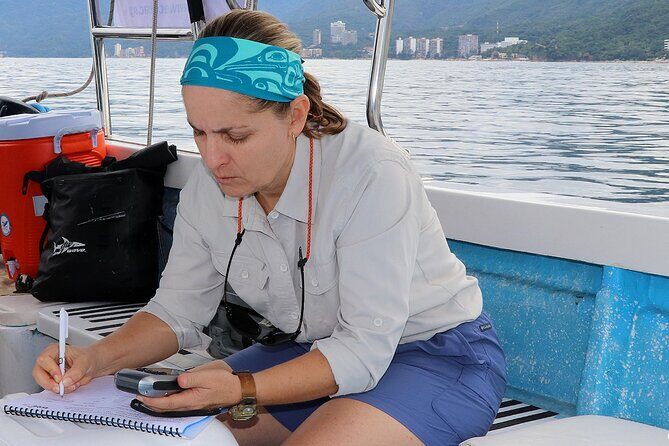
The marine biologist portion is the learning engine. Guides such as Francisco, Cynthia, and Maggy are described as leading the experience with deep whale information and a friendly, question-first approach. The captain side is the motion and safety engine. Names like Raphael show up as the kind of operator who gets the group to good viewing zones quickly and safely.
What you should look for is whale behavior, not just whale presence. With the biologist interpreting what you’re seeing, you’re more likely to understand cues like:
- mother-and-calf social behavior
- male escort or competitive behavior
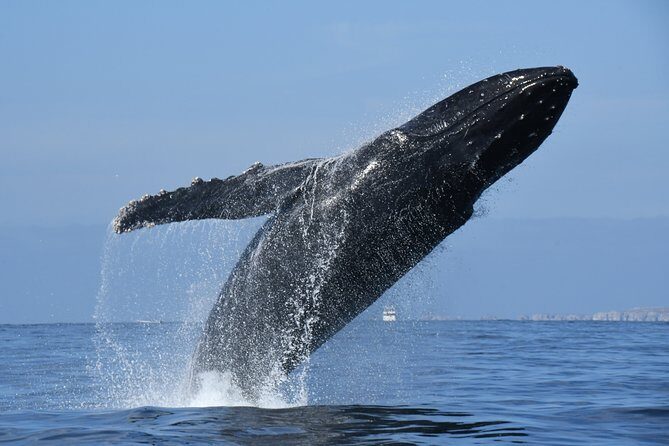
- dramatic surface actions like fluke slaps and breaches
Even if the sea is busy, the guide’s job is to keep your attention on the right things at the right moment. That’s why this tour often feels different from the purely visual whale cruises.
What you might see in Banderas Bay: humpbacks plus the extras
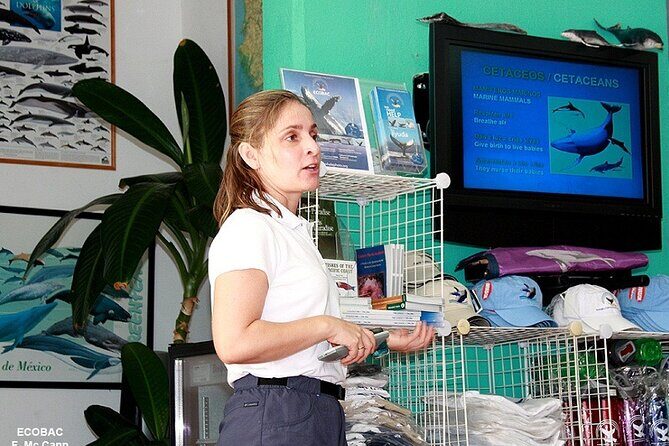
This trip is built around humpback whales. In practice, many tours in this area tend to include multiple “types” of encounters during a morning, especially when whales are actively moving or socializing.
Here are some of the patterns you can reasonably expect the crew to watch for, since they match the behaviors that show up again and again:
- Moms with calves, which often draws the most emotion because the behavior is protective and close-range
- Fluke slapping and head slaps, which can happen as whales surface and communicate
- Breaching, the dramatic jump behavior that gets everyone silent for a second
- Males showing off during mating-season type activity, including group behavior that looks like competition
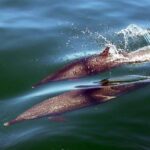
You may also see other marine life. Some departures report dolphins alongside the whales, and others include occasional extras such as sea turtles or even a manta ray. Those aren’t guaranteed, but the tour is clearly set up to notice more than just the main target.
One more helpful mindset: don’t fixate only on the biggest whale action. In humpback watching, the quieter moments are often where the biology story clicks. You might see fewer dramatic jumps, but still get a lot out of listening, watching group formation, and understanding behavior.



Snacks, comfort, and bathroom reality on a 3.5-hour boat
Good news first: you’re not sent out hungry. Included refreshments are coffee or tea, refilled water, a light bite, plus sodas and granola bars. That’s perfect for an early start because you can stay focused on spotting instead of waiting until you get back to eat.
Comfort tips matter on any whale cruise:
- Bring sunscreen and a hat. Even with a canopy overhead, morning sun adds up.
- Plan for wind and spray. A light layer can make a difference once you’re out past the marina.
- If you get motion sick, consider taking steps early. One guest noted the crew helped by offering ginger when the water got rough.
Now, the bathroom situation has a small wrinkle. The included info says there’s a restroom on board, but one review noted no bathrooms on board. That’s conflicting, and it’s worth handling like a grown-up: use facilities before you board, and don’t assume you’ll have easy access once you’re fully underway.
Alcohol is not included, so if you’re thinking about bringing a buzz to the ocean, skip that plan. You’ll have the included drinks instead.
Price and value: what you’re actually paying for
There isn’t a price number listed here, so I’ll focus on what the money buys. This tour’s value comes from stacking several high-quality pieces that many cheap whale trips don’t include:
- a marine biologist guiding the experience
- a humpback-focused lecture (plus video during the pre-boat portion)
- the hydrophone system so you can listen to whale sounds
- snacks and drinks that keep you comfortable for the full morning
- travel insurance included
- a small group cap of 14 travelers
Then there’s one add-on: a boarding fee of $5 per person at Ecotours Vallarta is not included. Also, alcoholic beverages are not included.
So how do you judge value? Ask yourself what matters most:
- If you want to hear whales and learn why their behavior looks the way it does, the hydrophone + biologist combo is the value driver.
- If you only care about a quick photo, you might find cheaper options. But you’d be giving up the science component that makes this trip feel like more than “boats on a schedule.”
- If you’re sensitive to crowding, the small group limit helps a lot. It’s easier to spot and easier to ask questions when you’re not pressed against strangers.
Who this whale watching adventure fits best
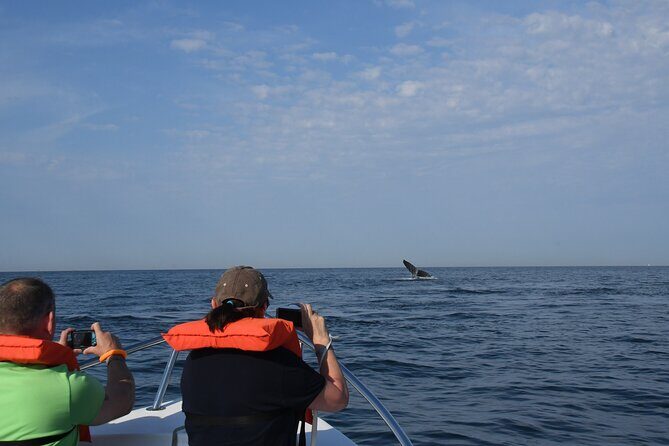
This experience is a strong match for:
- wildlife lovers who enjoy understanding animal behavior, not only spotting distance
- families who want a structured, educational outing
- couples and solo travelers who like a calm pace and a smaller group on the water
There are also clear child guidelines. Children must be accompanied by an adult, and it’s not recommended for children age 2 and under. Most other travelers can participate.
If you’re going with kids, I’d lean into the educational parts. The pre-boat talk and on-board lecture give the day an anchor. When the ocean is active, kids often stay engaged better when someone explains what they’re seeing and hearing.
Should you book this Puerto Vallarta whale watch with ECOTOURS Vallarta?
Book it if you want humpback whales with context. This isn’t just a boat ride. The hydrophone listening, the humpback biology talk, and the small-group format make the experience feel guided from start to finish.
Skip or be cautious if:
- you know you get sick quickly on boats and you haven’t handled that before
- you need reliable restroom access during the entire outing (since there’s a documented mismatch between included info and at least one guest note)
If you can handle a morning on the water and you’re excited to learn what whales are doing and why, this is a very smart choice in Puerto Vallarta.
FAQ
How long is the whale watching adventure?
It lasts about 3 hours 30 minutes (approx.).
Where do I meet, and what time does it start?
Meet at Ecotours Vallarta / Proa 20, Marina Vallarta, 48335 Puerto Vallarta, Jal., Mexico. The start time is 8:30 am.
Is the tour offered in English?
Yes, it’s offered in English.
What’s included in the tour?
Included: coffee or tea, refilled water, a light bite, sodas and granola bars, a professional guide, travel insurance, restroom on board, a hydrophone system to listen to marine mammal sounds, and a lecture about humpback whales.
Is there any extra fee not included in the price?
Yes. There’s a boarding fee at Ecotours Vallarta of $5.00 per person.
Can children participate?
Children must be accompanied by an adult. It’s not recommended for child aged 2 and under.
What if the tour is canceled due to weather?
This experience requires good weather. If it’s canceled due to poor weather, you’ll be offered a different date or you’ll receive a full refund.