REVIEW · PUERTO VALLARTA
Whale Encounter Puerto Vallarta
Book on Viator →Operated by Eco Explorer Vallarta · Bookable on Viator
A fast boat, real wildlife, and whale songs you can actually hear. This 3-hour whale encounter runs from Marina Vallarta and mixes close sightings with a bilingual marine mammal guide, so you don’t just watch—you understand what you’re seeing. Expect adrenaline, a small group, and a chance to learn about mating behavior and calf care right on the water.
Two things I love: the hands-on whale learning (males competing, moms with calves, and the behavior behind it) and the use of a hydrophone so you can listen to whale sounds during the trip. You also get snacks plus basic safety gear, which makes it feel like an outing built for comfort, not just chasing sightings.
One drawback to consider: the boat can get very wet, and the exact spots depend on whale movement and conditions. Also, if local disruptions shut down roads, you may want to keep your plans flexible even though the stated cancellation rules are straightforward.
In This Review
- Key things to know before you go
- What you’re really signing up for off Puerto Vallarta
- Price and value: is $99 a fair deal?
- Getting there: Marina Vallarta meeting point without the morning scramble
- On the water: how the 3-hour experience flows
- Finding whales and reading behavior
- Listening with the hydrophone
- Quick snack break and steady pacing
- Participating in photo ID / research
- Guides, accents, and real personalities on the boat
- The animal checklist: whales plus other marine life
- Why small-boat access matters (and the one seating tip)
- What to pack: the “you will get wet” plan
- Weather, road chaos, and how flexible your plans should be
- Who this tour is best for
- Final verdict: should you book Whale Encounter Puerto Vallarta?
- FAQ
- How long is the whale encounter tour?
- What is the cost, and what extra fee should I expect?
- What’s included on the boat?
- Do I need an ID to board?
- Are toddlers allowed on this tour?
- What happens if weather is poor or the minimum number of people isn’t met?
Key things to know before you go
- Small group (max 10): more maneuvering and a more personal experience on the water
- Hydrophone provided: you can listen to whale sounds, not just see spray and fins
- Marine mammal expert guide (bilingual): you’ll get behavior-focused explanations as you go
- Photo ID and research participation: you may help with whale-protection efforts during the trip
- Life vest and safety gear included: you’ll be set for a fast, open-boat outing
- Wet ride is real: pack for splashes and spray
What you’re really signing up for off Puerto Vallarta
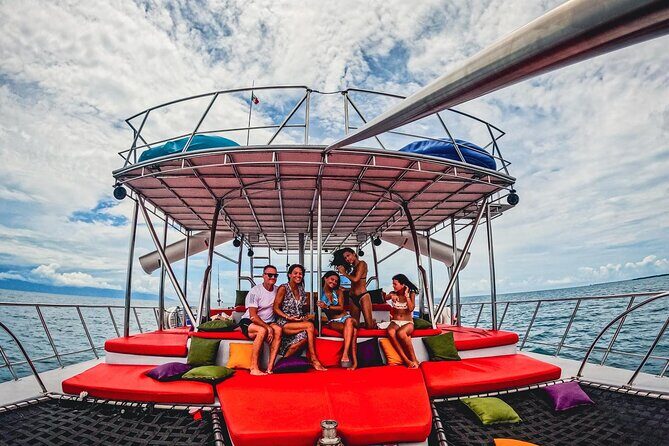
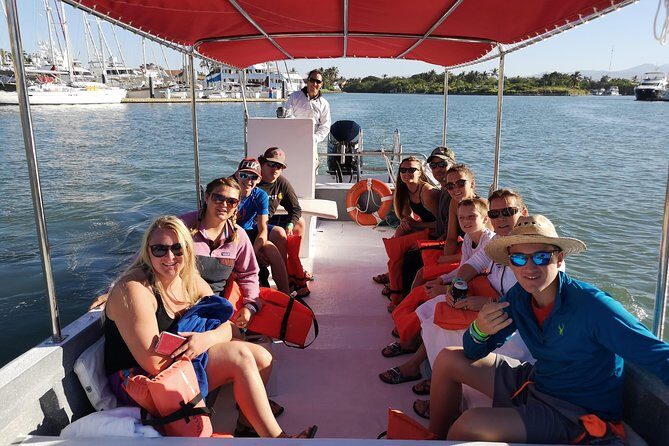
This tour is built around one main idea: you’re going out where whales are, in a way that lets you pay attention. The boat is designed to move quickly and efficiently, with shade, so you’re not stuck overheating while searching. When whales surface, it’s not just a distant pass—your guide focuses on what matters: behavior, spacing, and timing.
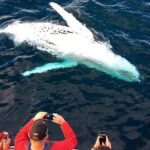
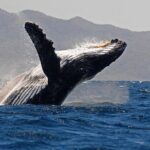
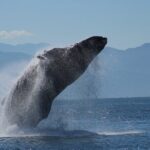
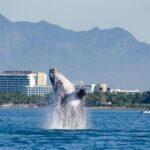
You’ll hear a lot about what humpback and gray whales do when they’re competing and nursing. In the experiences people describe, that includes males fighting or showing off and moms staying close to calves, including moments where the whales are right near the boat. That’s why the guide’s role matters: you’re learning how to read the scene instead of only looking for a quick breach.
One more thing: the tour emphasizes whale communication. With a hydrophone onboard, you can listen to calls and songs while you’re near the animals. It makes the encounter feel more like a conversation with wildlife than a photo mission.
You can also read our reviews of more whale watching tours in Puerto Vallarta
Price and value: is $99 a fair deal?
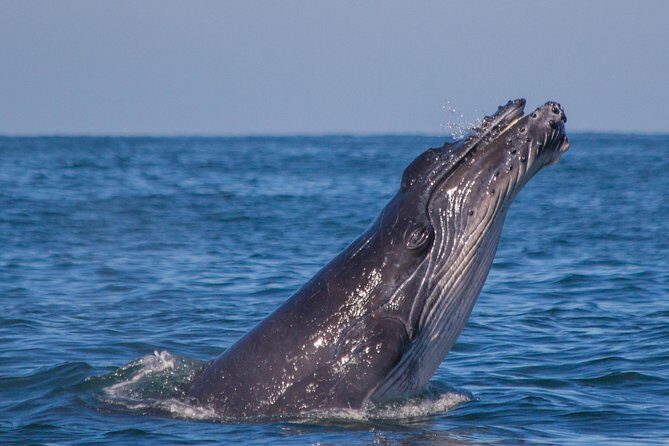
At $99 per person, you’re paying for a short, focused expedition that includes more than a generic whale-watch ticket. Based on what’s included, your price covers the boat time, snacks, life vest, hydrophone use, and the necessary whales permits, plus a conservation donation via wrist bands.
Then there’s the one cost that’s not included: a $6.00 government fee per person. In practice, you should plan for about $105 total before any extra spending.
What makes it feel like value is the mix of:
- close sightings in a small boat
- expert interpretation during the action
- whale-sound listening with the hydrophone
- conservation participation elements like photo ID / research projects
If you’re the type who hates tours that are mostly driving and waiting, this format is more your speed. The group size and specialized guide time are what you’re really buying.
Getting there: Marina Vallarta meeting point without the morning scramble
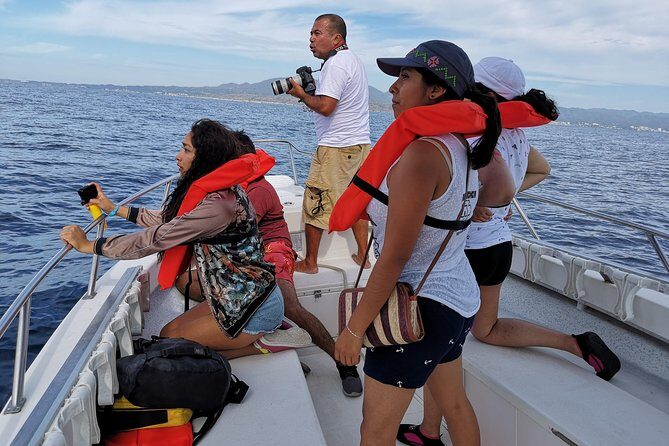
The tour meets at Tours Eco Explorer Vallarta, Proa 22, Marina Vallarta, 48335 Puerto Vallarta, Jal., Mexico. It’s near public transportation, which is handy if you’re not renting a car.
What I’d treat as non-negotiable is arriving early enough to handle paperwork. People specifically recommend getting there ahead of time so you can fill out what you need before boarding. And yes—you must bring an ID. The rule is clear: you need an ID at check-in or you won’t be allowed onboard.
A small but important detail: the tour allows a maximum of 10 travelers, which usually means you want to be on time. Once the boat fills and heads out, there’s no extra seat mercy.
Also note the age policy. Toddlers aren’t allowed on public tours, only private tours. If you’re traveling as a family, plan around that.
On the water: how the 3-hour experience flows
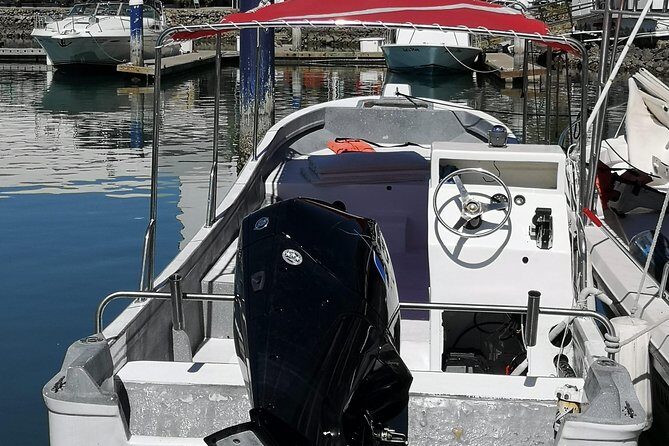
The trip runs about 3 hours. You’ll meet, get set, and then head out quickly in a fast boat. The vibe is active: this isn’t a slow cruise where you get one or two looks and hope for the best.
Here’s what you can expect to learn as the day unfolds:
Finding whales and reading behavior
The guide’s focus is on whale behavior, not just the sighting count. You’ll hear what males do when competing for females and how moms manage their calves. When whales show up, the guide explains what you’re seeing and why it matters—things like positioning, escort behavior, and the context around surface moments.
People describe watching close encounters that include males battling, plus mom-and-calf moments that feel almost like a guided lesson in whale family life.



Listening with the hydrophone
A standout included feature is the hydrophone. Instead of only relying on what you see at the surface, you can listen to whale sounds while you’re nearby. That turns whale watching into something more meaningful, especially if you’ve never experienced whale acoustics up close.
Even better: it helps you understand the “what now?” moments. When whales are around but not fully visible, sound can keep you engaged and oriented.
Quick snack break and steady pacing
You’ll have snacks onboard, including granola bars, fruit, juice, and drinking water. Alcohol isn’t provided because of whale legislation, so don’t plan on having drinks to pass the time.
The pacing tends to be driven by sightings. That’s why the tour can feel both exciting and practical: you’re not waiting around for long stretches without purpose.
Participating in photo ID / research
The tour includes a photo ID and research participation element tied to whale conservation. You might be asked to participate in ways that help identify individuals (the exact method isn’t detailed, but the intent is clear: supporting protections through identification and research).
If you care about wildlife conservation beyond “a nice memory,” this part gives your photos a bigger meaning.
Guides, accents, and real personalities on the boat
This excursion is built around a bilingual marine mammal expert guide, and the guide’s style can seriously shape your experience. In the names people share, you’ll see guides like Carlos and Rodrigo, plus marine-focused educators like Eric. Captains also get credited often, including Emilio and Andres/Andreas.
What shows up again and again in the feedback:
- the guides explain what you’re seeing in plain language
- they connect whale behavior to real-world biology
- they manage safety while still giving you chances to observe closely
- they keep things fun, not stiff classroom vibes
If you land with someone like Carlos or Rodrigo, you’ll likely get a story-driven experience with lots of “here’s why this matters” moments. It’s also worth appreciating the respect angle: the best sightings tend to happen when the captain and guide prioritize whale well-being and distance.
The animal checklist: whales plus other marine life
Whales are the headline, but this tour can deliver more than one kind of wildlife.
In the experiences people describe, sightings have included:
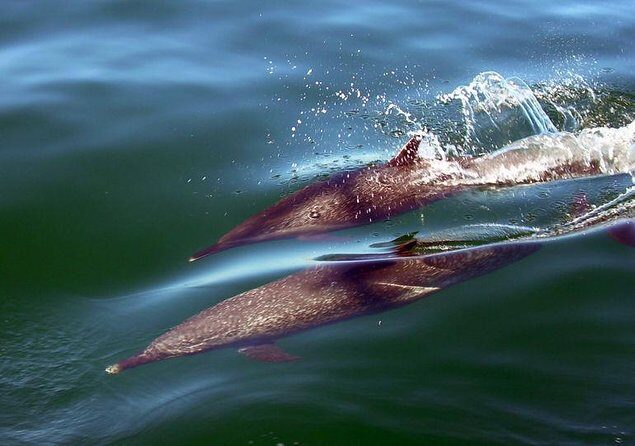
- dolphins, sometimes behaving playfully and acrobatically near the boat
- sea turtles
- blue-footed boobies (birds that circle and dive in the bay)
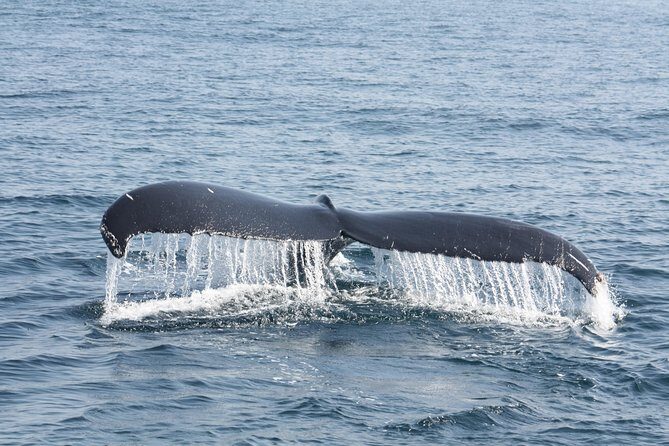
You may see multiple whale moments in one outing—people describe different encounters across the trip, including breaching and close tail and surface activity. That variety is one reason small-boat tours can feel more rewarding than big-boat churn.
Still, remember this is nature. Sometimes you get one strong session; other times you get several. What you’re really paying for is the guide’s ability to find and explain what’s there.
Why small-boat access matters (and the one seating tip)
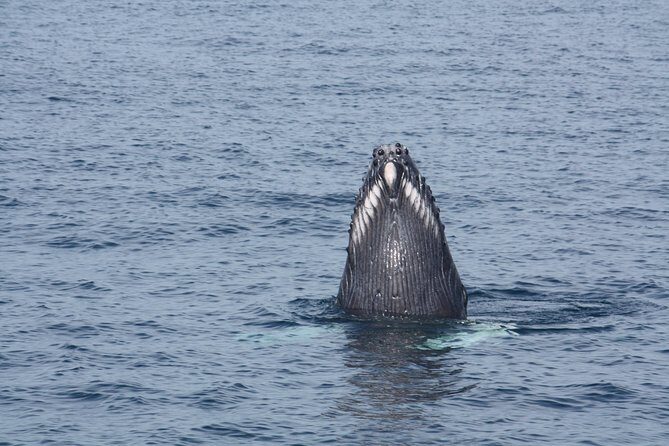
This tour caps at 10 people, and that affects everything. A smaller boat can maneuver quicker, position better, and stay closer when conditions allow. People mention how being in a smaller craft makes it easier to get a satisfying view without the chaos of a huge group.
There is one practical downside to consider: your side of the boat can matter. One person noted that the captain tended to pull up to whales on the same side, which meant they spent parts of the time looking through other people. Their suggestion was simple: if you’re with a group, consider sitting on different sides so everyone gets the best sight lines across multiple sightings.
It’s not a reason to avoid the tour—it’s a small strategy to improve your odds of great views.
What to pack: the “you will get wet” plan
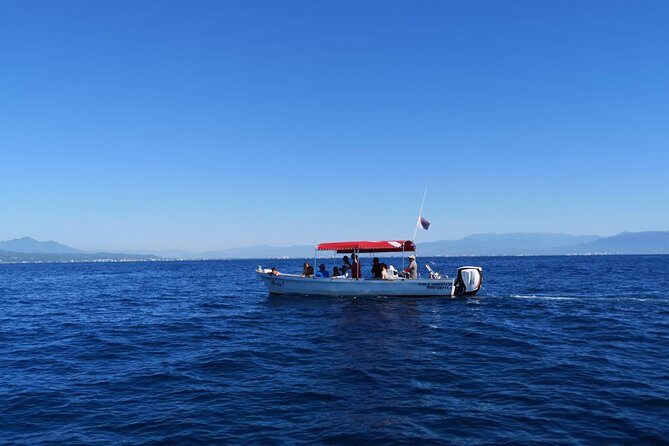
One of the most repeated bits of advice is that the ride can be very wet, especially on the way back. That’s not a minor detail. This boat is fast and close to the waterline, so expect spray.
I strongly suggest:
- a poncho or waterproof outer layer
- quick-dry clothing in your day bag
- shoes that can handle getting wet
You’ll have life vests, and the boat has shade, but water spray still finds its way into everything. If you come prepared, you’ll enjoy the sightings more because you’re not freezing and fuming about being soaked.
Weather, road chaos, and how flexible your plans should be
This experience needs good weather. If conditions are poor, you should expect the operator to offer another date or a full refund. The tour also depends on meeting a minimum number of travelers, with the same kind of workaround: another date/experience or a refund.
Now the human part: one negative review raises a concern about refund handling during a period when protests shut down a highway and transportation got disrupted. I can’t tell you how future situations will go, but it’s a reminder to keep your schedule flexible if you’re traveling during local unrest.
If you’re planning other tight tours the same day, build in buffer time. Whale timing is already nature-driven; adding travel disruption can make everything more stressful.
Who this tour is best for
This excursion is a good fit if you:
- want close whale experiences in a small group
- care about learning—biology, behavior, and conservation—not just the photo moment
- like being on the water for a short, focused outing (about 3 hours)
- prefer a bilingual guide and clear explanations while you watch wildlife
It’s also a solid choice for celebrations. People mention birthdays and small groups where the personalized boat size made the trip feel special without turning it into a formal event.
If you’re very sensitive to getting wet, you’ll want to pack carefully. If you need dry comfort above all else, choose a different style of tour.
Final verdict: should you book Whale Encounter Puerto Vallarta?
I’d book this tour if your goal is to see whales and understand them. The combination of hydrophone whale sounds, a marine mammal expert guide, conservation-minded research participation, and a small-boat group size makes the experience feel purposeful.
Skip it or at least think hard if:
- you can’t handle getting wet (bring real protection)
- you want alcohol onboard (it’s not provided)
- your schedule is extremely inflexible due to how nature and conditions can affect timing
For most people visiting Puerto Vallarta who want an active, educational whale outing, this is a strong choice—especially if you like the idea of listening to whale communication, not just watching surface behavior.
FAQ
How long is the whale encounter tour?
The experience runs for about 3 hours.
What is the cost, and what extra fee should I expect?
The price is $99 per person, and there is also a $6.00 government fee per person that is not included.
What’s included on the boat?
You’ll get snacks, hydrophone use, a life vest, whales government permits, and a conservation wrist band donation.
Do I need an ID to board?
Yes. You must show an ID at check-in, or you won’t be allowed to board the boat.
Are toddlers allowed on this tour?
Toddlers are not allowed on public tours; only private tours can include them.
What happens if weather is poor or the minimum number of people isn’t met?
The tour requires good weather. If it’s canceled for weather, you’ll be offered a different date or a full refund. If it doesn’t meet the minimum number of travelers, you’ll also be offered a different date/experience or a refund.