REVIEW · PUERTO VALLARTA
Whale and Dolphin Watching with a Biologist in Puerto Vallarta
Book on Viator →Operated by Wildlife Connection · Bookable on Viator
Whales sing, and you can hear them. This biologist-led cruise in Puerto Vallarta brings you face-to-face with winter humpback whales and the dolphins, turtles, and mantas that share the area, with a real focus on research. I especially love the chance to listen to whales underwater using a hydrophone and learn what you’re seeing in plain language.
I also like the small-group feel (max 20) and the way the crew works to keep you in good viewing positions while still respecting the animals. One drawback to plan around: it’s a 4-hour outing on the water, and there’s no bathroom onboard, so you’ll want to think ahead for comfort and timing.
In This Review
- Key things to know before you go
- Whale and Dolphin Watching with a Biologist in Puerto Vallarta: the experience that feels like science, not a show
- Why the biologist-led part matters (and how it changes what you’ll notice)
- What you’re most likely to see in winter: humpbacks plus a whole supporting cast
- The 4-hour flow: how the day usually plays out on the water
- The boat and crew setup: small group comfort plus real captain skills
- Citizen science: what your participation actually does
- How to improve your whale-spotting odds (without chasing the moment)
- Price and value: what $105 buys you in the real world
- Weather, timing, and the animal-search promise
- Comfort and practical tips that make the day easier
- Who should book this, and who should skip it
- Should you book this biologist-led whale and dolphin tour?
- FAQ
- How long is the whale and dolphin watching tour?
- Where do I meet for the tour in Puerto Vallarta?
- What does the tour cost?
- Is the tour offered in English, and is it led by a biologist?
- What animals can I see on this tour?
- How many people are on the boat?
- Is the tour suitable for pregnant people?
- Is there a bathroom on the boat?
- What happens if weather is poor or I need to cancel?
Key things to know before you go
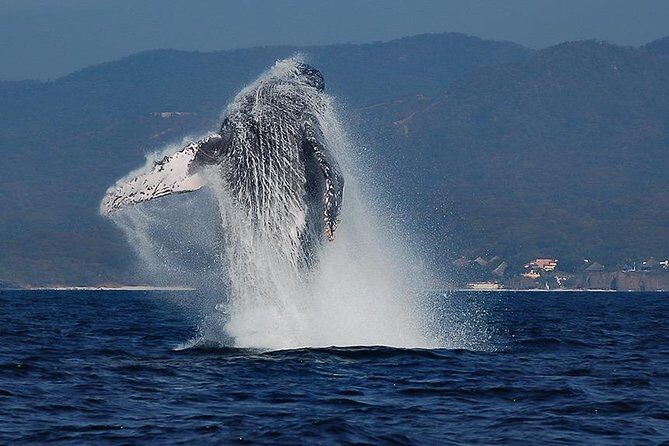
- Biologist-led science on the water: A cetacean specialist (with marine ecology credentials) guides what you’re seeing and helps you participate in their research.
- Hydrophone whale songs: You may get to hear underwater vocalizations during the cruise.
- Small group viewing (max 20): You’re less likely to feel packed in, and the captain can position the boat for better sightings.
- More than whales: Expect a mix that can include multiple dolphin species, sea turtles, giant mantas, and even seabirds like blue-footed boobies.
- Animal timing is real: Sightings depend on conditions and the animals’ behavior, not a scripted schedule.
- No bathroom on the boat: Plan for a short water break, not a full comfort stop.
Whale and Dolphin Watching with a Biologist in Puerto Vallarta: the experience that feels like science, not a show
If you’ve ever watched a nature documentary and thought, I want that in real life, this is the kind of outing that scratches that itch. In Puerto Vallarta’s winter season, humpback whales move into the bay area to mate and give birth. The tour company builds the experience around that real migration timing, but the difference is the guide: a biologist who can translate whale behavior into something you can actually understand and watch for.
What makes it especially worth your attention is that it’s not just spotting animals. You’re also joining a citizen-science research project. In other words, you’re not passive. You’re part of the data-gathering that helps researchers better protect these animals.
You can also read our reviews of more whale watching tours in Puerto Vallarta
Why the biologist-led part matters (and how it changes what you’ll notice)
A good whale watch can be fun even if you don’t know anything about marine life. But a biologist-led tour changes what you pay attention to once you’re on the water.
Here’s what you get with this one:
- The guide explains behavior, not just species names.
- You learn what whale actions often mean during the breeding and parenting season.
- You hear whale vocalizations through a hydrophone, which turns distant activity into something more understandable.
You’ll also hear real-world context from the crew. Guides mentioned in recent tours include Camila, Jemma/Gemma, and Jama (spelling varies by participant). The captain names you might hear onboard include Jorge and Cesar. Even if you don’t remember the names, you’ll feel the rhythm: find whales, position responsibly, then slow down long enough for you to actually see what’s happening.
What you’re most likely to see in winter: humpbacks plus a whole supporting cast
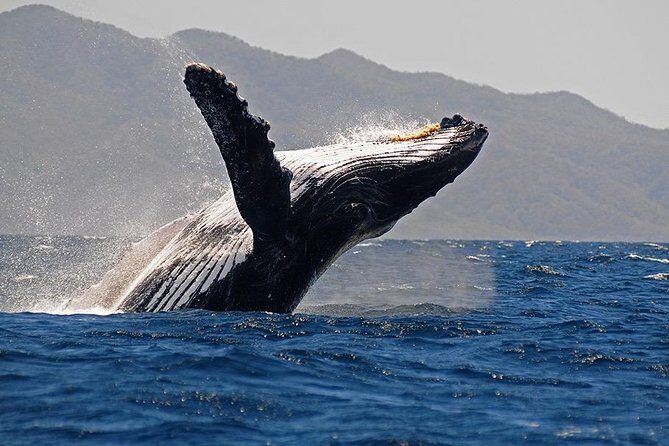
Winter in Puerto Vallarta is prime time for humpback whales. On this tour, you’re specifically looking for the whales that arrive to mate and give birth. That means you’re not just scanning for a whale-shaped dot. You’re hoping to catch the patterns that show up when mothers are nearby and when groups of males are competing and communicating.
Here’s what the tour can include:
- Humpback whales (including mothers and calves, and males in different behavioral modes)
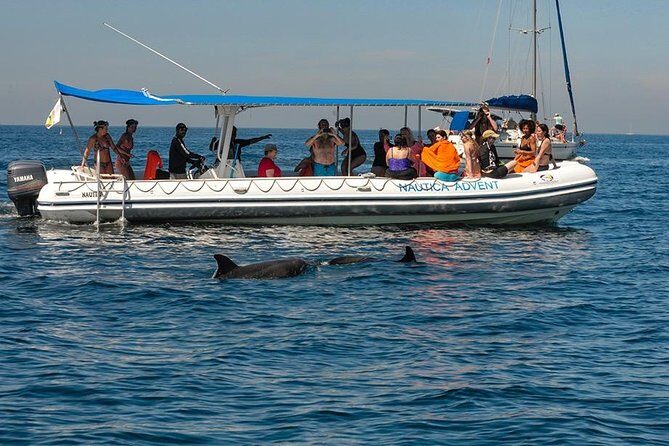
- Multiple dolphin species such as bottlenose, spotted, spinner, and rough-toothed dolphins
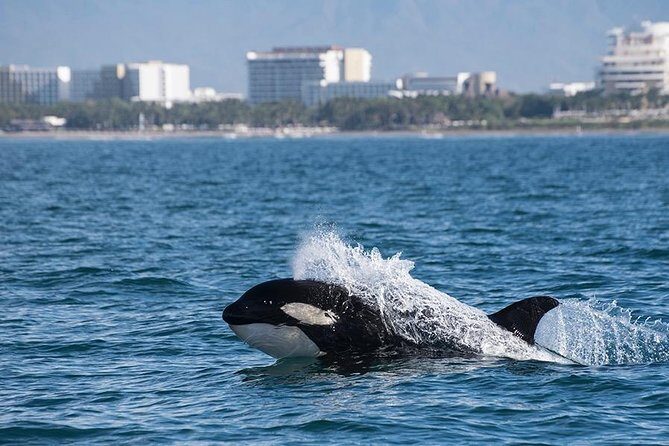
- With luck: orcas or false orcas
- Giant mantas
- Marine turtles
On top of that, one of the joys of this particular kind of boat outing is the bonus wildlife that appears when the sea decides to cooperate. Blue-footed boobies have shown up for some trips, and you may see other seabirds flying overhead while the whales surface.
Important reality check: there isn’t a guarantee of exactly which animals, on exactly which timeline. Whales move. The ocean moves. The crew’s job is to respond fast and keep you where the action is—without pushing animals around.
The 4-hour flow: how the day usually plays out on the water
This tour runs about 4 hours, and the pacing tends to be straightforward. The goal is to get you out there, locate active animal areas, and spend focused time watching rather than crisscrossing endlessly.
A typical rhythm looks like this:
1) Start on land with an intro
You may have a brief educational moment before you set out. Some groups report hands-on learning, like touching whale baleen and seeing how large parts of whale anatomy can be. Even when it’s not hands-on, the intent is the same: help you know what to look for once you’re afloat.
2) Cruise out and watch for first whale activity
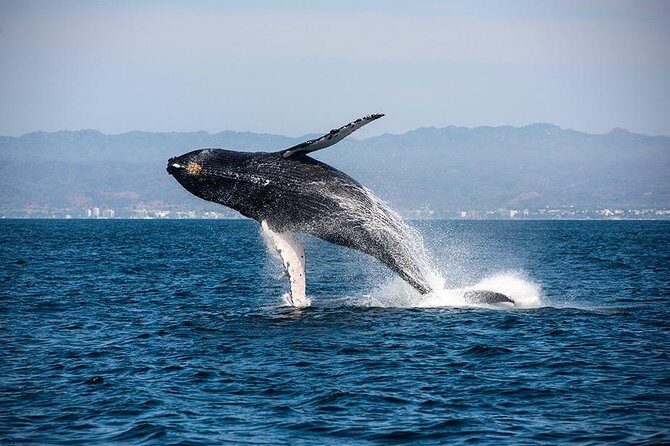
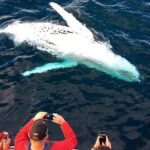
Many trips start producing sightings quickly—sometimes within roughly twenty minutes of launching. When the whales are close and active, you’ll see behavior that includes breaching, surfacing, and group interactions. The captain positions the boat for the best viewing angles while keeping distance.
3) Time with mothers, calves, and communication behavior
One of the highlights for many people is watching a mother whale with her calf. You’re learning while you watch: how whales surface, how they move together, and what different behaviors can signal during this season.
4) Hydrophone moments and dolphin viewing
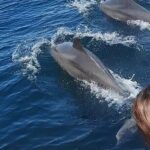
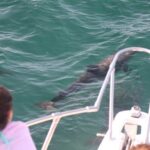
Guides often use a hydrophone to share whale vocalizations. After whale time, dolphins can show up as a separate “chapter” of the trip—sometimes swimming with whales, sometimes moving through their own lanes in the bay.
5) Head back
The tour finishes back at the meeting point. You’re usually back with enough time in your day to grab a late lunch, but you should still treat this as a real boat outing, not a quick hop.
One more comfort note: the boat type and layout help. Participants describe a covered boat that feels practical in the sun and wind, plus a small-group setup that makes it easier to shift positions for viewing.
The boat and crew setup: small group comfort plus real captain skills
A lot of whale-watching trips live in the same problem: too many people, not enough room to see. This one has a maximum of 20 travelers, and the feeling on the water tends to be more like a working research day than a cattle call.
People also mention:
- A covered vessel, which is a big deal when the sea gets breezy
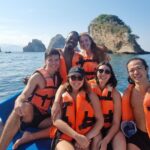
- Easy boarding with life jackets
- A captain who actively maneuvers to reach good viewing areas while keeping respectful distance
Jorge and Cesar are names that come up as captains, and multiple participants praised how safe and smooth the ride felt—even when conditions were windy. That safety competence matters because whale watching is partly about positioning and partly about staying calm while the boat shifts to match whale movement.
You can also read our reviews of more dolphin watching tours in Puerto Vallarta
Citizen science: what your participation actually does
This tour is built around research programs with whales and dolphins. During the cruise, the guide shares what their projects are trying to learn, and your participation helps make the research possible.
I like this approach because it turns “we saw whales” into something more meaningful. You’re still out for an unforgettable day on the water, but you’re also getting a sense of why the animals are being studied—how behavior data supports protection.
If you care about wildlife conservation, this is the kind of tour that lets you feel useful, not just entertained. Just keep your brain on during the viewing windows. When the guide asks you to observe certain details, it’s usually because those details matter.
How to improve your whale-spotting odds (without chasing the moment)
There’s no way to force whales to appear. But you can improve what you catch when the crew finds them.
Use this simple strategy:
- Listen and watch for the guide’s cues. A biologist can point out what behavior to look for before it happens.
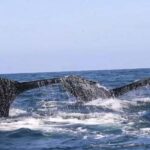
- Be ready when they say it’s time. Many of the best moments are short: a breach, a fluke-up surface, a mother/calf interaction.
- Stay flexible with your seat position. People report great viewing opportunities when they’re willing to move to a better angle during surfacing.
Also, remember that the crew’s job includes staying within responsible distance rules. You might get close views, but the captain’s focus is not to crowd the animals. When the guide positions the boat behind active whale areas, you’ll often get the best viewing without frantic movement.
If you want whale-song audio, take it seriously when the hydrophone comes out. That’s one of the easiest ways to make the experience feel like more than sightseeing.
Price and value: what $105 buys you in the real world
At $105 per person for about four hours, this tour sits in the category of “worth planning for” rather than “cheap and cheerful.”
Here’s the value logic I see:
- You’re paying for a biologist-led experience, not just a guide who can point.
- You get a small-group setup (max 20), which directly affects viewing quality and comfort.
- You get citizen-science participation, meaning your observations are part of the bigger picture.
- You’re not only hunting whales. Dolphins, mantas, and turtles are part of the mix when conditions allow.
What could change the value for you?
- Weather matters. If conditions limit sightings or movement, the day may run differently.
- There’s no bathroom onboard, which can make long days on the water less pleasant if you’re easily uncomfortable.
- Tips might be part of the culture. Some participants recommend bringing cash for tips.
Overall, if you want a Puerto Vallarta whale watch that’s guided with context and backed by actual marine science, the price starts to make sense fast.
Weather, timing, and the animal-search promise
This experience requires good weather. If weather prevents the tour from running as expected, you’re offered a different date or a full refund. There’s also a minimum traveler requirement, and if that minimum isn’t met you’ll be offered another option or a full refund.
One interesting claim from the tour materials: the operator says they’re able to guarantee animal-finding, and if they can’t find them, you get your money back. I can’t personally verify the outcome of every trip, but it does tell you they’re treating the search as a serious goal, not just a hope.
In practice, treat this like a wildlife activity. The animals set the pace. Your job is to show up ready, listen to the guide, and accept that the sea can be unpredictable.
Comfort and practical tips that make the day easier
Here’s what I’d do to make this trip smooth:
- Wear sun protection. Even with a covered boat, you’ll still be exposed between viewing changes.
- Bring layers. Water breezes can swing temperatures during a 4-hour window.
- Bring a small cash amount for tips, since people have specifically mentioned this.
- Plan for no bathroom onboard. Go before you arrive and limit drinks right before you head out.
- If you’re prone to motion sickness, consider taking something in advance. The boat experience depends on sea conditions.
One health note from the tour details: it’s not recommended for people more than 7 months pregnant. If you’re near that threshold, I’d take that seriously and ask questions before booking.
Who should book this, and who should skip it
This tour is a great fit if you want:
- Puerto Vallarta whale watching with a marine biologist who can explain what’s happening
- A realistic chance at seeing humpbacks plus dolphins, mantas, turtles, and sometimes orca/false orca
- A small group experience where you can move for better viewing angles
- A meaningful way to connect with wildlife protection through citizen science
It’s less ideal if:
- You need easy onboard bathroom access (there isn’t one)
- You’re very sensitive to boat movement
- You’re more than 7 months pregnant (not recommended)
Should you book this biologist-led whale and dolphin tour?
Book it if you’re the type of person who wants more than a quick sighting. The hydrophone whale-song moments, the biologist-led explanations, and the chance to join a research project make this feel like wildlife viewing with purpose. With a max group size of 20 and a boat setup that helps you see, the day is built for real observation.
Skip or reconsider if comfort logistics are your top priority, especially the lack of a bathroom onboard, or if you don’t feel good about spending a full four hours on the water. And always plan your day around weather: you’re buying an ocean experience, not a controlled schedule.
If you can handle that, this is one of the strongest ways to experience Puerto Vallarta’s whale season.
FAQ
How long is the whale and dolphin watching tour?
It’s about 4 hours (approximately).
Where do I meet for the tour in Puerto Vallarta?
You meet at Opequimar Centro Marino, Av. Paseo de la Marina Sur 214, Marina Vallarta, 48450 Puerto Vallarta, Jal., Mexico.
What does the tour cost?
The price is $105.00 per person.
Is the tour offered in English, and is it led by a biologist?
Yes. The tour is offered in English and it is led by a biologist specializing in cetaceans.
What animals can I see on this tour?
You may see humpback whales, dolphins (including bottlenose, spotted, spinner, and rough-toothed), turtles, and giant mantas. With luck, orcas or false orcas may appear.
How many people are on the boat?
This activity has a maximum of 20 travelers.
Is the tour suitable for pregnant people?
It is not recommended for people more than 7 months pregnant.
Is there a bathroom on the boat?
No bathroom is available on the boat.
What happens if weather is poor or I need to cancel?
The experience requires good weather. If it’s canceled due to poor weather, you’ll be offered a different date or a full refund. If you cancel, free cancellation is available up to 24 hours before the start time for a full refund.