REVIEW · PUERTO VALLARTA
Watch and Swim with Dolphins in the Wild
Book on Viator →Operated by Wildlife Connection · Bookable on Viator
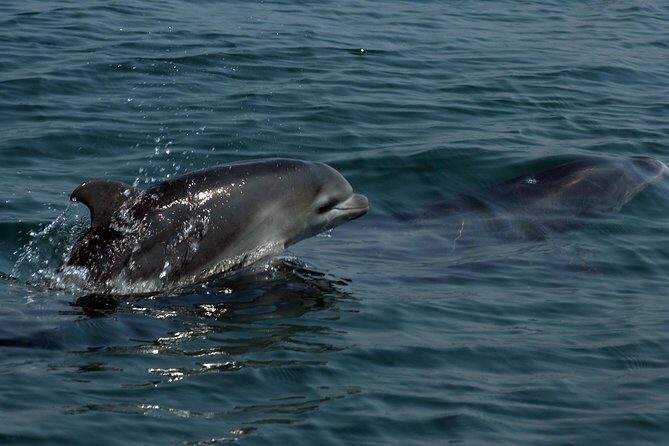
Wild dolphins are hard to predict, which is the point. This half-day tour in Puerto Vallarta uses a hydrophone to find bottlenose dolphins by their sounds, then (when conditions and dolphin interest line up) you swim right alongside them in open water. I love the biologist guidance and the calm, science-first approach that treats dolphins like wild neighbors, not show props.
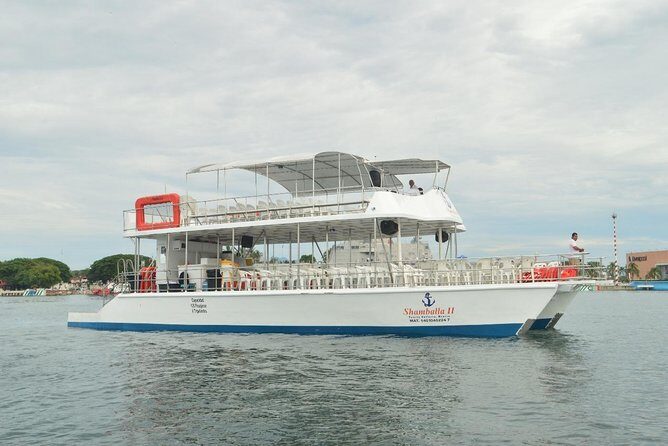
The main thing to plan for is flexibility: swimming depends on the dolphins that show up and what they choose to do. You’ll head out at 9:00am from Marina Vallarta, but if the dolphins aren’t in the mood, you may do more watching than swimming. Also note it’s not recommended for people more than 7 months pregnant, since this is an active boat-and-water outing.
In This Review
- Key things to know before you go
- Dolphin-in-the-wild energy: what the hydrophone hunt really changes
- Marina Vallarta start at 9:00am: the quick education that sets expectations
- Cruising and searching: how the biologist-guided boat time works
- Swimming with dolphins: small-group rotations and the reality of wild behavior
- Wildlife bonuses: turtles, rays, and the whale-song moments
- What to bring for a 3.5-hour sea outing (and what’s already covered)
- Price and value: what $105 buys you beyond the dolphin photos
- Ethics and research: dolphins stay wild, and the crew respects that
- Who should book this dolphin swim (and who might pass)
- Should you book this Watch and Swim with Dolphins in the Wild?
- FAQ
- What time does the dolphin tour start, and how long is it?
- Where do I meet the tour?
- Is the tour offered in English, and is there a mobile ticket?
- What snorkeling items and drinks are included?
- Are snacks included?
- How big are the groups?
Key things to know before you go
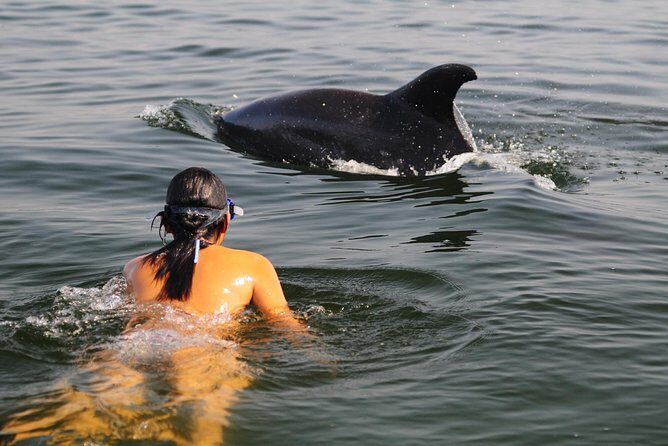
- Hydrophone dolphin search: you’re not just cruising hoping for luck; you’re locating dolphins by what they’re already saying underwater.
- Small group, max 20: it stays personal enough that guides can help everyone spot dolphins and manage the in-water rotation.
- Swim only if the dolphins allow it: some pods interact more; others keep their distance, and the crew reads that fast.
- Multiple chances to go in the water: the format is set up so more people get time in, rather than everyone watching from the boat.
- Real wildlife, not captivity: the whole day is built around seeing dolphins in their natural behavior, plus possible sea turtles and rays.
Dolphin-in-the-wild energy: what the hydrophone hunt really changes
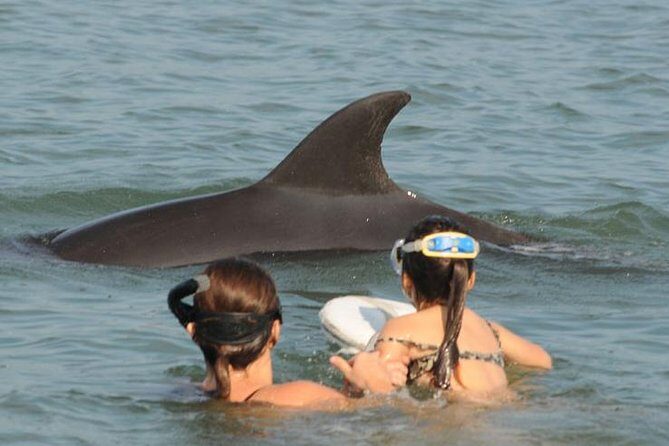
The coolest part of this tour isn’t the word swim. It’s the way the day starts underwater, with a hydrophone and a biologist guiding your hunt. Instead of relying only on eyes over the bow, the crew uses dolphin sounds to help pinpoint pods, which makes the experience feel more like wildlife research than a sightseeing loop.
Once dolphins are located, you cruise with purpose through Puerto Vallarta’s waters (the Bay of Banderas area). This is where your guide’s focus matters. When the biologist can explain what you’re hearing and what behavior to look for, you stop thinking like a tourist with a checklist and start reading the ocean like a living place.
And because dolphins are wild, the encounter rhythm is their call. Some pods may approach curiously, some may be feeding or moving through fast, and sometimes they’ll show up nearby but not engage the way you hope. That’s not a flaw in the tour. It’s the whole point of being out there.
You can also read our reviews of more dolphin watching tours in Puerto Vallarta
Marina Vallarta start at 9:00am: the quick education that sets expectations
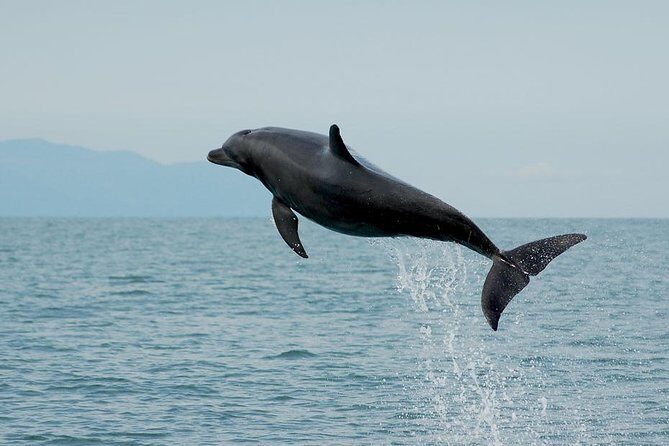
You meet in Marina Vallarta at Opequimar Centro Marino on Av. Paseo de la Marina Sur 214 (48450). The tour starts at 9:00am, so build in time to arrive early enough to catch the briefing.
A big theme in the experience is that you get a short educational session before you ever get in the water. Guides like Camilla and Gema (biologists noted on the tour) are often praised for a friendly, clear talk that covers dolphin and whale basics, plus safety. You’ll also hear how wild animals behave and why the crew won’t force contact.
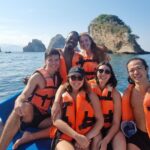
From there, you hop onto the boat with your small group. Snorkeling gear is included, and you’re provided bottled water and soda/pop (no alcohol beverages). This matters because it keeps the day simple: you’re not scrambling for supplies once you’re on the water.
One more practical point: arrive on time. The talk is part of how the day makes sense. If you miss it, you lose the “why” behind what happens next.
Cruising and searching: how the biologist-guided boat time works
You’re on the water for about 3 hours 30 minutes total, and the pacing is built around finding the right dolphin pod, not just traveling from one scenic spot to another. Expect a mix of cruising, scanning, and repositioning as conditions and dolphin movement change.
The hydrophone search helps, but you still get real ocean time. That means you might spot dolphins jumping behind the boat, or you might see more subtle surfacing and then need to follow the crew’s directions. Guides help you locate dolphins quickly, including pointing them out as they surface, and that makes a huge difference for first-timers who don’t yet know what to look for.
Wildlife encounters can also include surprise bonuses. On some outings, the captain has been reported stopping the boat to watch other marine life such as whales and calves when they appear nearby. That’s a nice reminder that the day isn’t only about one species; it’s about the whole marine community in motion.
Also, remember the tour’s promise is about wildlife presence. You’re not guaranteed dolphins to “perform.” You’re looking for animals to show up, and this tour includes a money-back guarantee on encountering animals.
Swimming with dolphins: small-group rotations and the reality of wild behavior
When swimming is offered, it’s because the dolphins are acting interested enough to allow it. The tour is clear that swimming depends on conditions and dolphin behavior, and that’s exactly what you should expect. It’s not a dolphin show where the animals are trained to cooperate.
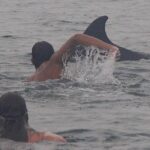
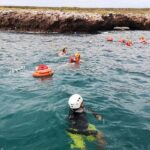
The in-water time is typically organized to keep things safe and manageable. Many guests report going in in small groups (often described as rotations like groups of four), then swapping so everyone gets a chance. When dolphins are curious, you can get time close enough to feel that surreal connection people describe as arms-length. When dolphins aren’t engaging, you may still have a great experience by watching from the boat and waiting for a better moment.
A few details that help you get the most out of the swim portion:
- Wear a bathing suit under your clothes so you can jump in quickly when the call comes.
- Bring comfort for getting on and off the boat, since it’s not a long, cushy beach setup.
- Use the snorkel mask well. One review specifically praised how the mask helped them move around confidently in the water while dolphins came near.
- Don’t plan on touching dolphins. In the wild, the crew emphasizes respect and keeping a safe distance.
If you’re a strong swimmer, you’ll likely feel more confident once you’re in the water. Some guests noted the experience suits many ages and fitness levels, but open-water comfort helps. If you’re unsure, focus on the watching part—there’s still a lot to see without going in.
And yes, sometimes you’ll get a brief swim window and sometimes more than one rotation. Since the dolphins choose their own pace, you get the best results when you go in expecting “time with wild dolphins,” not “time on demand with a captive animal.”
Wildlife bonuses: turtles, rays, and the whale-song moments
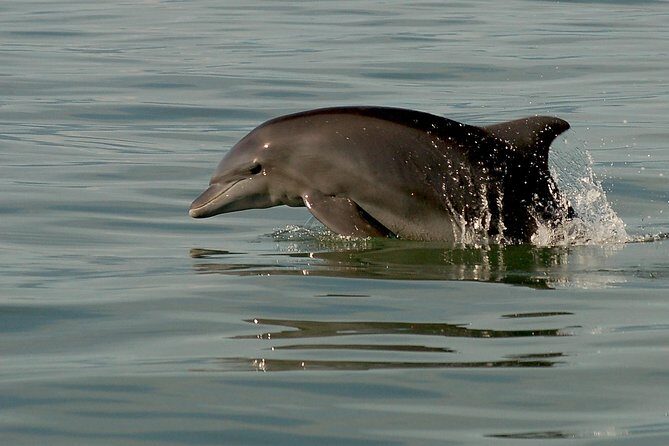
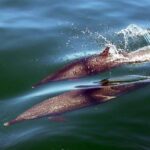
Even though the star is bottlenose dolphins, the tour is set up to look broadly at marine life. As you cruise and search, keep an eye out for sea turtles and rays, and you might also spot other wildlife that’s sharing the area.
The most memorable bonuses mentioned include whales. Several reports describe seeing humpback whales, including a mama whale and her calf, and the crew stopping to watch them. One guest even mentioned hearing a nearby whale song, which is the kind of detail you only get when you’re close enough for sound to matter.
Here’s the practical takeaway: stay alert and listen when the guide calls something out. Dolphins can surface quickly and then vanish, and whales may show up in a different pattern. When you’re out there, your job is simple—watch, breathe, and follow instructions.



What to bring for a 3.5-hour sea outing (and what’s already covered)
This is a half-day adventure, so you don’t need a weekender bag. But you do want to be ready for a boat morning where the timing can shift based on wildlife behavior.
Included:
- Snorkeling equipment
- Bottled water
- Soda/pop (no alcohol beverages)
Not included:
- Snacks, including granola bars/small snack
What I’d bring:
- A towel and a quick-dry layer for after the water time
- Sunscreen and sunglasses
- A dry bag for your phone (and something to protect cameras)
- A small snack you can eat before you’re out there, since the tour doesn’t include food
One surprisingly useful tip from the experience: if you want lots of photos, plan for phone power. A review suggested bringing extra battery capacity, even mentioning taking two phone batteries.
And one more simple comfort note: the boat day means sun, wind, and salt spray. Dress like you’ll be outside the whole time—because you are.
Price and value: what $105 buys you beyond the dolphin photos
At $105 per person for about 3.5 hours, the price is in line with a guided wildlife outing that includes specialized gear and expert leadership. What makes it feel like good value is that you’re not paying for a passive viewing experience.
You’re paying for:
- A biologist-led hunt (including hydrophone dolphin locating)
- Snorkeling equipment
- A small-group format (max 20)
- The chance to swim with wild dolphins when they cooperate
- A money-back guarantee on encountering animals
The ethics also matter. Many guests specifically liked that this is not about captivity. You’re supporting a wildlife-first approach, and that changes the whole emotional tone of the day. Instead of feeling like you’re watching animals do tricks, you feel like you’re learning their world in real time.
Also, it’s a popular activity in the area. Planning ahead helps. If you’re flexible in your schedule, you’ll often have an easier time picking a day that has good conditions and dolphin activity.
Ethics and research: dolphins stay wild, and the crew respects that
The best dolphin encounters don’t try to control dolphins. This tour is built around that idea. Guides are often praised for a passion for dolphin welfare and for teaching guests how to read dolphin behavior without pushing the animals.
A key operational point from the tour’s own approach: the operators say they do not use food or artificial sound devices to lure dolphins closer. That matters because it supports natural behavior. When dolphins approach, it’s because they’re choosing you, not because the crew is manufacturing the situation.
You can also tell when the crew is paying attention to dolphin comfort. In reports, the biologist has been described as recognizing when dolphins are ready for interaction and when they’re not, then adjusting plans fast. That’s the difference between an encounter that feels respectful and one that feels like pressure.
So even if swimming isn’t possible on a given day, you’re still participating in a wildlife-focused experience. You’re learning, observing, and helping support ongoing marine ecology research efforts tied to the encounter.
Who should book this dolphin swim (and who might pass)
This tour fits best if you want a wild encounter where the animals stay free and the schedule follows their behavior. It’s also a great pick if you like learning. The education portion is part of the value, and guides such as Camilla and Gema are often singled out for making marine life feel understandable and meaningful.
It’s also family-friendly in the sense that guests report children joining and having a memorable time. One guest mentioned an adventurous 6-year-old and another mentioned an 11-year-old granddaughter. Kids can love it, especially if they enjoy being outdoors and listening for wildlife sightings.
That said, there are limits you should respect:
- It’s not recommended for people more than 7 months pregnant.
- Most people can participate, but you should be prepared to get in the water when invited and to swim in open water conditions.
- If you’re expecting guaranteed dolphin interaction every minute, this isn’t that kind of experience. Wild animals set the terms.
If you want a controlled, guaranteed “swim with dolphins” factory-style day, you’ll likely feel disappointed here. If you want the real thing—unpredictable, honest, and respectful—you’ll probably feel like you hit the jackpot.
Should you book this Watch and Swim with Dolphins in the Wild?
I’d book it if you care about two things: wild ethics and guided wildlife observation. The hydrophone search, the biologist briefing, the small-group structure, and the chance to swim when dolphins choose to interact all point to a higher-quality experience than typical “maybe you’ll see dolphins” tours.
I’d hesitate if you’re uncomfortable with open-water swimming or if you need the swimming portion to be guaranteed. Even with the best crew and careful searching, this is still nature. Dolphins sometimes engage, sometimes they don’t, and your day should be planned around watching and learning first, with swimming as the bonus.
If your plan includes Puerto Vallarta and you want an encounter you’ll remember for years, this is one of the strongest bets in the category.
FAQ
What time does the dolphin tour start, and how long is it?
The tour starts at 9:00am and runs for about 3 hours 30 minutes.
Where do I meet the tour?
You meet at Opequimar Centro Marino, Av. Paseo de la Marina Sur 214, Marina Vallarta, 48450 Puerto Vallarta, Jal., Mexico. The activity ends back at the meeting point.
Is the tour offered in English, and is there a mobile ticket?
Yes. The tour is offered in English, and you receive a mobile ticket.
What snorkeling items and drinks are included?
Snorkeling equipment is included, along with bottled water and soda/pop (no alcohol beverages).
Are snacks included?
No. Snacks are not included (including granola bars or a small snack).
How big are the groups?
There is a maximum of 20 travelers.