REVIEW · PUERTO VALLARTA
3 Hours of Whale Watching in Puerto Vallarta
Book on Viator →Operated by Travel Vallarta · Bookable on Viator
Whale watching here is part sprint, part patience. On a 3-hour boat ride from Puerto Vallarta, you head out toward Nayarit, scan the Bay of Banderas, and (if conditions cooperate) settle in for respectful whale viewing. It’s a straightforward trip built around time on the water, not a long bus tour.
Two things I like a lot: you’re provided a lifevest, and you sail with a whale guide who’s focused on finding whales and keeping you at a safe viewing distance. That combination makes the experience feel easier and more guided than you’d expect for the price.
One possible drawback to weigh: this is on a small boat, and sun plus salt spray can be a real thing, with results that depend on whale location. Also, the trip length doesn’t always match the 3-hour promise in every situation.
In This Review
- Key Highlights You’ll Care About
- Quick Look: What This Puerto Vallarta Whale Trip Really Is
- Meeting at Los Peines: Getting Sorted Without Drama
- Boarding and Lifevest Time: Small-Boat Reality Check
- The Whale Search Pattern: Toward Nayarit, Inside the Bay
- Bay of Banderas Viewing: What You’ll Notice On the Water
- The Comfort Factor: Sun, Spray, and Seating You Can Feel
- Language and the Whale Guide: Helpful, But Not Uniform
- Price and Port Fees: Is $55 Worth It?
- When It Works: Los Arcos, Beach Time, and Walking
- Who Should Book This Whale Watching Trip?
- Should You Book This Whale Watching Trip?
- FAQ
- How long is the whale watching trip?
- What’s included in the price?
- Is there a port tax?
- Where does the tour start and end?
- Is the tour offered in English?
- How large is the group?
Key Highlights You’ll Care About
- Small-group outing (max 18 travelers) that keeps things manageable on deck
- Lifevest + bottled water + whale guide included, so you’re not scrambling for basics
- Inside-the-bay viewing ethic, with whales given space once you spot them
- Port tax $39 pesos on your own unless you’re on a cruise (then no port tax)
- Limited shade and salt spray can make comfort hit or miss on hot days
Quick Look: What This Puerto Vallarta Whale Trip Really Is
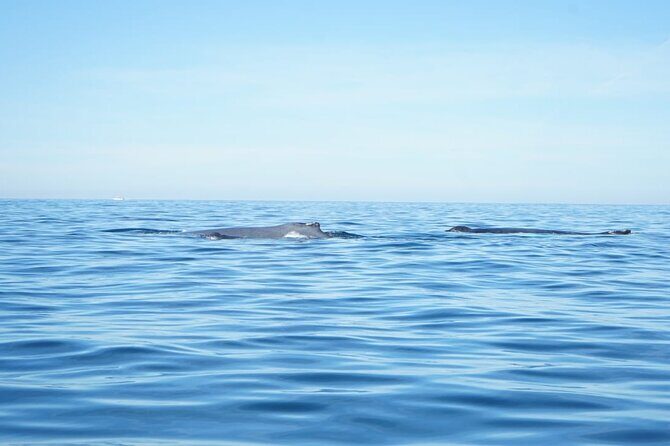
This whale watching trip is built for a simple goal: get you out on the water fast and spend your time scanning the bay rather than dragging you through extra stops.
You’ll meet at Los Peines, Isla Iguana (48335 Puerto Vallarta), then board the boat after you get your vest. From there, the plan is to head out toward Nayarit in search of whales, staying inside the bay and giving animals space once sightings start. When the search cycle finishes, you return back to the starting point.
What I find especially practical here is the “no-nonsense” structure. You’re paying for a focused chunk of time on the water with a guide who’s tasked with finding whales and managing safety and distance.
The only catch is that whale watching is never guaranteed. One trip might feel like a win; another might feel like a long ride. The good news: a lot of departures do deliver sightings, including close-up moments in some cases.
You can also read our reviews of more whale watching tours in Puerto Vallarta
Meeting at Los Peines: Getting Sorted Without Drama
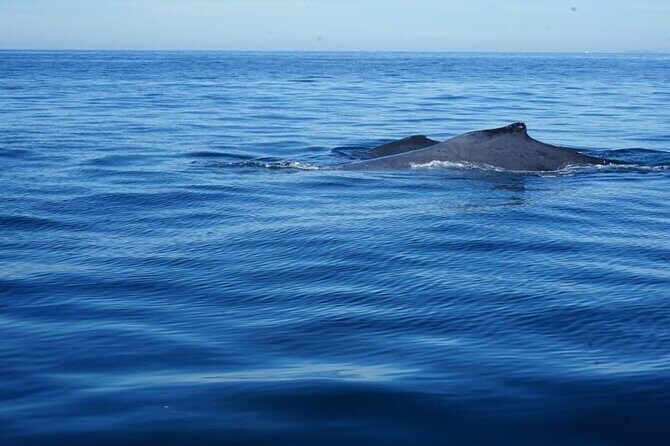
The meeting point is clearly stated: Los Peines, Isla Iguana in Puerto Vallarta, and the activity ends back there.
In real life, the biggest stress on whale tours is arriving on time—because once the boat leaves, there’s no second chance. One helpful detail from the way this operates is that they try to adapt if your timing gets thrown off (for example, a cruise docking late situation). In that case, you may get transferred to a smaller boat so you can still go out.
Also note the tour uses a mobile ticket, and the tour is offered in English. That matters for comfort because whale watching is more than spotting; it’s understanding what you’re seeing. Still, English support can vary by boat and guide.
Bottom line: if you’re on a cruise, plan extra buffer time getting from the ship to Los Peines. If you’re local, show up a bit early so you don’t end up rushing into lifevest mode.
Boarding and Lifevest Time: Small-Boat Reality Check
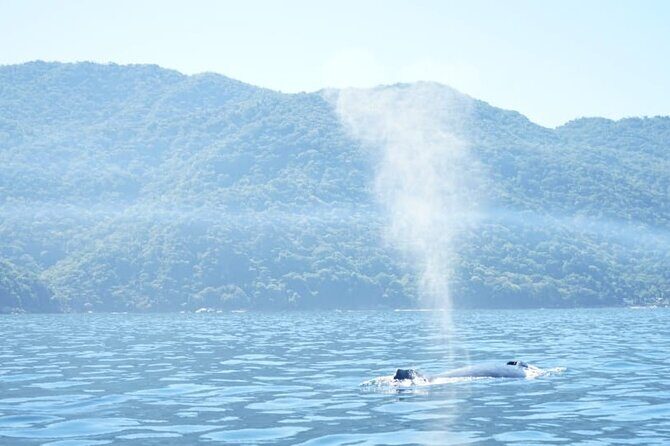
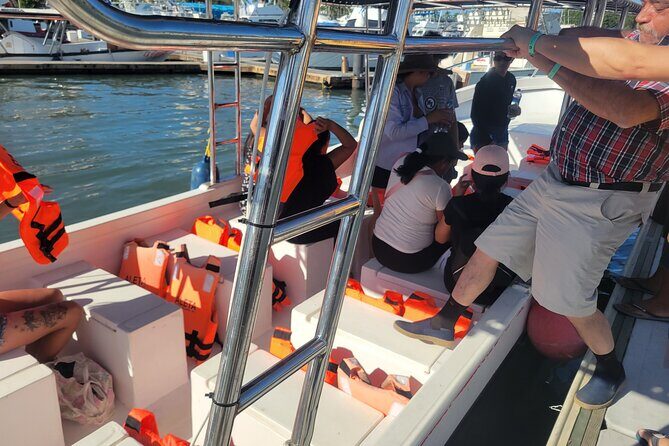
As soon as you meet in the lobby, you board the boat, put on your lifevest, and then head out. The lifevest is included, along with bottled water and a whale guide.
What that means for you: you can travel lighter. You don’t need to bring a vest or hunt down water right before departure. For many people, that alone makes the trip feel like good value.
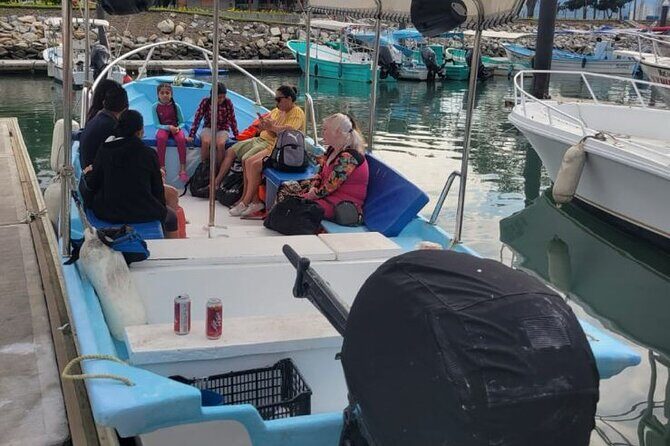
It also hints at something you should plan around: this is not a big, shaded cruise ship setup. Some boats run small (pangas are mentioned in feedback), which affects comfort.
So here’s my practical advice:
- Expect sun and limited shade.
- Expect salt spray at times.
- If you’re sensitive to heat, go in thinking you’ll need sun protection and a plan for getting wet.
The Whale Search Pattern: Toward Nayarit, Inside the Bay
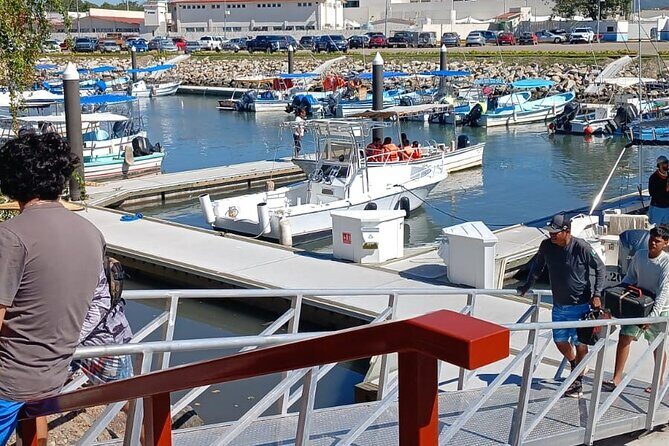
After leaving the marina, the boat heads toward Nayarit to search for whales. Importantly, sightings and viewing happen inside the bay.
Once whales are spotted, the routine becomes less of a chase and more of a controlled viewing. The approach is described as giving whales their space—once a whale sighting happens, you begin observing, then the crew searches again for additional whales, and finally you turn back.
This matters because it changes what you’re paying for. You’re not just buying a random boat ride. You’re buying a structured search where the crew keeps scanning and the guide manages the viewing once whales appear.
And you can use this to set expectations:
- You’re likely to do some “looking” time before anything happens.
- When whales appear, you’ll shift into observation mode.
- If you see multiple whales, it’s usually because the crew finds more than one location or group.
Bay of Banderas Viewing: What You’ll Notice On the Water
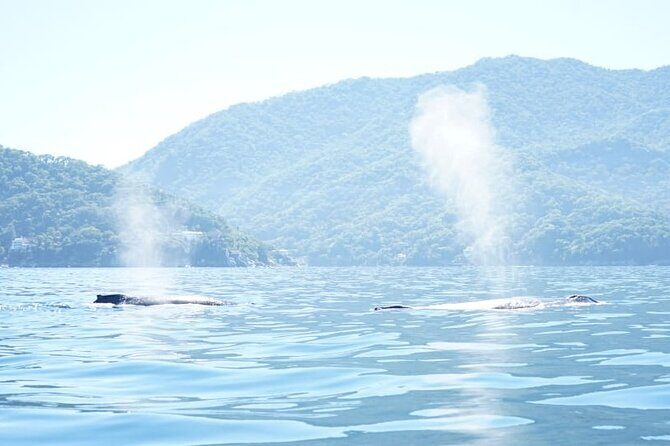
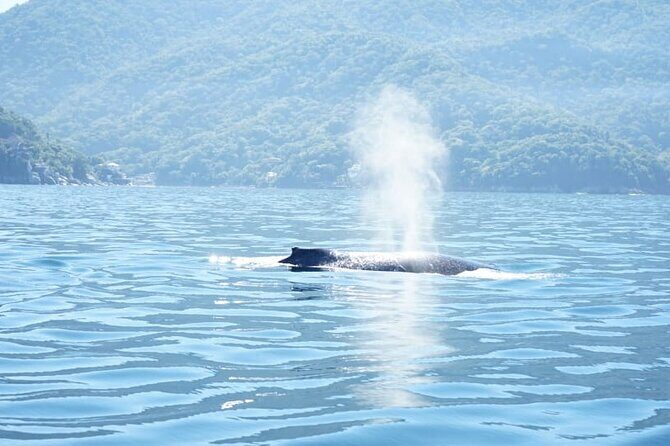
The main experience happens in Bay of Banderas, and this is where the trip tends to deliver its magic.
In the best scenarios, you get clear sightings and enough time for real viewing—some people even report a mother and baby close together, and there are accounts of a whale coming extremely near the boat. Those moments are the reason whale watching fans keep coming back.
In the less-perfect scenarios, the boat finds whales farther away or not at all. There’s at least one account of no whales and a trip that felt more like a ride than a guided activity, with extended wandering and dissatisfaction about timing.
What I’d tell you to do: treat the tour as a chance, not a guarantee. If you’re going because seeing whales is your top priority, keep your expectations flexible and don’t tie the experience to an exact time window you can’t lose.
Also, whale watching works best when you can stay patient and quiet. If you’re hoping for constant action, this can feel slow between sightings.
You can also read our reviews of more tours and experiences in Puerto Vallarta


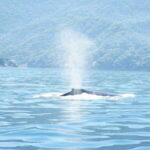
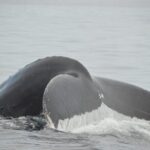
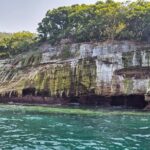
The Comfort Factor: Sun, Spray, and Seating You Can Feel
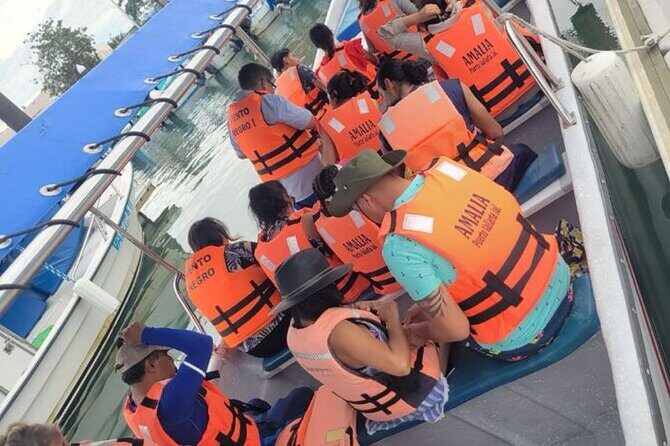
Comfort is the wildcard on this kind of whale trip, especially on small boats.
From the feedback, the recurring comfort themes are:
- Brutal sun with limited shade
- Constant salt water spray during some trips
- Tight seating that can affect whether you sit together (one couple reports they couldn’t sit together)
Here’s how you can handle it:
- Wear sun protection (hat, sunglasses, sunscreen). The sun can be a real issue.
- Assume you might get wet. Pack something simple for drying off afterward.
- If sitting together is critical, arrive early and be ready to ask where you’ll be seated when boarding.
If you’re prone to motion sickness, you might consider bringing something you already use—nothing about the trip suggests medical support, and discomfort at sea can turn a good sighting into a miserable memory.
Language and the Whale Guide: Helpful, But Not Uniform
A whale guide is included, and the whale guide’s job is to help you understand what’s happening and keep the viewing respectful.
In practice, language support can vary. There’s at least one report where they were grateful someone on the boat spoke Spanish, because communication with the captain was important. Another account mentions difficulty because the person checking in was late and there wasn’t clear guidance about port fees.
So here’s the practical takeaway: rely on the guide for whale-related context, but don’t assume every crew member will provide fluent English at all times.
If you want to get more from the experience, learn a few basic Spanish phrases for the situation you’re likely to hear, like asking about whales or where to look. Even a little effort can make the guide’s explanations land better.
Price and Port Fees: Is $55 Worth It?
The price is $55.00 per person for about 3 hours. Included items are lifevest, bottled water, and a whale guide.
That’s a reasonable bundle, especially when you compare what you’d normally pay for boat time plus guide services. The trip’s value tends to be highest when you actually get good sightings and enough time on the water.
But two things can affect your value equation:
- Port tax $39 pesos
- If you’re coming on a cruise ship, the port tax is noted as not required.
- If you’re not on a cruise, plan on paying the $39 pesos port tax.
- Time alignment
- Some people report they didn’t get a full 3 hours as expected.
- Others mention late return.
So do the math before you go. If you’re paying the port tax, your all-in cost rises. If you’re on a cruise, your total cost stays closer to that $55 baseline.
My view: the base price is fair if you get sightings and the guide actually talks and explains. If you end up with no whales or feel like it was just a ride, it’s harder to call it a great deal.
When It Works: Los Arcos, Beach Time, and Walking
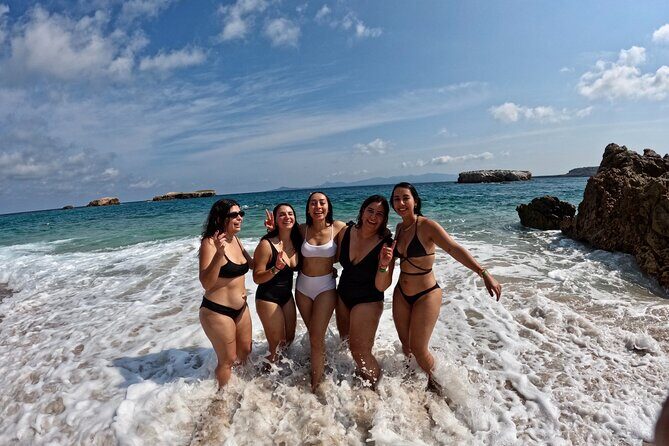
Even though the centerpiece is whale watching, some departures include additional time around Los Arcos, with a chance to hike and enjoy a beach.
That’s not guaranteed in the core description, so I’d treat it as a possible bonus rather than a firm promise. Still, it’s a big part of why this trip can feel like more than just “out and back.”
If you’re the type who likes a mix—wildlife plus a stretch on land—this is worth considering. Just understand that boat conditions and whale sightings drive how much extra land time you get. In other words, whales come first.
Who Should Book This Whale Watching Trip?
This is a good fit if you want:
- A short, focused outing (around 3 hours) instead of a full-day excursion
- A trip with gear and a guide included
- A group vibe that stays fairly small (maximum 18)
It’s also a better match if you’re comfortable with:
- Sun exposure and possible spray
- Waiting between whale sightings
- The reality that the ocean decides sometimes
If your travel style is very schedule-bound, or if you need guaranteed sightings for a special occasion, I’d be cautious. One report notes no whales and major disappointment, which tells me variability is real.
Should You Book This Whale Watching Trip?
I’d book it if whale watching is high on your priority list and you’re okay with the natural uncertainty of wildlife. The included lifevest, bottled water, and whale guide help justify the price, and many departures deliver real sightings, including close moments.
I’d skip or rethink if:
- You’re extremely heat-sensitive or hate getting wet, since comfort can be tough on small boats
- You need strict timing and can’t tolerate a trip that runs shorter, later, or gets redirected
- You’re expecting a heavily narrated, classroom-style guide experience every moment
My best advice: go prepared for the sun and spray, arrive early, and treat the whale sighting as the main event. When the crew finds them, this trip can be a memorable Puerto Vallarta highlight without feeling overpriced.
FAQ
How long is the whale watching trip?
It runs for about 3 hours.
What’s included in the price?
The trip includes a lifevest, bottled water, and a whale guide.
Is there a port tax?
Yes. There’s a port tax of 39 pesos if you are not arriving by cruise ship. If you come on a cruise ship, the port tax is noted as not required.
Where does the tour start and end?
It starts at Los Peines, Isla Iguana, Puerto Vallarta and ends back at the same meeting point.
Is the tour offered in English?
Yes, the activity is offered in English.
How large is the group?
The tour has a maximum of 18 travelers.