REVIEW · PUERTO VALLARTA
Desembocada and Ameca River Bird Paradise (Wetland and Tropical birds in PV)
Book on Viator →Operated by ECOTOURS VALLARTA · Bookable on Viator
350 birds start before breakfast.
This Puerto Vallarta birding day is built around the Desembocada and Ameca River ecosystems, with time in mangroves, wetlands, and river habitats. You’re with a biologist guide for about 7 hours, and there’s even a chance at spotting the hard-to-see American crocodile.
I love how the tour is set up for real bird-finding time, not just sitting in a van. Small group size (max 8) keeps it easier to hear ID tips and keep an eye on what the guide points out. I also like the practical birding approach: scopes get used, you bring your birding log, and at the end you get a species recap plus a checklist you can keep.
One consideration: this isn’t a good pick if you have knee problems. The day involves walking in natural terrain, so you’ll want to plan for uneven ground and time on your feet.
In This Review
- Key Points You’ll Actually Care About
- Why Desembocada and the Ameca River Feel Like PV’s Real Birding World
- Meeting at Marina Vallarta: The 6:45am Start Works
- Playa Boca de Tomates: Your First Real Chance to Read the Habitat
- Desembocada Wetlands: Mangroves, Tropical Birds, and the Crocodile Question
- Ameca River Birding: Scopes, Calls, and Productive Stops
- What You Actually Get: Snacks, Coffee, and a Keep-For-Reference Checklist
- The Guides: Michael, Cynthia, and the Bird-Finding Playbook
- Pace, Comfort, and Logistics That Matter (Without Making It Complicated)
- Who This Tour Suits Best (And Who Should Rethink It)
- Price and Value: What You’re Paying For (Even Without a Number)
- Quick Tips So You Get the Most From Your Birding Log
- Should You Book This Puerto Vallarta Bird Paradise Tour?
- FAQ
- How long is the birding tour?
- What time does the tour start?
- Where do I meet for the tour?
- What’s included, and is lunch provided?
- Is the tour offered in English?
- What’s the minimum age requirement?
- What happens if the tour can’t run due to weather or too few participants?
Key Points You’ll Actually Care About
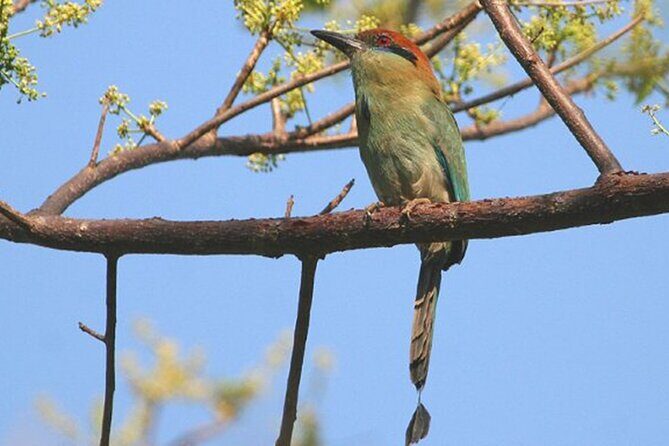
- Biologist-led birding for sharper IDs, including bird calls and behavior cues
- Desembocada wetlands with mangroves and tropical bird habitat
- Ameca River birding time using scopes when birds are distant
- Chance at American crocodile in the wild (not promised, but possible)
- Max 8 people plus air-conditioned van from the marina for comfort
- Bring your birding log; you’ll also receive a keepable checklist at the end
Why Desembocada and the Ameca River Feel Like PV’s Real Birding World
Puerto Vallarta isn’t just beaches. This route leans into the part locals talk about when they say the region is a wildlife magnet. The ecosystems here are built for variety: mangroves, wetlands, and river edges that support birds with totally different feeding styles and schedules.
The headline promise is big—nearly 350 bird species across the habitats you visit. In plain terms, that means your odds of racking up new sightings in a single morning-to-afternoon block are strong, especially when you have a guide who knows how to scan, listen, and move quickly to the best micro-habitats.
You can also read our reviews of more tours and experiences in Puerto Vallarta.


Meeting at Marina Vallarta: The 6:45am Start Works
You start at Ecotours Vallarta / Dive Shop Proa, Marina Vallarta (Proa 20). The pickup is straightforward for this area, and the tour runs with a mobile ticket. It begins at 6:45 am and returns you to the meeting point.
That early start matters more than it sounds. Birds are active when it’s cooler, and guides can hit the best spots before the day gets loud and hot. Plus, you’re not wasting daylight later with traffic and parking problems—air-conditioned transport is included, which is a real win for comfort after a morning on the move.
Group size is limited to 8, so it tends to feel more like a focused field outing than a big bus tour. If you like asking questions and getting a straight answer, this setup helps.
Playa Boca de Tomates: Your First Real Chance to Read the Habitat
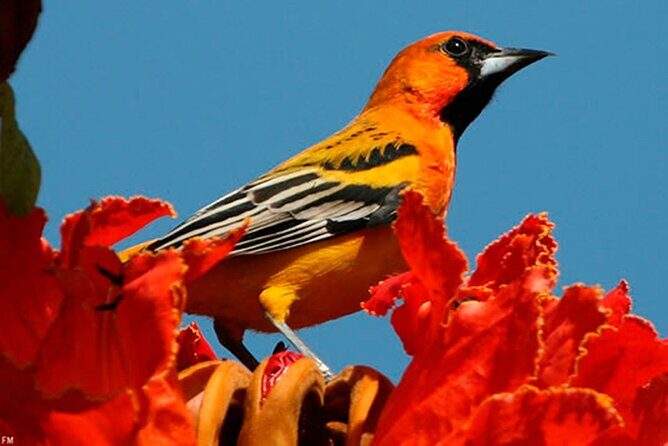
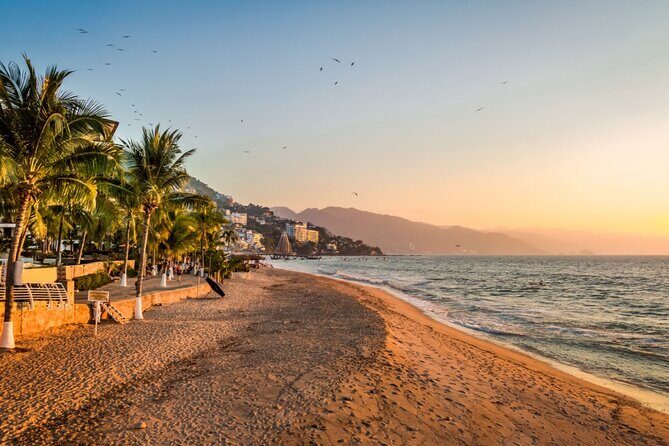
The day kicks off at Playa Boca de Tomates, which is a smart choice for starting your birding “eye.” Coastal habitat tends to offer quick wins: you can spot movement in the open, check edges where birds feed, and compare what you’re seeing to what you’ll encounter later inland.
This is also the moment to get your bearings for the rest of the day. If you’re keeping a birding log, use the first stop to write down what you notice—how birds behave when they land, where they pause, and whether they’re vocal. The guides often identify birds by a mix of sight and sound, and learning those patterns early makes later sightings easier.
You’ll likely want walking shoes here. The tour guidance is clear on that point, and it matches what birding in wetlands often requires: stable footing so you can stand and scan without constantly adjusting your balance.
Desembocada Wetlands: Mangroves, Tropical Birds, and the Crocodile Question
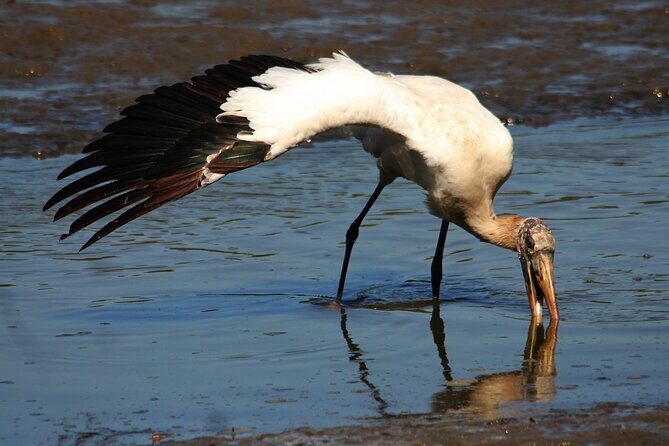
After the beach start, the heart of the experience is Desembocada and the wetland world around it. Mangroves aren’t just scenery. They’re a living filter—full of structure for perching, hiding, and feeding. Wetland edges also mean more edges to check: muddy margins, shallow water, and transition zones where birds change behavior fast.
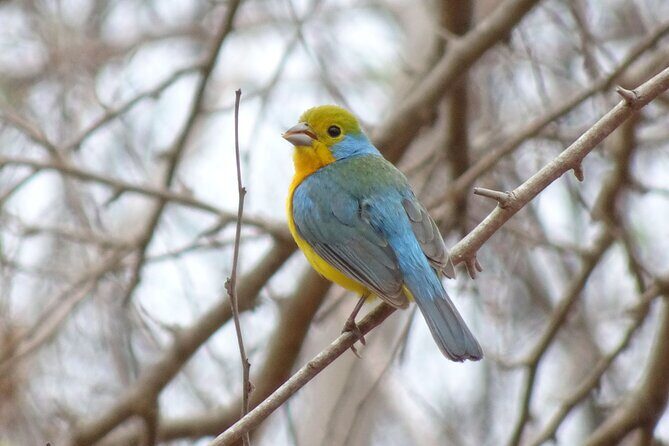
This is where the tour’s species variety starts to feel real. You’re in ecosystems that can support everything from small songbirds to larger raptors and waders. Based on past sightings during this type of outing, people often look forward to birds such as macaws (including military macaws), painted buntings, stilts, and other wetland species.
And yes, the American crocodile is part of the promise. That doesn’t mean you’ll see one. But the tour is built around habitat where the chance exists, so you aren’t just looking at a picture-perfect marsh—you’re in the kind of place where wildlife can actually be around.
Ameca River Birding: Scopes, Calls, and Productive Stops
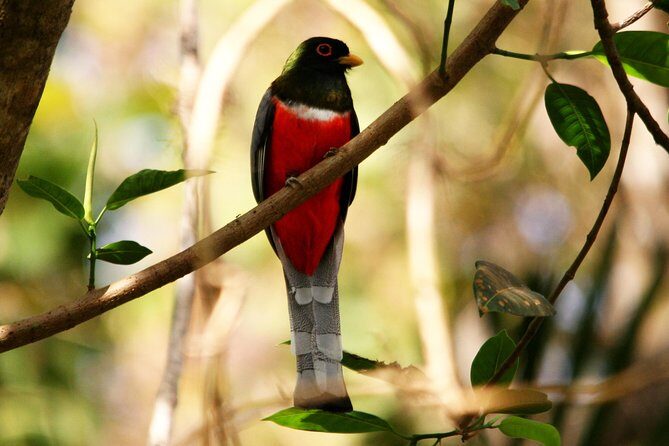
The Ameca River segment is where the guiding style really shines. Birding on a river often means birds are distant at first—up in branches, across water, or partially hidden. That’s why scopes matter. In multiple experiences tied to this tour, guides used spotting scopes to help people see details without sprinting every time a bird shifts position.
You’ll also get a big education in how birds communicate. One guide approach highlighted in past days: pointing out birds you can hear before you can fully see them. If you’re new to birding, this can be a lightbulb moment. Instead of chasing only the obvious movement, you start tracking by call and behavior—then the bird shows up like the punchline.
Where do you get the best results on a day like this? Productive stops tend to include marshy areas and feeder or ranch-like settings where birds concentrate. That feeder behavior can dramatically improve sighting odds, because birds are less scattered and more predictable.
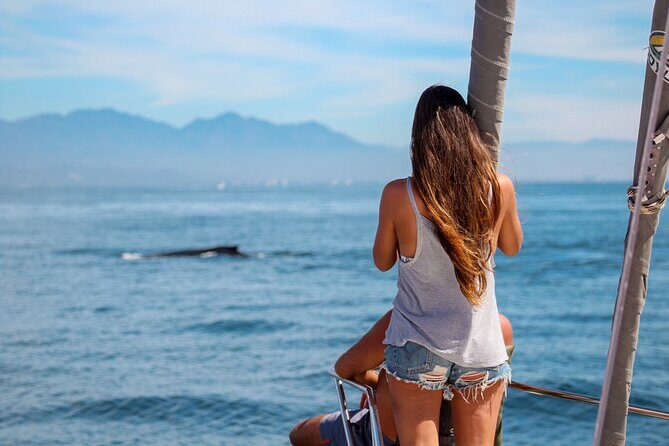
As for wildlife beyond birds, don’t be shocked if the area throws in other surprises. One past day included whale activity offshore (humpbacks breaching and playing), which is a good reminder that coast-and-wetland regions can produce non-bird surprises too.

What You Actually Get: Snacks, Coffee, and a Keep-For-Reference Checklist
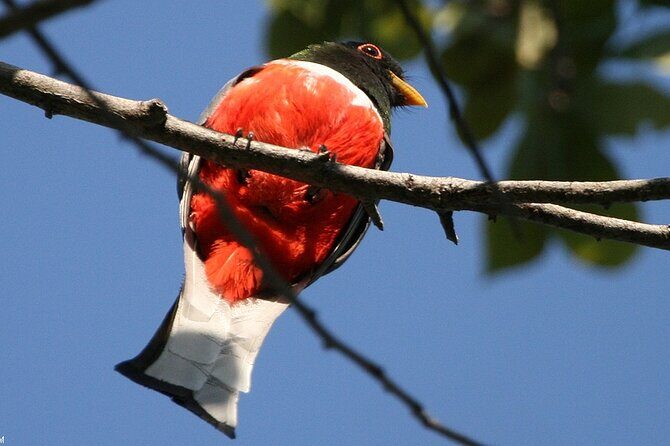
This tour is designed around a steady rhythm. It includes snacks, bottled water, and coffee and/or tea, plus the biologist professional guide and the driver/guide. Lunch isn’t included, so plan to have something afterward if you get hungry.
The best part, though, isn’t just the food. It’s the end-of-day recap. On earlier outings, guides did a closing tally of birds seen and walked through a checklist that participants could keep. For you, that means you can turn the day into a lasting bird record instead of a fuzzy memory.
If you’re the kind of person who likes to compare sightings later, bring your birding log and use the day to fill in the details you’ll want to remember: time of day, habitat type, and the notes you captured while watching.
The Guides: Michael, Cynthia, and the Bird-Finding Playbook
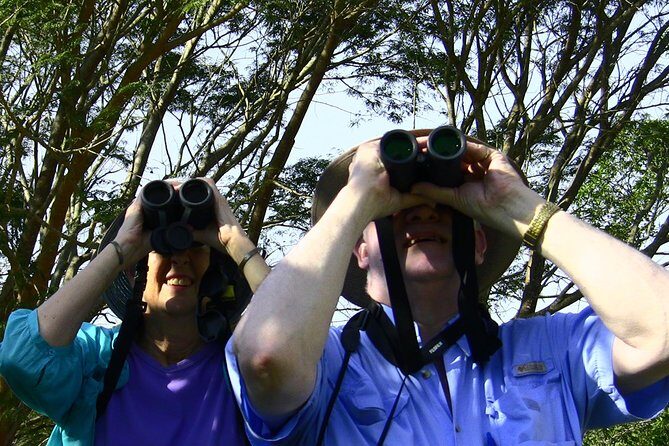
Different guides run the day, but the core approach seems consistent: patient scanning, species ID by sight and sound, and a habit of helping everyone see what they came for. Names that have led this experience before include Michael and Cynthia.
Michael’s style was described as spotting birds before others noticed them, often based on calls and song. Cynthia’s days were described as very organized for finding birds in the right spots, with scope and binocular support and a calm pace that didn’t feel rushed.
What this means for you: your success isn’t only about luck. It’s also about learning the guide’s tactics—how to hold still, how to watch movement patterns, and how to zoom in when a bird is far away.
Pace, Comfort, and Logistics That Matter (Without Making It Complicated)
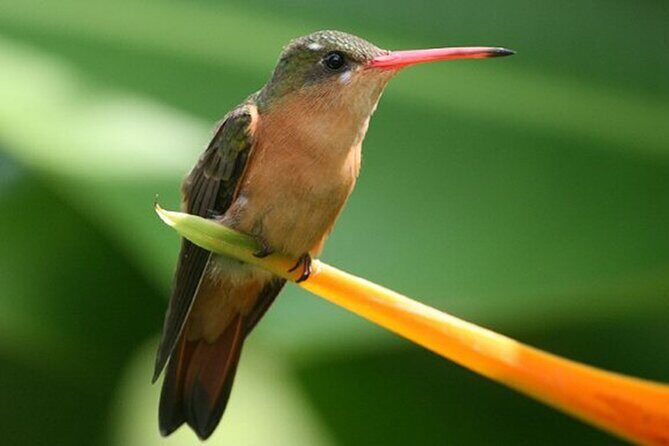
The day runs about 7 hours. That’s long enough to matter, but not so long that you feel stuck in one spot for half the day.
Comfort details are handled for you in the important places:
- Air-conditioned van from the marina is included
- The group is capped at 8 people, so the day doesn’t balloon in chaos
- You start at 6:45 am, then rotate through habitats instead of waiting around
What you’ll bring yourself:
- walking shoes
- your birding log
- a mindset that this is a wildlife viewing day, not a speed-challenge hike
One small heads-up from real-world experiences: some days may include more inland and wetland focus than ocean-focused shorebird watching. If shorebirds and marine bird spotting are your top priority, you might want to keep expectations flexible and trust the guide to chase the best bird activity for the day.
Who This Tour Suits Best (And Who Should Rethink It)
This is a great fit if you:
- want to see lots of species in one day
- enjoy learning bird ID from a pro guide
- like small-group outings with room to ask questions
It’s also a solid option for families who are comfortable walking, with a minimum age of 8 and children needing an adult.
It’s not a great fit if:
- you have knee problems (not recommended)
- you need a fully seated, low-walking experience
Also, it’s offered in English, and it’s close to public transportation, so it tends to work well for different lodging situations across the marina area.
Price and Value: What You’re Paying For (Even Without a Number)
Since no price is listed here, I’ll judge value by what’s included and what that usually costs in time and effort. For this day, the value comes from:
- a biologist professional guide (ID skill is the whole point of birding tours)
- small group size (so you actually get help scanning and identifying)
- transport by air-conditioned van (less friction, more daylight spent birding)
- snacks and drinks (so you’re not scrambling between stops)
- scope use and a structured recap with a checklist you keep
If you’re the type who wants a real birding education, not just a nature drive, this setup is built for that.
Quick Tips So You Get the Most From Your Birding Log
You’ll enjoy the day more if you come ready to watch and record. Here are a few practical moves that match what the tour expects from you:
- Wear walking shoes you trust on uneven ground.
- Bring your birding log and write early notes at the first stop, while the day is quiet.
- When you hear a bird first, pause and listen. The guides often identify birds by call, then you look up.
- Don’t stress about perfect IDs. Behavior, habitat, and voice notes can be just as useful later.
Also, since lunch isn’t included, plan for food after the tour so the day ends feeling like a win instead of a hunger scramble.
Should You Book This Puerto Vallarta Bird Paradise Tour?
If you want a structured birding day with a biologist, this is an easy yes—especially if you’re excited about wetlands, mangroves, and learning how to ID birds by more than just what’s obvious in flight. The combination of small group size, scope time, and a close habitat-focused route makes it one of the more practical birding experiences in Puerto Vallarta.
I’d reconsider if you have knee issues or you’re only interested in ocean shorebirds, because the day’s strength is wetlands and river habitat. And if you hate early mornings, the 6:45 am start is your biggest challenge.
FAQ
How long is the birding tour?
It’s about 7 hours.
What time does the tour start?
The start time is 6:45 am.
Where do I meet for the tour?
You meet at Ecotours Vallarta / Dive Shop Proa 20, Marina Vallarta, Puerto Vallarta, Jal., Mexico.
What’s included, and is lunch provided?
Included are bottled water, snacks, driver/guide, biologist professional guide, air-conditioned transport, and coffee and/or tea. Lunch is not included.
Is the tour offered in English?
Yes, it’s offered in English.
What’s the minimum age requirement?
The minimum age is 8 years, and children must be accompanied by an adult.
What happens if the tour can’t run due to weather or too few participants?
The experience requires good weather, and if it’s canceled due to poor weather you’ll be offered a different date or a full refund. It also requires a minimum number of travelers; if it’s canceled because that isn’t met, you’ll be offered a different date/experience or a full refund.