REVIEW · PUERTO VALLARTA
Vallarta surf lesson with Pickup Included
Book on Viator →Operated by Vallarta surf lesson · Bookable on Viator
Surfing lessons in Vallarta hit the sweet spot. This private half-day surf coaching is built around real ocean conditions, with pickup included from the Puerto Vallarta area and a beach picked for your skill level.
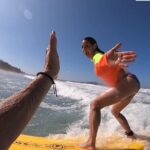
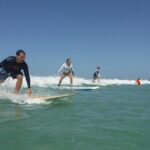
I love the hands-on structure: a quick technique explanation on land, then meaningful time in the water. I also like how instructors teach you to read waves, not just copy a stance, and you’ll hear specific, practical tips like looking for the wave pocket for more power.
One heads-up: some surf beaches can have rocky, sharp entries, so you’ll want to take safety seriously and come prepared.
In This Review
- Key Things That Make This Surf Lesson Worth Your Time
- How a Private Puerto Vallarta Surf Lesson Keeps You Moving
- Pickup, Timing, and the Real Meaning of Flexible “5 Hours”
- Beach Selection: Why Your Shoreline Choice Can Make or Break the Lesson
- Step-by-Step: What Happens From Pickup to Back on Your Map
- 1) You get picked up
- 2) The instructor chooses your surf beach
- 3) Technique first, then time in the water
- 4) Optional stop for local seafood
- 5) Drop-off at your convenient location
- What You Learn: More Than How to Stand Up
- The In-Water Reality: Rocks, Timing, and Getting Your Balance
- Equipment and Comfort: Easy Boards, Real Skill Progress
- Food Stop: Optional, Simple, and Local
- Price and Value: Is $120 a Fair Deal for a Private Lesson?
- Who This Surf Lesson Is Best For (And Who Might Hesitate)
- Things to Know Before You Book
- Should You Book This Puerto Vallarta Surf Lesson?
- FAQ
- FAQ
- What’s included in the Puerto Vallarta surf lesson?
- How long is the tour?
- Do I get pickup and drop-off?
- Is this lesson private?
- What language is the instruction?
- How do they choose which beach you surf at?
- Are there options for food after surfing?
- Is the surf lesson suitable for beginners?
- What happens if the weather is bad?
- What’s the cancellation policy?
- Do I need to bring anything for the lesson?
Key Things That Make This Surf Lesson Worth Your Time
- Pickup and drop-off: you get collected from your preferred spot around Puerto Vallarta and returned when you’re done
- Beach selection by conditions: the team chooses the shoreline based on your level and what the ocean is doing that day
- About 2 hours in the water: technique talk first, then real wave time
- Private, group-only instruction: you’re not mixed into a big class, so coaching stays personal
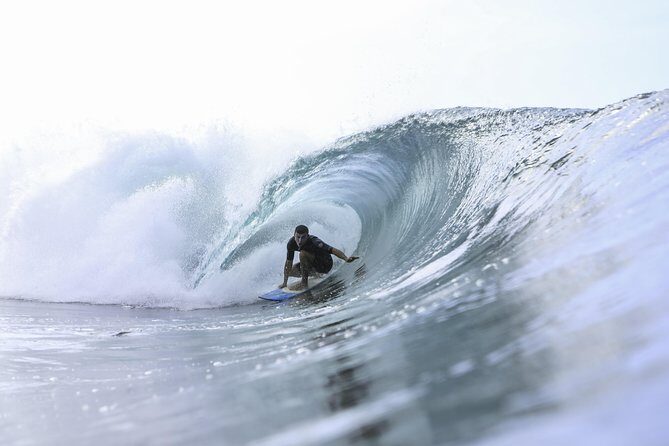
- Wave-reading coaching: you’ll learn what kinds of waves to look for and how to use the wave pocket
- Optional seafood stop: you can add a casual local meal on the way back
How a Private Puerto Vallarta Surf Lesson Keeps You Moving
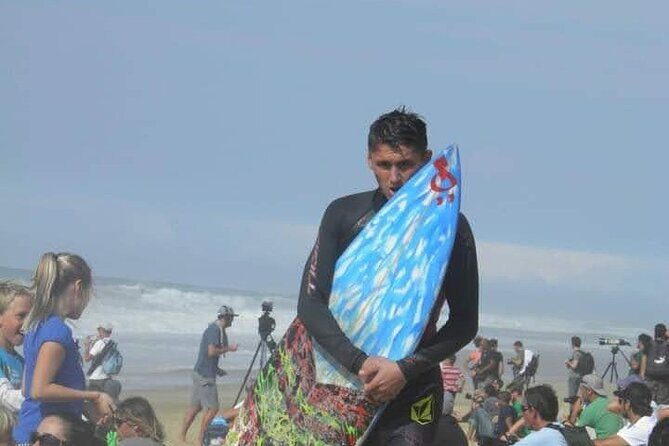
A good surf lesson isn’t just about catching waves. It’s about making sure you’re safe, you’re set up correctly, and you’re learning the stuff that changes how you surf within minutes.
This experience is a private surf lesson near Puerto Vallarta, and that matters. You get one-on-one attention (or attention for just your group), so mistakes don’t stay mistakes for long. It also helps the instructor tailor coaching to how you’re actually doing, not how you’re supposed to do.
The other big win is pickup included. You don’t spend your energy figuring out parking, transfers, or timelines. You show up, get moving, and the day flows from meeting point to surf time to back again.
You can also read our reviews of more tours and experiences in Puerto Vallarta



Pickup, Timing, and the Real Meaning of Flexible “5 Hours”

The whole tour is listed at about 5 hours. In practice, that half-day frame keeps it simple: you can fit it between sightseeing plans without turning it into a full-day production.
You’ll pick your meeting preferred location for pickup, and departure times are flexible. That’s helpful if you’re staying near the cruise terminal area, downtown, or further along the coast. One person noted being picked up right by the cruise terminal, with a drive to the surf area afterward.
You should also expect a drive to the day’s best surfing beach. Multiple instructors and routes show up in real-world examples, including trips around 40–45 minutes to spots like Nuevo Vallarta and Punta de Mita. Don’t plan tight connections right after pickup; factor in traffic and the general “ocean schedule” vibe.
Beach Selection: Why Your Shoreline Choice Can Make or Break the Lesson
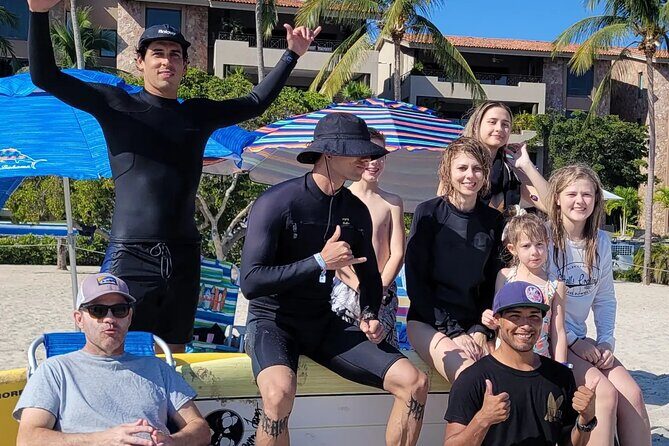
You don’t surf the same beach every time. The team selects the beach based on ocean conditions and your skill level, which is exactly how it should work.
This approach helps beginners because the instructor can choose calmer setups and more manageable wave shapes. It also helps more experienced surfers because they can match you with conditions that give you room to practice without constantly fighting the wrong type of break.
The practical trade-off is the shoreline itself. Some beaches have rocky, sharp entry points rather than easy sand. In that case, the instruction becomes part safety briefing, part equipment guidance. If you have them, consider water shoes, and expect the team to slow you down if the water access is rough.
Step-by-Step: What Happens From Pickup to Back on Your Map
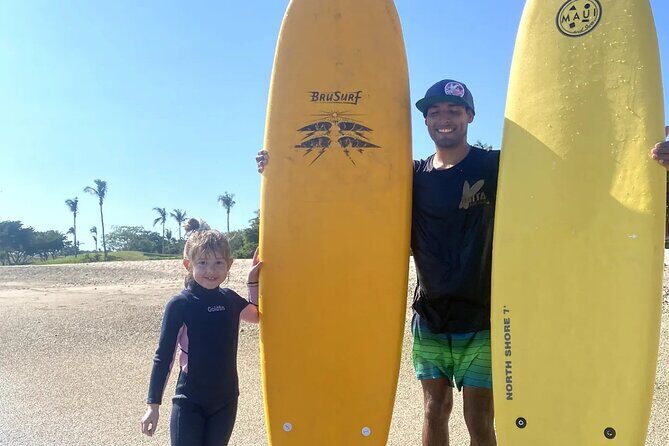
Here’s the flow you should expect, and why each part matters.
1) You get picked up
The day starts with pickup at your chosen meeting location in the Puerto Vallarta area. You’ll typically confirm details at booking time, and it’s designed to be straightforward to reach since it’s near public transportation.




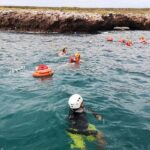
2) The instructor chooses your surf beach
Next, the team picks the best beach for the conditions and your level. This is where you’ll see the difference between a generic lesson and one that’s trying to maximize your odds of success.
3) Technique first, then time in the water
Plan on about 2 hours in the water after the initial technique explanation. That timing is the heart of the value. You’re not just watching someone demonstrate; you’re practicing, getting feedback, and building confidence wave by wave.
4) Optional stop for local seafood
On the way back, there’s an optional stop at a local seafood restaurant. If you want fish tacos and a casual beer, this can be a fun way to keep the day relaxed. If you’d rather control your own food, you can simply treat it as a convenient break rather than a required meal.
5) Drop-off at your convenient location
Finally, you return to your preferred drop-off spot. The “convenient” part is important here: after getting salty and tired, you’ll appreciate not having to chase transportation.
What You Learn: More Than How to Stand Up
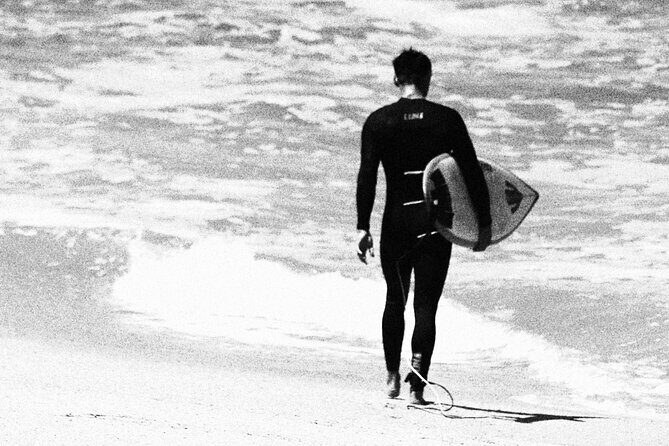
A first-time surf lesson can go two ways. Either you spend most of the time struggling and hoping you get lucky, or you learn a few key concepts that make the ocean easier to read.
This coaching leans toward the second option. Instructors focus on safety and surfing basics first, then give you bite-sized guidance that helps you actually progress.
A strong example from real coaching: Emilian’s explanations included what types of waves to look for and how to target the pocket of the wave for more power. That kind of tip matters because it changes your position and timing, not just your posture.
You can also expect patience. More than one instructor was praised for taking beginners seriously, explaining clearly, and adjusting when you’re learning fast. That includes teachers like Andru and Joaquin, who were highlighted for being calm, supportive, and good at explaining what to do next.
The In-Water Reality: Rocks, Timing, and Getting Your Balance
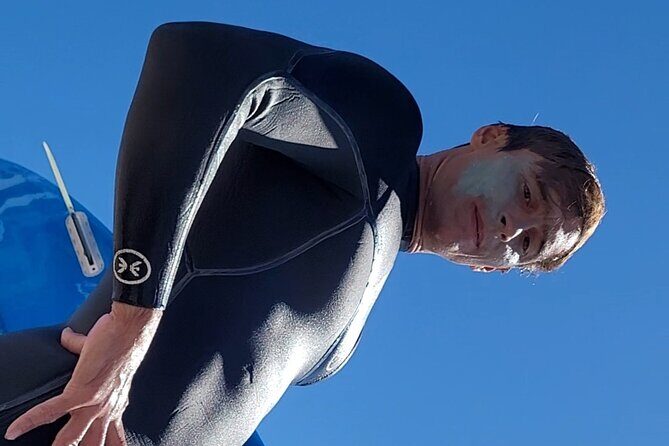
Surfing is physical and it’s a little unpredictable. Even with a great instructor, you’ll still feel the learning curve in your legs, your core, and your nerves.
One thing to plan for is the entry. If the day’s beach has rocky access, walking in can be harder than you expect. The good news is that the instructors treat safety warnings as part of the lesson, not as a formality. They’ll slow things down, guide you through it, and help you understand what to watch for.
Then there’s the “moment” part: standing up and staying up long enough to learn. Some people caught waves quickly enough that they were already making turns before the lesson ended. Even if you don’t start that fast, the lesson is structured so you get multiple chances, not a one-and-done demo.
Equipment and Comfort: Easy Boards, Real Skill Progress
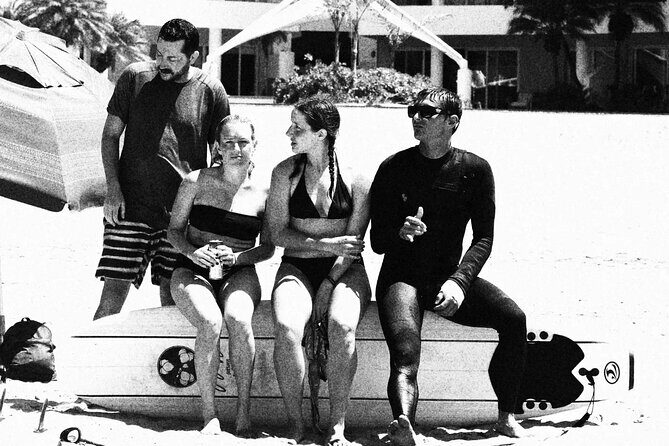
You might hear people say the boards are easy. That’s consistent with the lesson design for beginners and first-timers: use a board that helps you get stable while you learn the basics.
Still, you’ll want to show up ready for water time. You’ll be in the ocean for about two hours, and you’ll likely work through lots of paddling and getting up. Bring practical gear for a half-day surf outing: sun protection, something to keep your feet comfortable on shore, and a plan for what you do with wet items.
In at least one example, the group could leave belongings at a nearby surf shop before walking to the beach. That kind of setup is a comfort factor, because it keeps you from hauling everything through sand and salt.
Food Stop: Optional, Simple, and Local
The optional seafood stop is exactly the type of “value add” that makes the lesson feel like a complete day. Instead of rushing off right after surfing, you get a chance to cool down, eat something local, and swap stories.
One person described the post-surf wrap-up as fish tacos and a beer. That gives you a good target for what the stop can feel like: casual, local, and not a sit-down production.
Just remember the important detail: meals aren’t guaranteed as part of the price. You’re paying for the lesson and pickup; food is an optional add-on.
Price and Value: Is $120 a Fair Deal for a Private Lesson?
At $120 per person for about 5 hours, this isn’t a budget gimmick. It’s priced like what it is: private instruction plus transportation.
The value comes from three things:
- You’re getting private coaching, not a large group setup.
- Pickup and drop-off remove a whole layer of hassle and time.
- The schedule is built around real practice time, with about 2 hours in the water after technique.
If you’re traveling in a group and want everyone to get individualized feedback, the private format usually justifies itself quickly. If you’re solo and on a tight budget, you might compare it to group lessons, but this one aims at better coaching and less downtime.
Either way, the biggest “value signal” here is the beach-matching approach. Surf lessons fail when the conditions don’t match the student. This one is trying to fix that before you even hit the water.
Who This Surf Lesson Is Best For (And Who Might Hesitate)
This lesson fits most travelers and is designed for people who want coaching, especially if it’s your first time. If you want to learn surf basics safely, catch waves, and leave with practical wave-reading ideas, you’ll likely enjoy the format.
It’s also a great pick if you care about getting along with your instructor. Reviews highlighted instructors by name—Emilian, Andru, Joaquin, and Jonathan—and the consistent theme was patience, clear explanation, and effort.
The main reason someone might hesitate is the water access. If you’re not comfortable with rocky entry points, or you hate slippery footing, choose your gear carefully and take safety notes seriously. Also, expect the day to run with ocean timing and possible traffic on the way back.
Things to Know Before You Book
A few practical points will make your day smoother.
- You’ll select your pickup location, and pickup/drop-off is customizable around Puerto Vallarta.
- Expect instruction in English.
- You’ll receive confirmation at booking time.
- You’ll use a mobile ticket.
- The activity depends on good weather; if it’s canceled due to weather, you’ll get offered a different date or a full refund.
The big mindset tip: treat this as a learning session, not a performance. When the instructor explains what to look for—like the wave pocket—it can change how you ride much faster than brute strength ever will.
Should You Book This Puerto Vallarta Surf Lesson?
If you want a private surf lesson with pickup, clear safety focus, and coaching that teaches wave reading (not just standing up), this is a strong choice. The schedule is built around meaningful water time, and the beach selection process helps match conditions to your level.
I’d especially recommend it if you’re a first-timer who wants a real chance to catch waves and leave with takeaways you can use tomorrow, back home, or on your next beach.
I’d think twice only if rocky beach access would be a problem for you, or if you’re the type who needs perfectly sand-only entry and zero uncertainty. Otherwise, $120 for this setup is a fair deal for a well-guided half-day in Puerto Vallarta.
FAQ
FAQ
What’s included in the Puerto Vallarta surf lesson?
You get a half-day private surf lesson with pickup and drop-off from the Puerto Vallarta area. The lesson includes safety and surfing basics instruction, plus about 2 hours in the water after technique explanation.
How long is the tour?
It’s listed as about 5 hours total, with about 2 hours spent in the water after the initial technique explanation.
Do I get pickup and drop-off?
Yes. Pickup and drop-off are offered, and you can customize your pickup and return location around Puerto Vallarta with flexible departure times.
Is this lesson private?
Yes. It’s a private tour/activity, and only your group participates.
What language is the instruction?
The experience is offered in English.
How do they choose which beach you surf at?
They select the beach depending on ocean conditions and your skill level.
Are there options for food after surfing?
There’s an optional stop at a local seafood restaurant on the way back.
Is the surf lesson suitable for beginners?
Most travelers can participate, and the lesson is designed to teach surfing basics with safety guidance.
What happens if the weather is bad?
This experience requires good weather. If it’s canceled due to poor weather, you’ll be offered a different date or a full refund.
What’s the cancellation policy?
You can cancel for a full refund up to 24 hours in advance of the experience’s start time, based on local time.
Do I need to bring anything for the lesson?
The activity includes time in the water and at the surf site, and some locations may have rocky entries. It’s wise to come prepared for ocean conditions and shore access.