REVIEW · PUERTO VALLARTA
Release of Sea Turtles in Camp Tortuguero
Book on Viator →Bookable on Viator
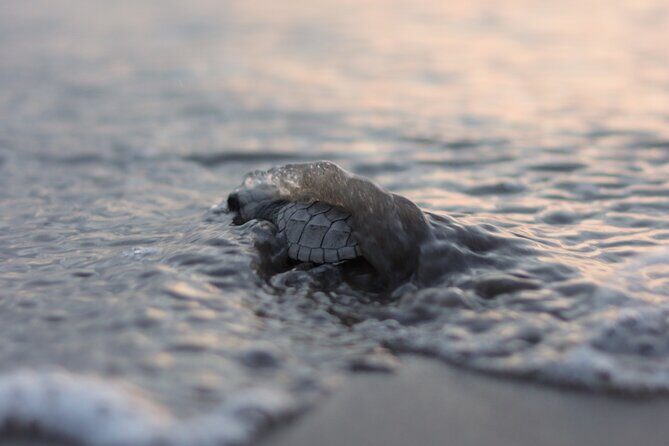
Watching baby turtles head for the surf is oddly powerful. This 2-hour Camp Tortuguero experience pairs an on-the-ground sea turtle conservation talk with the chance to release hatchlings at the beach next to the campsite at Playa Boca de Tomates.
I especially like two parts: first, the pre-release education from biologists (guides often include Eddie or Eduardo) so you understand what the turtles face before they’re ever in the waves. Second, you get hands-on involvement when it’s time to release the baby turtles yourself, which turns a cute moment into something with meaning.
One thing to keep in mind: hatchling availability can change based on conditions that day, so be ready for possible timing adjustments or a different date if the operator doesn’t have turtles ready.
In This Review
- Quick Highlights You’ll Actually Care About
- From Marina Vallarta to Camp Tortuguero in About 2 Hours
- Stop 1: Meet Your Guide and Ride to the Beach Campsite (About 15 Minutes)
- Stop 2 at Playa Boca de Tomates: Environmental Education Before the Release
- The Actual Turtle Release: Short, Moving, and Sometimes Slow
- Wildlife Bonus: Mangroves, Crocodiles, and the Value of Safe Distance
- Price and Value: Is $41.82 Worth It?
- What to Pack: Heat, Sand, Water, and Photo Timing
- Who This Tour Fits Best (And Who Might Prefer Another Option)
- Should You Book This Sea Turtle Release Tour?
- FAQ
- How long is the sea turtle release experience?
- Where do I meet for the tour?
- What’s included in the price?
- What is not included?
- Is the tour offered in English?
- How big is the group?
- Is transportation provided from my hotel?
- Can this tour be canceled for poor weather?
- What if I cancel?
Quick Highlights You’ll Actually Care About
- Biologist-led education first: you learn how they conserve turtles before you ever walk down to the beach.
- Your own release moment: you’re given a baby turtle to help start its journey.
- Small group size: capped at 23 people, so it feels organized rather than chaotic.
- Crocodile spotting en route: you may see crocodiles from a safe distance on the way to the release area.
- Bottled water included: plus shade and seats are available, which matters in Vallarta heat.
- Photos are optional: there’s an opportunity to buy photos taken by staff if you want a keepsake.
From Marina Vallarta to Camp Tortuguero in About 2 Hours
This outing is built for people who want a real wildlife experience without losing half a day. The tour is listed at roughly 2 hours, and it moves at a pace that balances instruction, walking, and the short but emotional release moment.
You start at Vallarta BioNature Tours, located at P.º Bocanegra, Marina Vallarta, 48335 Puerto Vallarta, Jal., Mexico. The meeting point is near public transportation, and the tour uses a mobile ticket, which is handy if you hate fumbling with paper. After you meet your guide and your group is complete, you head toward the camp.
The logistics are simple, but I’d plan your arrival early enough to avoid stress. If you’re coming by taxi or ride-share, leave buffer time. This is one of those activities where being rushed is the worst possible vibe—because you’ll want your brain switched on for the conservation talk.
You can also read our reviews of more tours and experiences in Puerto Vallarta.


Stop 1: Meet Your Guide and Ride to the Beach Campsite (About 15 Minutes)
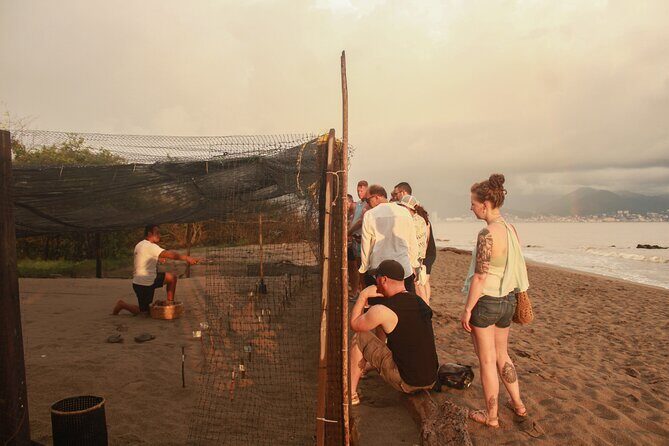
Your first step is meeting your guide at the tour’s start point. Once the group is assembled, you travel toward the camp area. The ride segment is about 15 minutes, and you’ll get moving right away.
Why this matters: the tour doesn’t start with a long bus ride or a complicated check-in. You’re quickly in “field mode.” That keeps the experience focused and helps you arrive ready to listen during the environmental education portion.
A small practical note from the way the tour is described: you’re not dealing with private transportation. Plan to get yourself to the meeting point on your own (taxi, ride-share, or other public options nearby). The tour handles the in-area movement once you’re with the group.
If you’re heat-sensitive, this is also where I’d get your strategy together. You’ll likely be outside soon, and the area is described as steps from the beach, with some walking across dry sand.
Stop 2 at Playa Boca de Tomates: Environmental Education Before the Release
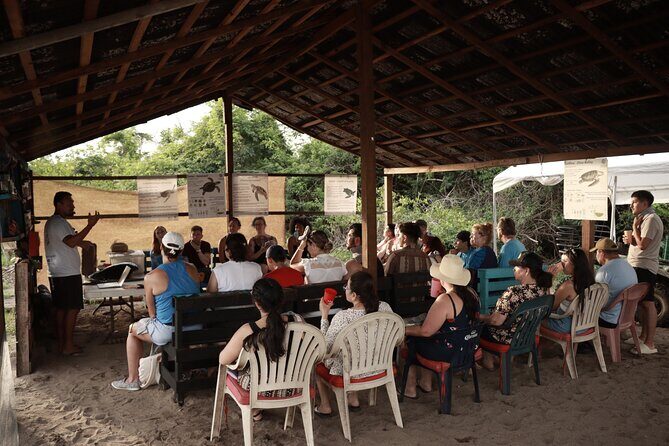
Here’s where the tour earns its keep. At the campsite right by the beach at Playa Boca de Tomates, you’ll receive an environmental education talk that focuses on what biologists do to conserve and preserve sea turtles.
The session runs about 1 hour 30 minutes in the tour schedule you’ll see, and that time is not filler. The main point is context: turtles aren’t cute trinkets you release and forget. They face real dangers from the moment they hatch and start their trek toward the ocean. Learning that before you’re holding a hatchling changes the whole tone.
I like that the guides lean into interactive explanations and clear structure. Guides described in the information include Eddie and Eduardo, and they’re often described as bilingual (Spanish and English), so you’re not stuck guessing what’s happening.
What you can realistically expect:
- You’ll get a conservation-focused talk about sea turtles and how the program works.
- You’ll learn what to pay attention to during the release so you don’t accidentally create noise, confusion, or delays.
- You’ll be prepared for the short window when the hatchlings are introduced to the beach.
Also, the tour context includes safety protocols. Multiple descriptions emphasize that the program follows procedures to protect the turtles throughout the process, not just during the release.
The Actual Turtle Release: Short, Moving, and Sometimes Slow
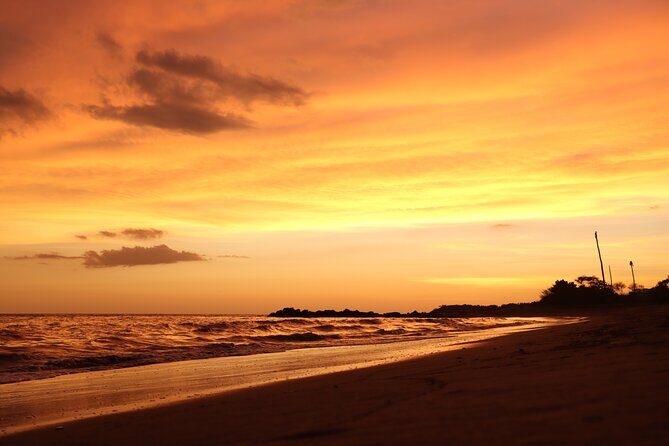
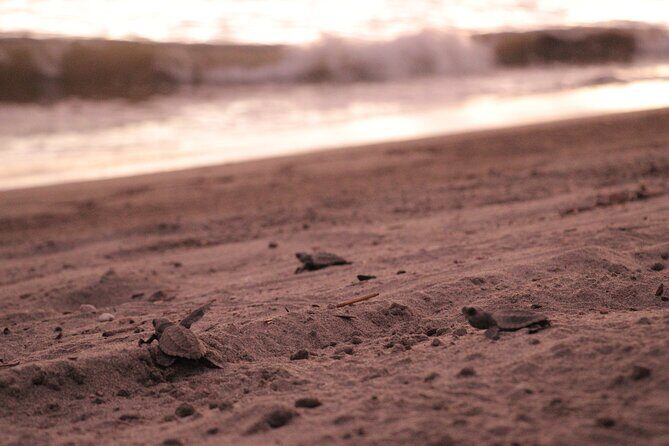
The release moment is brief, but it’s the reason you’re here. You’ll be given a baby turtle to release, and the experience is designed around doing it the right way—on the beach, at the right time, with staff guidance.
A few details that help set expectations:
- The release itself is typically described as a few minutes.
- After hatchlings are released, some may immediately head toward the water while others may move more slowly.
- If you’re with kids or you’re the type who gets anxious about everything going perfectly, build in a little patience. One account notes turtles can seem lethargic, which can make the group worry. In that situation, silence and nerves can take over because everyone is watching closely.
I think that’s worth mentioning because it affects how the experience feels. You’re not driving a fast parade. You’re participating in a natural moment, and sometimes nature moves at nature speed.
You’ll also want to understand what the “help” part can mean. In one description, if hatchlings don’t start on their own after some time, guides may assist in beginning their journey. You’re not doing random handling yourself—you’re following instructions from the staff.
What makes this section special is that it’s not just photo-op time. You’re part of a program that includes education and conservation donation. The release is also paired with protocols meant to reduce stress and protect the hatchlings.
Wildlife Bonus: Mangroves, Crocodiles, and the Value of Safe Distance
The tour adds a nice wildlife bonus en route to the hatchling area: you might stop in a mangrove-like area where you can see crocodiles.
The key word here is safe distance. Descriptions mention crocodiles spotted while keeping well back, with the group not feeling endangered because you’re positioned away from the wildlife. In one case, you could also see crocodiles in the water and even catch the reflective glint of their eyes with flashlight at the right angle (though that’s more situational and depends on timing and conditions).
Why this works: it builds your awareness of the whole coastal ecosystem, not just sea turtles. Sea turtle conservation doesn’t happen in a vacuum. Predators, habitat, and shoreline conditions all connect.
If you’re hoping for nonstop wildlife action, manage expectations. The crocodiles are a bonus, not the main event. The main event is the education and the release. The crocodiles are there to remind you you’re in the middle of a living system.


Price and Value: Is $41.82 Worth It?
At $41.82 per person, this tour is priced like a focused half-activity rather than an all-day excursion. The biggest reason it feels good value is what’s included:
- Admission fee and donation included
- Bottled water
- A guided experience built around education and a structured release
What’s not included:
- Private transportation
- Photos (sold separately)
When I look at value, I see two things you’re paying for beyond the beach moment. First, you’re funding conservation work through the included entrance/donation component. Second, you’re buying instruction. Without that education, a turtle release can feel like a gimmick. With the talk and protocols, it turns into something more grounded.
If you’re arriving from farther away, transportation can be your hidden cost. Since private transport isn’t included, you’ll likely cover taxi or ride-share to the meeting point and then back at the end.
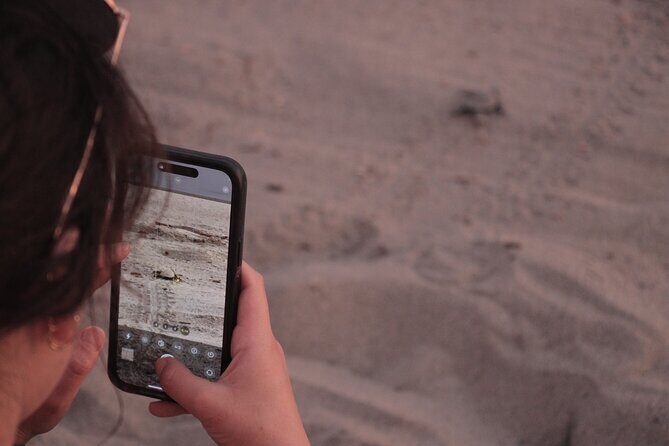
Photos can also add up fast if you want them all. But the optional photo path is still a good system: you don’t need to spend the release moment filming through sweaty phone glare while trying to position yourself for the shot.
What to Pack: Heat, Sand, Water, and Photo Timing
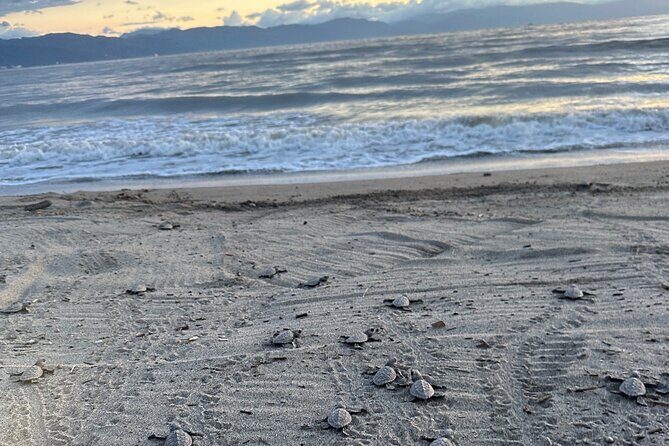
This is the part that can make or break your comfort. Descriptions include practical tips that repeat for a reason: it can be hot, and you may walk across sand.
Here’s what to do based on the info you have:
- Wear comfortable shoes with grip. You’re walking on sand, and dry sand can be tiring.
- Bring water even though bottled water is included. Heat makes you thirsty faster than you think.
- Consider bug spray if you’re sensitive, even if bug issues weren’t a problem for everyone.
- Bring a fan or something to cool down. Shade and seats exist, but you may still be outside waiting and walking.
- Plan for a bit of wetness. Some descriptions suggest you might get a little wet around the release.
If you’re serious about photos: staff are there to capture moments, and photos can be purchased after. I’d treat your own camera as secondary. The release moment can move quickly, and trying to do both—participate and hunt for perfect shots—is a recipe for missing the meaning of the whole experience.
Who This Tour Fits Best (And Who Might Prefer Another Option)
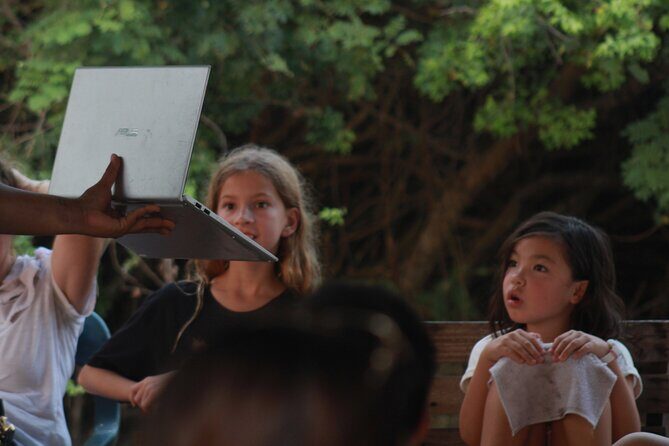
This experience is appropriate for most people, and it’s described as working well for families and couples. Kids are mentioned as part of groups, and at least one description highlights that a grandmother-aged participant managed the short walk without issue.
So who should book it?
- Families who want an educational nature experience, not just a beach stop
- Couples who love wildlife and care about conservation
- Anyone who gets moved by hands-on participation and prefers doing something purposeful rather than just watching
Who might rethink it?
- People who need rigid schedules. If hatchling timing changes, the experience may shift.
- People who dislike waiting in heat. Even with shade and seats available, you may spend time outside during education and transitions.
- People who can’t tolerate emotionally intense moments. Releasing hatchlings and watching them move toward the waves can hit hard.
In other words: if you want a structured conservation experience with a real field moment, this fits. If you want guaranteed fast action and constant animal sightings, you may feel the gaps more.
Should You Book This Sea Turtle Release Tour?
I’d book it if your priority is learning first and helping with a conservation-linked hatchling release. The combination of biologist-led education, small group size (up to 23), and the included donation/entry fee makes it feel purpose-driven rather than just scenic.
Book it with eyes open too. Go in expecting that hatchling availability is not totally in your control. If turtles are delayed or not ready, the operator may reschedule rather than run a fake version of the event. That variability is exactly why you should keep your plans flexible around this excursion.
If you can handle a short walk, some heat, and a brief moment of quiet focus at the beach, you’ll probably leave grateful. And even if the hatchlings move slowly, you’re still participating in something carefully guided and conservation-focused.
FAQ
How long is the sea turtle release experience?
It’s listed at about 2 hours total.
Where do I meet for the tour?
Meet at Vallarta BioNature Tours, P.º Bocanegra, Marina Vallarta, 48335 Puerto Vallarta, Jal., Mexico. The tour ends back at the same meeting point.
What’s included in the price?
Admission fee and donation are included, plus bottled water.
What is not included?
Private transportation is not included, and photographs are an extra cost.
Is the tour offered in English?
Yes, it’s offered in English.
How big is the group?
The maximum group size is 23 people.
Is transportation provided from my hotel?
No. Private transportation is not included, so you’ll need to get yourself to the meeting point.
Can this tour be canceled for poor weather?
Yes. This experience requires good weather. If canceled due to poor weather, you’ll be offered a different date or a full refund.
What if I cancel?
Free cancellation is available up to 24 hours in advance for a full refund, based on local time.