REVIEW · PUERTO VALLARTA
Market Visit & Mexican Cooking Class in Puerto Vallarta
Book on GetYourGuide →Operated by Authentik Tour · Bookable on GetYourGuide
Food lessons start at the market, not the stove. This Puerto Vallarta experience begins at the cemetery entrance in front of the 5 de diciembre market, then moves into hands-on cooking guided by Jeanne of Authentik Tours, with blind tasting as your warm-up. I also really like the small group size (10 max), because it keeps the pace friendly and gives you time to ask why things are done a certain way.
One thing to consider: this is a 3-hour class, so if you’re hoping for a long, slow, sit-down food crawl, you may feel slightly rushed compared with full-day tours.
By the end, you’re not just eating what you made. You’ll finish with a lively bar moment tied to the salsa vibe, plus a raicilla cocktail workshop that turns the whole meal into a celebration you can actually participate in.
In This Review
- Key highlights
- Meeting at the Cemetery Entrance in Front of the 5 de diciembre Market
- Market Visit Where You Taste Before You Cook
- Blind Tasting and the Chili Pepper Activity: Train Your Palate Fast
- Guacamole, Tortillas, and Enchiladas: The Cooking Part That Actually Sticks
- Lunch With Context: Prehispanic Food and Local Culture
- Raicilla Cocktail Workshop and Live Salsa Music: The Fun Wrap-Up
- Price and Value for a 3-Hour Hands-On Day
- Small Group (10 Max) and a Guide Who Connects
- Vegetarian and Vegan Options: What Works and What You Should Do
- Who This Puerto Vallarta Cooking Class Fits Best
- Should You Book This Cooking Class in Puerto Vallarta?
- FAQ
- Where is the meeting point?
- How long is the experience?
- How much does it cost?
- Is it a small group?
- What languages are offered?
- Is lunch included?
- What do you do during the cooking class?
- Are blind tasting and chili pepper activities included?
- Do you offer vegetarian or vegan options?
- Is the tour wheelchair accessible?
Key highlights
- 5 de diciembre meeting point: you start at the cemetery entrance in front of the market, so you’re grounded in real local context from minute one.
- Market first, then cooking: you shop for ingredients and sample food and beverages before you cook.
- Palate training through blind tasting: you practice noticing flavors instead of just following instructions.
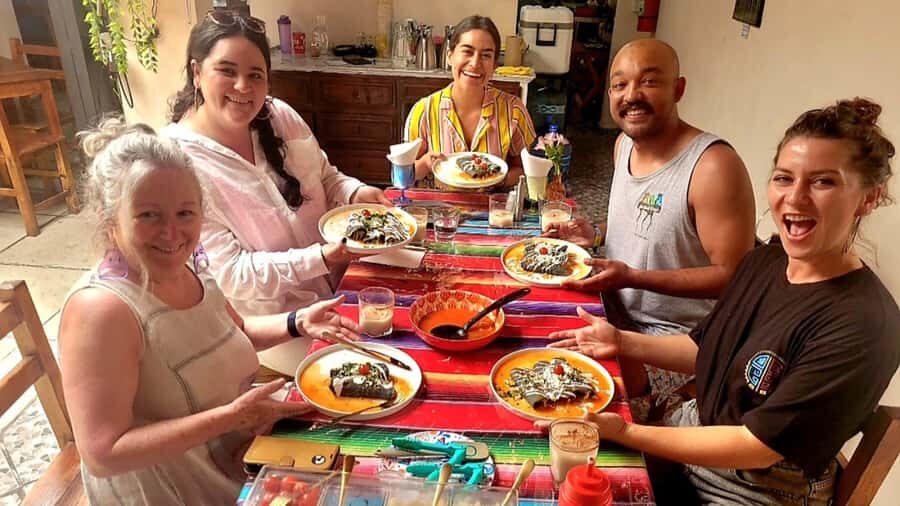
- Hands-on staples: you cook guacamole, tortillas, and enchiladas, then put it all together for lunch.
- Chili pepper activity + cocktail workshop: spicy flavor work goes with a raicilla cocktail session for a full spectrum of tastes.
- Small group energy (10 max): it feels closer to a guided hangout than a mass-tour production.
Meeting at the Cemetery Entrance in Front of the 5 de diciembre Market
The day kicks off at a specific spot: the entrance of the cemetery, right in front of the market called 5 de diciembre. It’s an unusual meeting point, and that’s exactly why I like it. You’re pulled into the neighborhood’s rhythm quickly, before the group gets herded toward only the most tourist-friendly corners.
After you gather, you’ll take in the cemetery visit that’s included in the experience. Even if you don’t love history tours, this kind of stop gives you a sense of what matters locally—how people relate to place, memory, and tradition. It sets a grounded tone for the rest of the day, where food isn’t treated like a theme; it’s treated like culture.
Practical tip: wear shoes you can walk in comfortably. Between the meeting area, market walking, and the move to the restaurant, you’ll want stability and easy mobility.
You can also read our reviews of more shopping tours in Puerto Vallarta
Market Visit Where You Taste Before You Cook
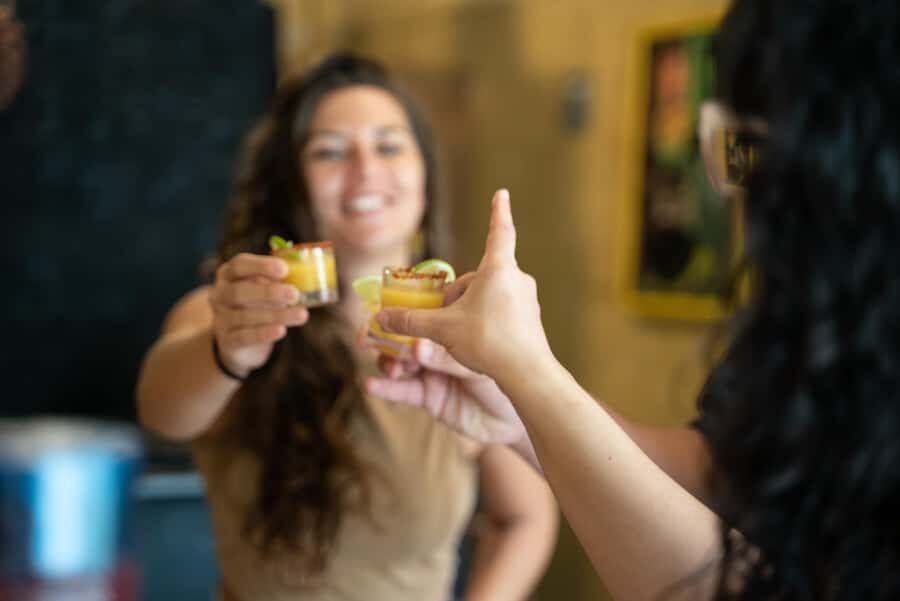
The market stop is the heart of why this class feels different from a typical cooking lesson. You don’t start with a lecture. You start with samples and ingredients, then you learn why they work together.
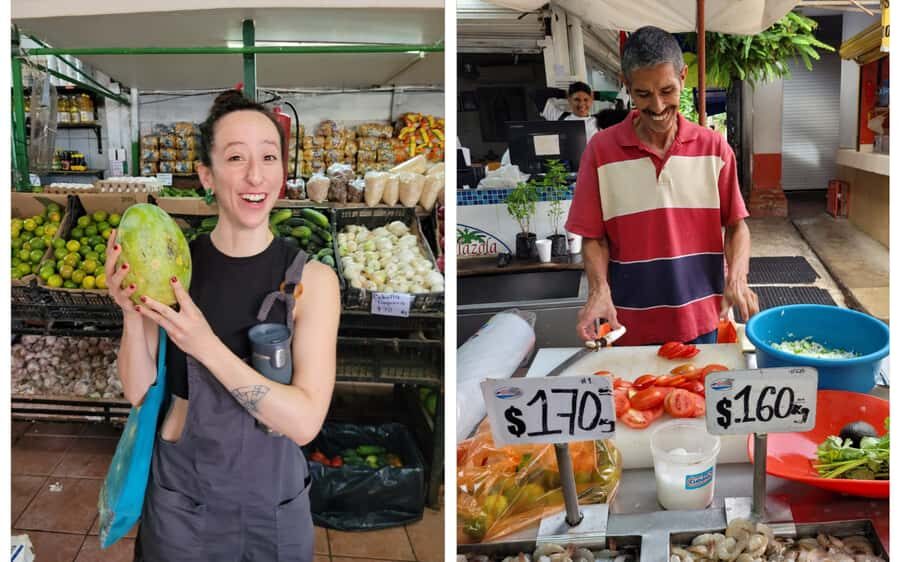
In the market, you’ll shop for some of the ingredients and enjoy food and beverage samples. That matters because Mexican cooking is built on combinations: chiles, herbs, fats, acids, and textures that behave differently depending on freshness. When you taste first, the later cooking steps make more sense. You can connect the flavor you just tried to the technique you’re about to use.
This is also where Jeanne’s community connection shows. The experience is designed around working with small local family businesses for positive impact tourism. Translation: you’re more likely to feel like you’re participating in daily life, not hovering around for photo ops.
If you’re worried about speaking up, the market format helps. You can ask questions as you go—what something is, how it’s used, why it’s chosen—and it keeps the group moving at a human pace.
Blind Tasting and the Chili Pepper Activity: Train Your Palate Fast
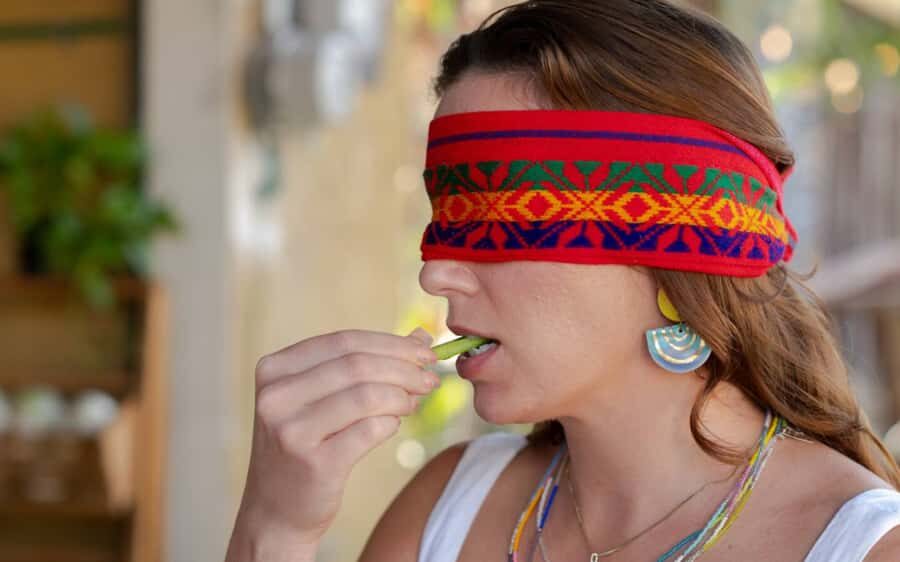
Then comes the part that turns the day into a game: blind tasting. You’re stimulating your senses and making educated guesses based on smell and flavor, not just what you think you know.
I like blind tasting because it changes your attention. Instead of memorizing a recipe, you learn how to identify elements—heat level, acidity, roasted notes, or herbal brightness. Even if you never plan to cook Mexican food at home, this teaches you how to taste like a chef: step by step.
Right after, there’s a chili pepper activity. Chiles in Mexican cuisine aren’t interchangeable. They can be smoky, grassy, fruity, dried and intense, or fresh and sharp. Working with them directly helps you stop thinking of heat as only a number on a scale and start thinking of it as flavor and aroma too.
If you’re cautious about spice, don’t stress. You can mention your preferences, and the tour is designed to adapt to dietary needs when you message ahead.
Guacamole, Tortillas, and Enchiladas: The Cooking Part That Actually Sticks
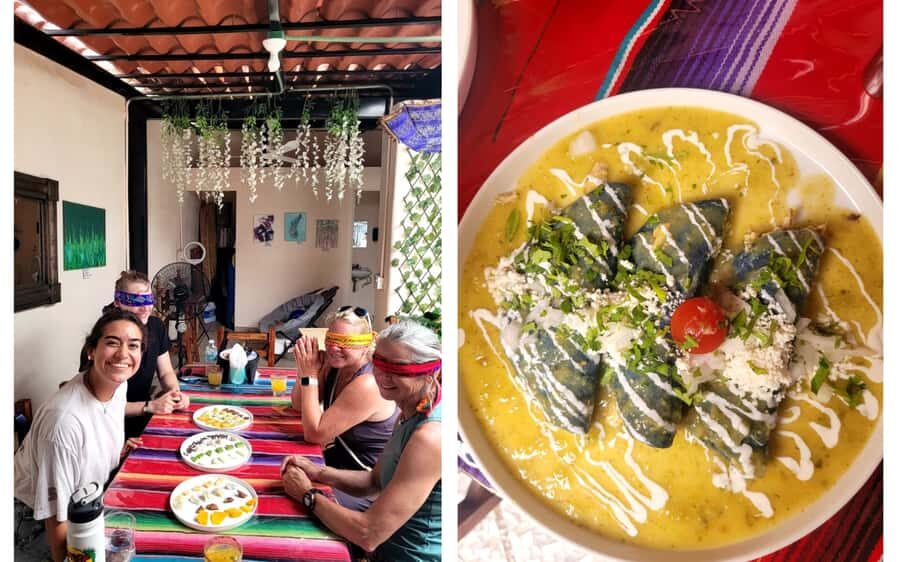
Now you head to a local restaurant where a passionate couple shares their secrets. This is where the experience earns its name: you don’t just watch. You cook.
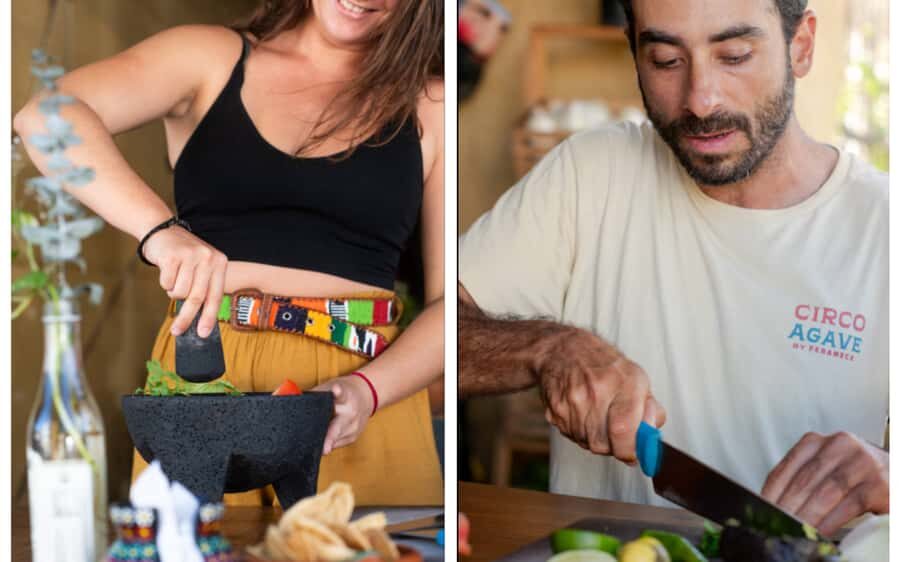
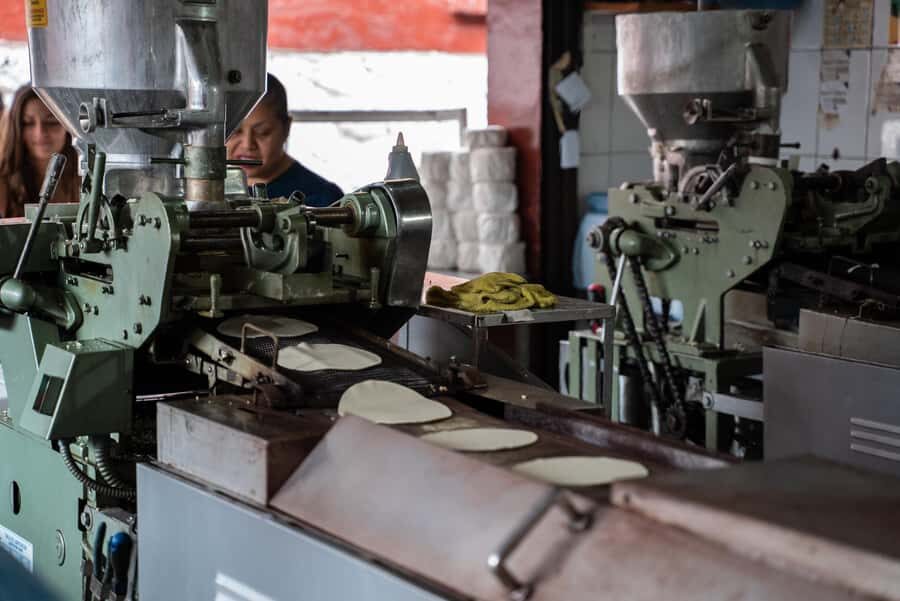
You’ll make guacamole, tortillas, and enchiladas. Each one teaches a different skill, and that’s why it works. Guacamole is about balance—creamy texture plus acid and seasoning. Tortillas are technique—heat, timing, and how simple dough turns into something aromatic and flexible. Enchiladas bring it together—filling, sauce, and assembly into a complete meal.
Because this is a small group (10 max), you’re more likely to get guidance when you need it. In bigger classes, you can feel like a passenger. Here, you’re part of the action: tasting, prepping, cooking, and building your lunch.
You’ll also prepare your meal as part of the process, then enjoy lunch made from what you made. That’s a key value point. Food classes that end in a finished plate are nice. Food classes where you build the plate are memorable.
Hands-on time also means you’ll leave knowing not just what you ate, but what to repeat: how tortillas should smell and feel, how guacamole tastes when it’s seasoned right, and how enchilada sauce changes the whole experience.
Lunch With Context: Prehispanic Food and Local Culture
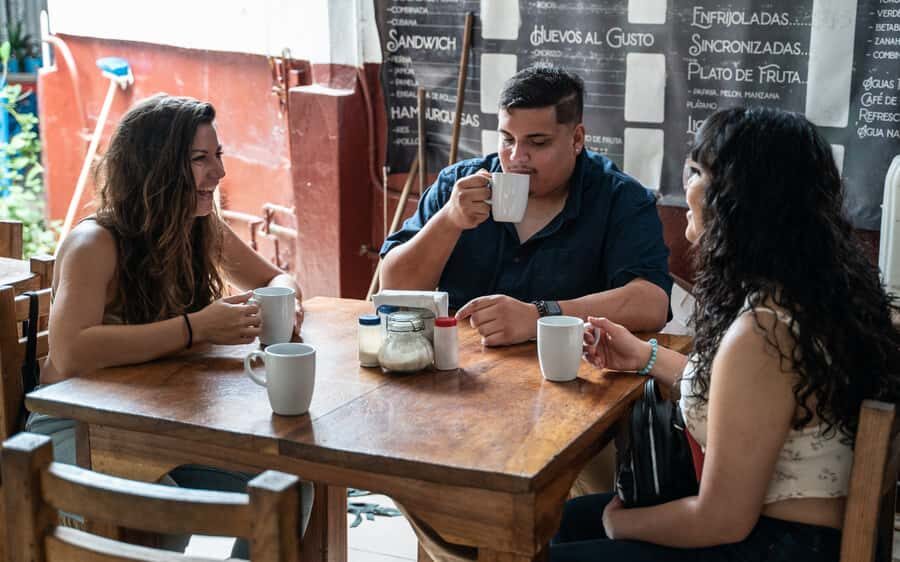
One of the clever parts of this experience is how it connects the cooking to local culture and prehispanic food influences. You’re still learning practical technique, but the guide also adds meaning—why certain ingredients matter, and how people traditionally approached food as sustenance and identity.
That context makes a difference on vacation. Without it, cooking classes can feel like a one-time performance. With it, you start noticing details later—on menus, in market stalls, even in how people talk about ingredients.
And because Jeanne guides in English, French, and Spanish, you’re not stuck guessing. You’ll get explanations clearly, and you can follow along without the feeling that language gaps are eating your attention.

Raicilla Cocktail Workshop and Live Salsa Music: The Fun Wrap-Up
You’re not done after lunch. The experience includes a cocktail making workshop, centered on raicilla. This is another smart choice. Raicilla is tied to the region’s identity, and learning about it through hands-on mixing keeps the session from becoming a lecture with a drink at the end.
On top of that, you get a lively bar atmosphere with live salsa music. If you like that kind of energy, this is where the day shifts from kitchen focus to social connection. The experience also leans into the idea that dance is a universal language—so even if you don’t know the moves, you can still join in by clapping along, watching, and soaking up the vibe.
Practical note: bring a little comfort. You’ll want to move a bit more than you would during a museum tour. It’s a celebration, not a formal dinner.
Price and Value for a 3-Hour Hands-On Day
At $110 per person for a 3-hour experience, this price might look “boutique” at first glance. But the value isn’t just that you’re learning recipes. You’re getting a package of experiences that are usually spread across multiple tours or activities.
You’re paying for:
- market time with food and beverage samples
- a cooking class with chef instruction
- structured tasting activities like blind tasting
- ingredient-focused work like the chili pepper activity
- a raicilla cocktail workshop
- lunch
- plus a included cemetery visit
Also, the group size matters. When the group is limited to 10 participants, the instruction time is naturally more personal. You’re not waiting around for your turn, and you’re more likely to leave with techniques you can actually repeat.
Think of it as paying for guidance and included food, not paying for ingredients. Markets and restaurants are expensive on their own—especially when someone else is handling samples and teaching you as you eat.
Small Group (10 Max) and a Guide Who Connects
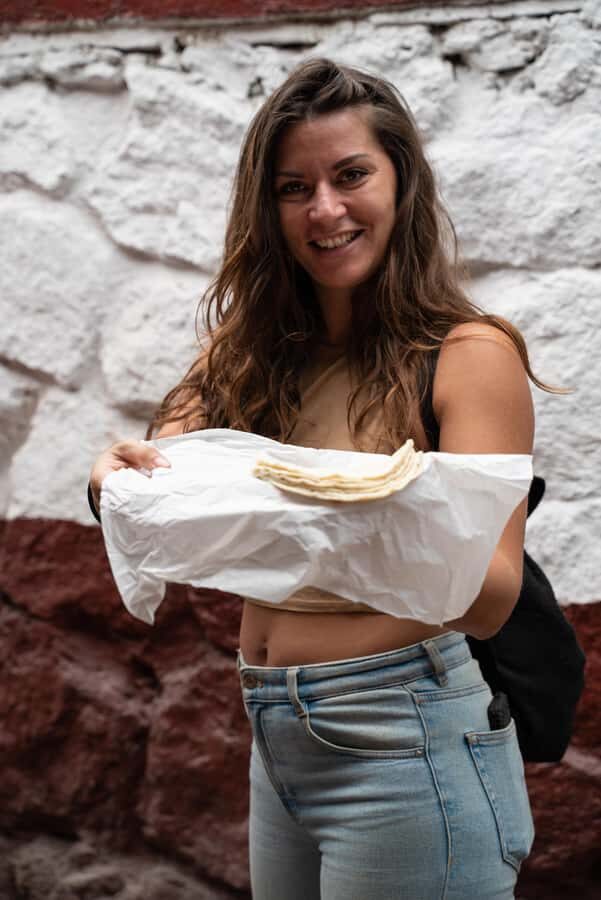
This is one of the most praised aspects for a reason. A small group changes how you experience a market and a kitchen.
With only up to 10 people, you get:
- more chances to ask questions
- a steadier pace
- less time standing around
- a more personal feel at the restaurant and bar
Jeanne also brings a warm, community-oriented approach. The connection to local family businesses isn’t just a feel-good slogan; it shapes what you see and who you interact with. That’s how you end up in more than the usual tourist loop.
Plus, the guide is fluent in English, French, and Spanish, which helps when you’re traveling with a mixed-language group or if you want clear explanations without effort.
Vegetarian and Vegan Options: What Works and What You Should Do
The tour offers vegetarian and vegan options. That’s excellent, but here’s the practical part: you need to message your food restrictions after booking so the team can adapt the tour for you.
I recommend doing it early and being specific. Instead of only saying vegan, include what you avoid (for example, eggs or dairy). The more detail you provide, the more likely the tour can keep your tasting and cooking experience aligned with your needs.
Even if you’re not vegan, this matters because it often changes the ingredient path. You might get different fillings, sauce adjustments, or tasting combinations. That can actually be educational: you learn how adaptable Mexican dishes can be.
Who This Puerto Vallarta Cooking Class Fits Best
This experience is ideal if you want a food day that includes real local context, not just kitchen instruction.
It’s a great match for:
- people who like hands-on cooking more than watching
- travelers who want a market visit with samples
- anyone curious about Mexican staples like tortillas, guacamole, and enchiladas
- guests who enjoy tasting games like blind tasting
- travelers who want a lively ending with a raicilla cocktail and live salsa music
If you hate spice or you want zero sensory surprises, you can still do this—but you should message your preferences and approach the chili activity carefully. The tour is designed to adapt, but your comfort comes first.
Should You Book This Cooking Class in Puerto Vallarta?
Yes, consider booking if you want your money to turn into a full experience: market time, active cooking, lunch, a palate-tuning tasting moment, and a fun raicilla finale. The small group size and Jeanne’s connection to local family businesses are a strong combo for travelers who care about authenticity and value.
Skip it if you’re looking for a long, slow, full-day itinerary with lots of free time. This is tight by design. In exchange, you get a lot done in 3 hours, and you leave with skills you can actually use.
If you can only pick one food activity and you want it to include both cooking and culture, this is a smart choice.
FAQ
Where is the meeting point?
You’ll meet at the entrance of the cemetery in front of the market called 5 de diciembre.
How long is the experience?
The tour lasts 3 hours.
How much does it cost?
It’s $110 per person.
Is it a small group?
Yes. The group is limited to 10 participants.
What languages are offered?
The live tour guide speaks English, French, and Spanish.
Is lunch included?
Yes. Lunch is included.
What do you do during the cooking class?
You’ll cook guacamole, tortillas, and enchiladas, and you’ll prepare your meal.
Are blind tasting and chili pepper activities included?
Yes. Blind tasting and a chili pepper activity are included.
Do you offer vegetarian or vegan options?
Yes. Vegetarian and vegan options are available. Message your food restrictions after booking.
Is the tour wheelchair accessible?
Yes, it is wheelchair accessible.