REVIEW · PUERTO VALLARTA
Introduction to Watercolor
Book on Viator →Operated by Art VallARTa Museo · Bookable on Viator
Watercolor lessons in Puerto Vallarta feel surprisingly personal. I love the small-group setup (max five people) and the professional supplies you get for the $36 price. One thing to think about: the studio is up a steep hill and involves stairs, so plan for that if you have mobility limits.
In a couple of hours, you get more than a casual art activity. You learn how watercolor works—color theory, mixing, paint layering, and texture—then you practice with subjects like still life, scenery, and wildlife. If you want a class that actually builds skill (instead of just making a pretty page), this is a solid pick.
In This Review
- Key things to know before you paint
- Why this Puerto Vallarta watercolor class is good value
- Finding Art VallARTa in the Zona Romántica hills
- What happens during the 2.5 hours (and why it matters)
- Color theory you can use immediately
- Mixing and controlling washes
- Layering that doesn’t turn into a mess
- Texture work for more than flat color
- Subjects: still life, scenery, and wildlife
- Taking one class or building a level-up path
- Supplies included: the hidden reason this works
- Instructors who actually teach: Lourdes and Veronica
- The gallery bonus: see local artists while you learn
- Price, time, and how far $36 really goes
- Who should book this watercolor class (and who might skip)
- Practical tips for your best result
- Should you book Art VallARTa’s watercolor class in Puerto Vallarta?
- FAQ
- How long is the watercolor class?
- What is the group size?
- Do I need to bring my own paints and brushes?
- What will I learn during the session?
- Can I take one class or multiple classes?
- Where does the class start, and is it easy to reach?
- What is the cancellation policy?
Key things to know before you paint
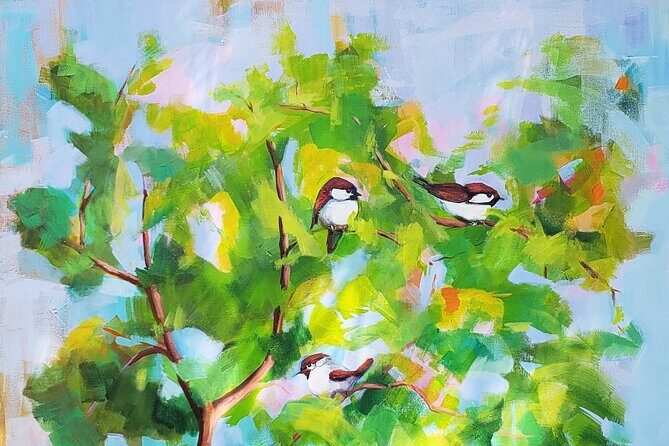
- Max five people means real feedback instead of being lost in the shuffle
- Professional materials are provided, so you can focus on technique
- You can start once or level up across multiple classes at your own pace
- Every class spotlights a different technique, so progress feels logical
- Art VallARTa includes a gallery space, letting you see what local Banderas Bay artists are working on
- The studio has hill-and-stair access, with taxis recommended if stairs are an issue
Why this Puerto Vallarta watercolor class is good value
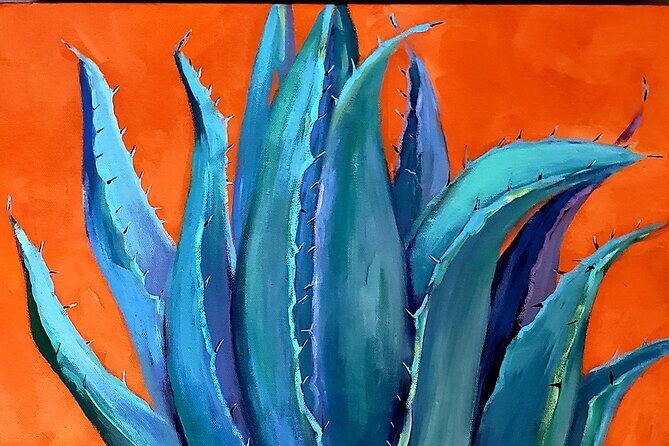
At $36 per person for about 2.5 hours, this watercolor class is priced like an entry-level experience, but it behaves more like a skill session. The big value move is that you do not have to buy or bring supplies. You get professional materials, and you use them long enough to understand what works (and what doesn’t) with watercolor.
Another value point is the teaching style. With a maximum of five students, instructors can slow down when your water control or color mixing is off, and they can guide you when you need a quick fix. One past student called out the instructor’s patience and technique knowledge, which is exactly what you want when watercolor is acting unpredictable.
The subject matter also helps your money go farther. You practice with still life, scenery, and wildlife rather than just one theme. That gives you tools you can reuse later when you try painting on your own.
You can also read our reviews of more tours and experiences in Puerto Vallarta.


Finding Art VallARTa in the Zona Romántica hills
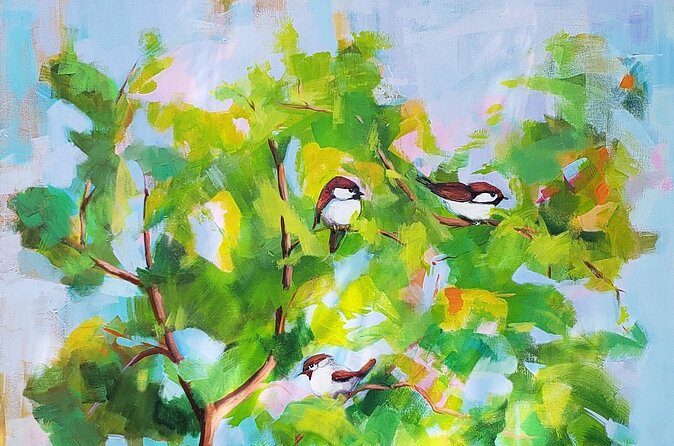
Your class meets at ART VallARTa, address: Pilitas 213, Zona Romántica, Amapas, 48333 Puerto Vallarta, Jal., Mexico. The start time is 10:00 am, and the activity ends back at the meeting point.
Location-wise, it is near public transportation, which is helpful if you are not doing everything by taxi. But here is the practical heads-up: the studio is on a hill. Reviews mention a steep climb followed by flights of stairs. If stairs are tough for you, I’d plan on taking a taxi to reduce the uphill stretch and to make it easier to arrive without stress.
The upside of this location is that you’re not just walking into a classroom. Art VallARTa is also a cultural center with gallery space, so it feels like you’re joining a local arts scene instead of disappearing into a generic studio.
What happens during the 2.5 hours (and why it matters)
There’s one main stop for the experience: you head to Art VallARTa and spend the full session working in the studio. The format is guided, but it’s not rigid. You get instruction, then you apply it right away so you can feel the effect of watercolor techniques while they are being explained.
Here’s how the class content makes sense for beginners:
Color theory you can use immediately
Watercolor can look effortless in photos. In real life, it comes down to knowing what colors do when they mix with water and dry on paper. This class starts with the principles of color theory and mixing. You’re not just learning names of colors—you’re learning how to create the hues you want and how to avoid muddy results.
Mixing and controlling washes
Once mixing is covered, you focus on how to handle the medium: how much water you use, how fast pigment spreads, and what changes when layers dry. Beginners often think watercolor is just about pigments. In this class, you’ll learn it’s also about timing and control.

Layering that doesn’t turn into a mess
A lot of people try to paint watercolor like it’s acrylic—then the second layer goes wrong. This course addresses paint layering so you understand what can be layered on top, how to build depth without dulling your colors, and how to let earlier work do its job.
Texture work for more than flat color
Watercolor can be flat if you only do smooth washes. You also practice texture, which is where your painting gains character. The class explicitly targets texture so you can create variety—things like edges, surface effects, and visual interest that still reads clearly on paper.
Subjects: still life, scenery, and wildlife
You practice the techniques through different kinds of subjects: still life, scenery, and wildlife. That variety matters because it trains your eye. You start learning how to translate real-world forms into watercolor shapes and values.
Taking one class or building a level-up path
One of the best things about this setup is flexibility. You can join as a standalone lesson, or you can level up over a series of classes. Each class focuses on a different technique, which means you can treat it like a mini curriculum instead of a one-off craft.
This is a practical way to learn watercolor if you’re traveling. You might not want to commit to a multi-day program, but you still want skill-building. You can take one session now, then come back if it clicks and you want to refine what you learned.
And because it’s small-group instruction, returning is more useful. If you already know your basics, the instructor can build on your earlier attempts.
Supplies included: the hidden reason this works
If you have ever tried watercolor while on vacation, you know the trap: cheap paints, stiff brushes, and dried-up supplies ruin your results before you learn anything. Here, you do not need to bring your own materials. Professional supplies are provided.
One important detail: a provider response mentioned high-quality Daniel Smith watercolors and also acknowledged a previous issue where brushes and paints were not cleaned properly. In other words, the concept is correct—premium materials—but maintenance matters. When you arrive, it’s reasonable to check that your brushes and paint setup looks fresh and clean before you start.
Even with that caveat, most of the experience is set up the right way for learning. You will have the right tools to see how watercolor behaves, not how a worn brush behaves.
Instructors who actually teach: Lourdes and Veronica
This class stands or falls on the instructor. Reviews specifically name two instructors: Lourdes and Veronica, and both are described as patient, competent, and well-versed in watercolor techniques and theory.
That’s exactly the kind of teaching you want as a beginner. Watercolor has a learning curve, and the fastest way to improve is feedback that’s calm and specific: what to change, what to keep, and how to fix a mistake without starting over from scratch.
Also, the pacing gets praised. One student said the time flew by because the instructor kept the class fun while still covering theory and technique. In plain terms: you’re busy, you’re not bored, and you’re not left hanging with a brush full of wet paint.
The gallery bonus: see local artists while you learn
Art VallARTa is not just a teaching space. Reviews highlight the gallery where students can see what local Banderas Bay artists are working on. That matters more than it sounds.
When you see local work in the same place you’re learning technique, it helps your brain connect “what I’m practicing” to “how people actually use these skills.” You get ideas for color choices, subject treatment, and texture effects that match the region’s artistic style.
It also makes the whole outing feel more cultural and less like an isolated workshop.
Price, time, and how far $36 really goes
Let’s make the math practical. For about 2.5 hours at $36, you get:
- Small-group instruction (max five)
- Built-in watercolor lessons across core topics
- Materials provided, so you don’t waste time searching for supplies
- The ability to start once or take more later
In many places, a cheaper class can cost you extra later because you buy supplies anyway, or because group size means you get limited guidance. Here, the “supplies included + small group” combo is what justifies the price.
Also, an average booking window is noted: it’s commonly booked around a month in advance. That’s a clue this class can fill up, especially in high season. If watercolor is on your must-do list, I’d lock it in soon after you book your Puerto Vallarta plans.
Who should book this watercolor class (and who might skip)
I’d point you toward this class if:
- You are a beginner and want real fundamentals: mixing, layering, texture
- You like hands-on learning with immediate feedback
- You want materials included so you can travel light
- You enjoy a small-group setting with time for guidance
You might skip it if:
- You cannot manage stairs or a steep hill to reach the studio (the hill-and-stair access is a real factor)
- You already paint seriously and expect an advanced, highly specialized workshop (the course is described as a beginner-focused fundamentals class)
- You dislike structured lessons and prefer independent art time only
Practical tips for your best result
Before you go, think like this: watercolor rewards calm focus and clean choices.
A few practical habits that will help you get more from the session:
- Arrive a few minutes early so you can settle before instruction starts at 10:00 am
- Plan for the hill and stairs unless you’re comfortable with that walk; a taxi is a smart call if you have mobility concerns
- Expect to practice techniques that involve water and layering; focus on the process, not just the final image
- If something looks off when you’re set up (brush condition or paint cleanliness), mention it right away so you don’t fight a preventable problem
Should you book Art VallARTa’s watercolor class in Puerto Vallarta?
Yes, if you want a friendly, small-group way to learn watercolor basics without the hassle of supplies. The $36 price is fair because you get real instruction time, a structured focus on mixing and layering, and professional materials provided in a studio connected to local art.
I’d book especially if you like the idea of starting with fundamentals and then coming back for later technique classes. Just be honest about one practical factor: the studio sits up the hill with stairs, so plan your route accordingly.
If that access is workable for you, this is one of those Puerto Vallarta activities that feels both creative and useful—because you leave with skills you can actually use back home.
FAQ
How long is the watercolor class?
The class runs about 2 hours 30 minutes.
What is the group size?
It’s an intimate small-group experience with a maximum of five travelers.
Do I need to bring my own paints and brushes?
No. Professional art materials are provided, so you do not need to bring your own supplies.
What will I learn during the session?
You’ll learn watercolor basics, including principles of color theory, color mixing, paint layering, and texture, practiced through still life, scenery, and wildlife subjects.
Can I take one class or multiple classes?
You can join for one class or level up over a series of classes, continuing from lesson to lesson.
Where does the class start, and is it easy to reach?
The class starts at ART VallARTa, Pilitas 213, Zona Romántica, Amapas, 48333 Puerto Vallarta. Reviews note the studio is up a steep hill with flights of stairs, so a taxi is recommended if stairs are difficult for you.
What is the cancellation policy?
You can cancel for a full refund if you do so at least 24 hours before the experience start time.