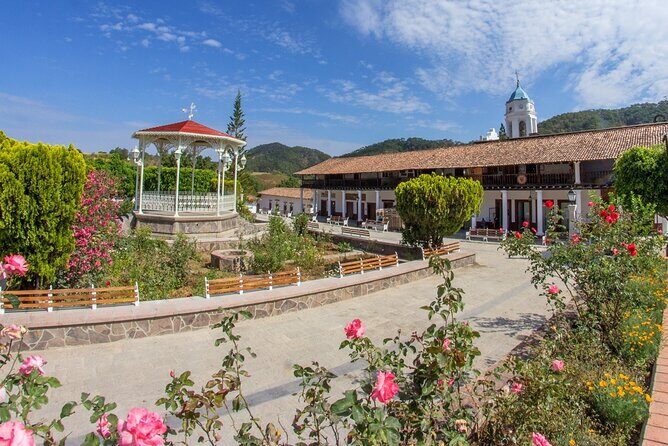
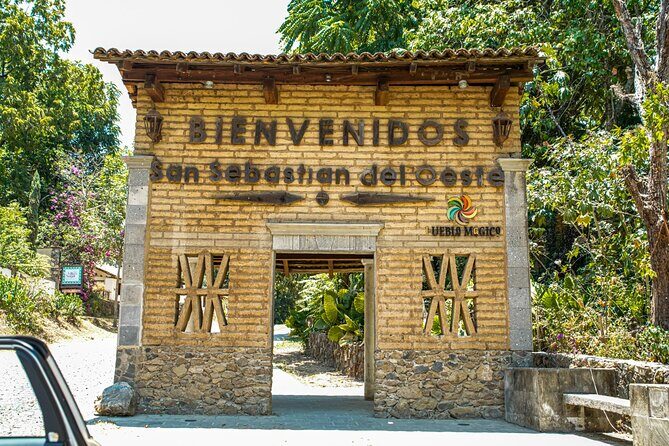
You’ll walk through San Sebastián del Oeste, a quiet Magic Town where narrow cobblestone streets, historic houses, and old haciendas connect to the area’s mining past.
The day also includes a real meal: lunch at typical restaurants plus traditional coffee, along with culture stops like a silversmith visit and Don Lalin’s tequila hacienda.
Key highlights worth planning for
- Hotel pickup from many Puerto Vallarta areas makes the day feel easy from the first minute
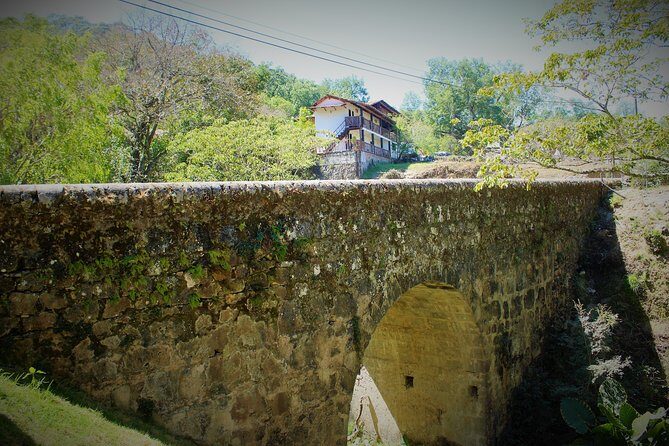
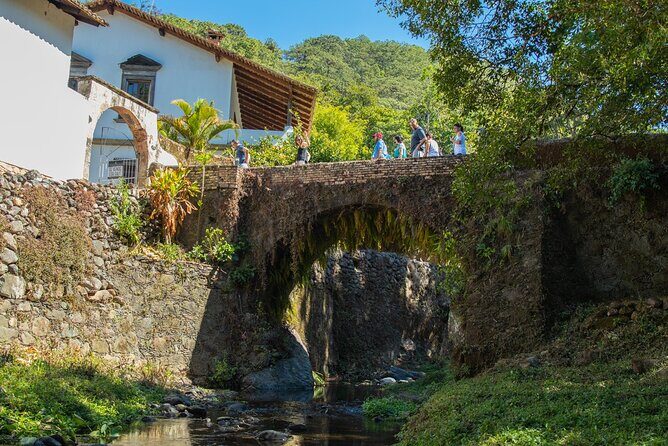
- El Progreso bridge views give you a dramatic sense of where the town sits in the mountains
- Cobblestone walking through historic streets is the main event
- Church, square, and city hall bring the town’s heart into focus
- Lunch plus traditional coffee means you’re not guessing where to eat
- Silversmith and tequila hacienda stops add craft and local flavors to the sightseeing
Hotel Pickup and the 10:00 am Mountain Start
This tour runs for about 7 hours, starting at 10:00 am, with round-trip transportation from your hotel. Pickup is available in many of the most common areas in Puerto Vallarta, including the South Zone, Downtown, Romantic Zone, Marina, and also places like Nuevo Vallarta, Vidanta, Punta Mita, and Cruz Huanacaxtle. If your hotel isn’t on the list, you’ll want to message ahead to arrange pickup at the nearest meeting point.
You’ll also get a mobile ticket, and the exact pickup time is sent after reconfirmation. That matters because Puerto Vallarta pickups can feel like a puzzle if you show up late to the hotel lobby. Keep your phone handy and be ready when they tell you the pickup is coming.
One practical note: breakfast and snacks aren’t included. Since the tour starts late-morning and is built around a lunch stop, I recommend eating a solid breakfast or brunch before you go. Bring your patience too. A mountain day trip is often more about the rhythm than the pace.
El Progreso Bridge: Your First Big View Stop
The ride up into the mountains is part of the appeal, but the tour gives you a true visual payoff at the famous El Progreso bridge. This is where you pause long enough to take in the scenery and understand what makes San Sebastián del Oeste feel different from the coast.
Why this stop works: it sets expectations early. You’re not just driving to a town. You’re driving into a higher, quieter world with a different pace and a different kind of history. The bridge viewpoint helps you make sense of why people have valued this area for centuries—mountain routes, old industries, and communities tied together by travel and trade.
Tip for making the most of the bridge moment: don’t rush it. If you’re taking photos, line yourself up for a few shots without blocking others. This stop is short compared to the walking time in town, so it is worth getting your angles right the first time.
Entering San Sebastián del Oeste: Cobblestones and Mining-Era Stories
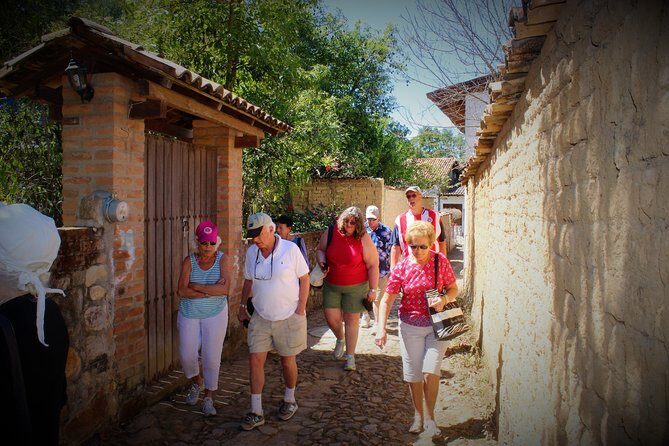
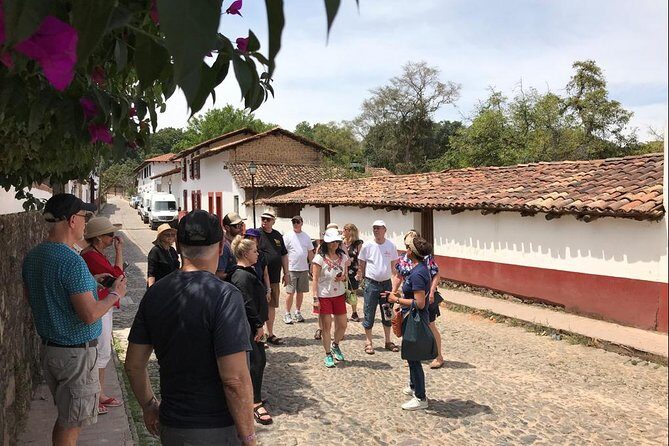
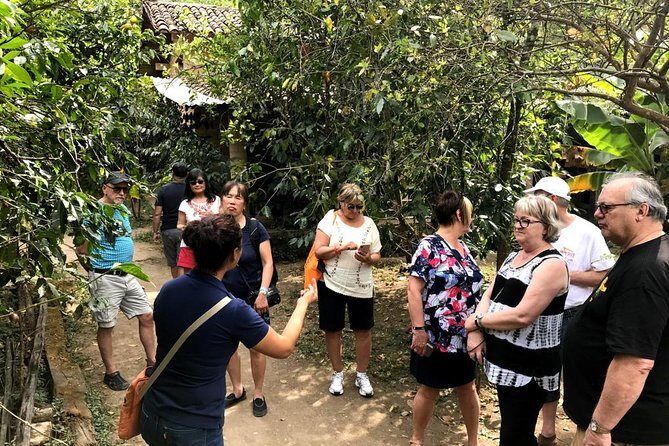
San Sebastián del Oeste is the kind of place where the “main street” is more of a slow walk. The tour takes you through narrow streets lined with historic houses and once-thriving haciendas, tied to the region’s mining heritage. Even if you’re not a history buff, the buildings help you read the story without needing a textbook.
The town’s tone is part of the value. This is a sleepy, quiet community, so you can actually hear your guide and focus on details while you walk. That is a big contrast from larger coastal stops where you spend half your day finding your way through crowds.
The key stops in town include:
- a charming church stop
- the lively square
- city hall
- time to wander historic streets at a comfortable pace
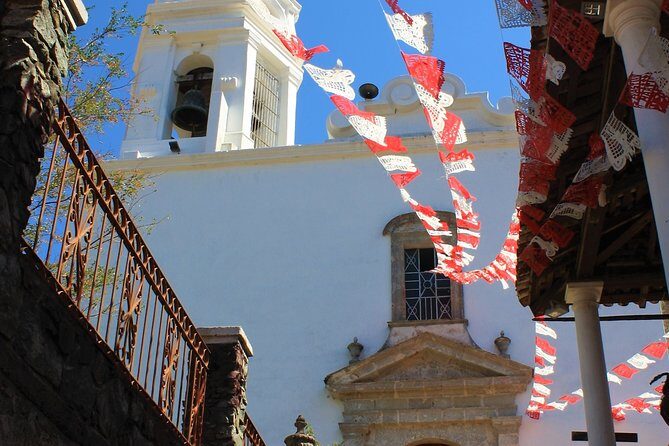
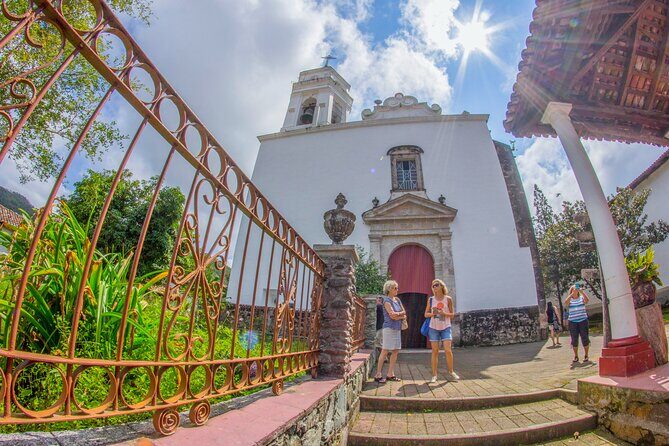
You’ll also come across Las Palmas church, which shows up as a standout in the day’s itinerary. I like church stops on tours like this because they act like time anchors. You see the architecture, you understand what “center of town” looks like here, and it gives context for why the square and civic buildings matter.
Because the streets are cobblestone, comfort matters. Wear shoes you trust on uneven ground. This isn’t a “sneakers optional” kind of outing.
The Town Tour Stops: Church, Square, and City Hall
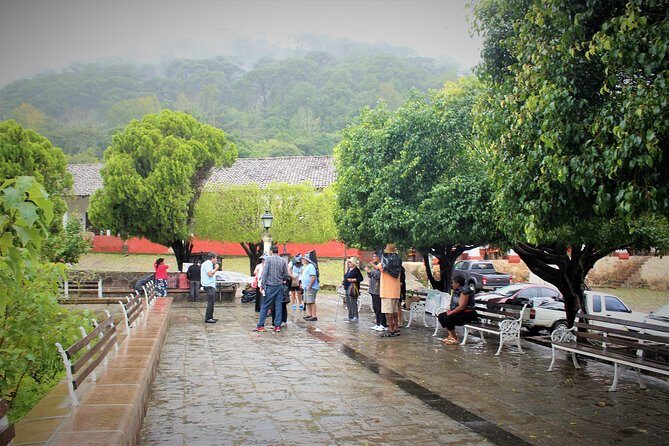
The structure of the walking time is simple, which is exactly what you want when you’re away from the coast. Your guide leads you through the town’s core so you’re not piecing it together on your own.
The church and Las Palmas church give you a sense of local religious life and the role churches played in organizing early communities. The square is where you can pause and look around without feeling like you’re on a deadline. And the city hall stop is a quick reminder that this is still a living town, not just a collection of photo spots.
What I like about this approach: it covers the “bones” of a small town. When you leave, you understand where the center is and why the town looks the way it does. You’re not just collecting snapshots. You’re collecting layout, context, and a few memorable buildings you can point to later.
Lunch and Traditional Coffee: The Included Break You’ll Appreciate
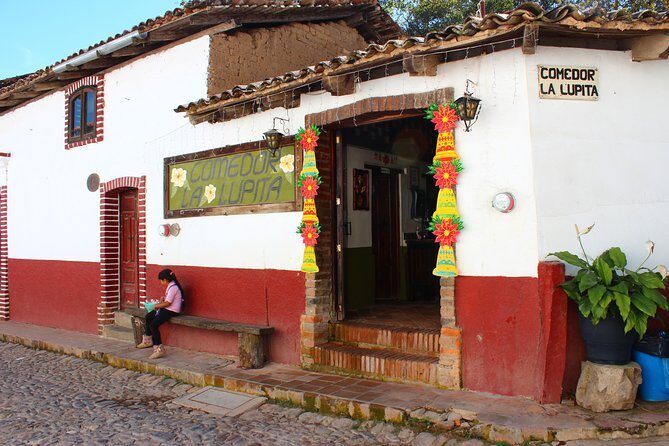
At some point during your time in the town, you’ll stop for lunch at typical restaurants. Lunch is part of what’s included as Foods, so you don’t need to make a decision in the middle of walking.
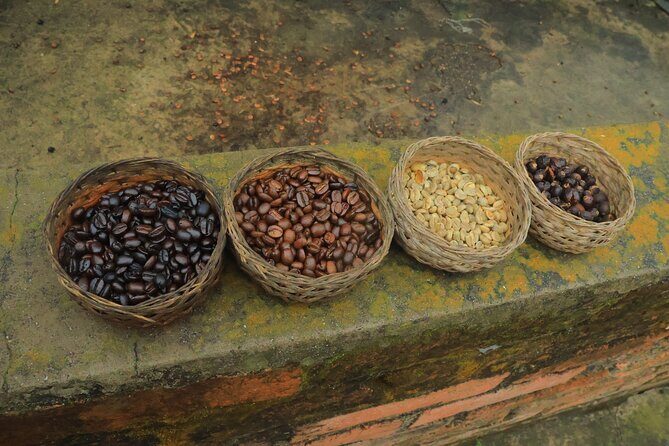
This is also where the tour leans into local flavor beyond a basic meal. You’ll taste traditional coffee, described as one of the region’s finest brews. For many people, that coffee moment is the most “you had a real day here” memory. It feels tied to the place, not just a standard tourist stop.
What to do before you go: don’t overthink it. You’ll get water and lunch as part of the package. Still, if you have a caffeine preference (or avoid certain drinks), mentally note that coffee is included in some form. If you don’t drink coffee, you can still ask for alternatives during the meal—just don’t expect every stop to have full flexibility.
Also remember: you’re given a bottled water for the day. It’s a small thing, but it helps when you’re walking in warm weather.
Silversmith Craft and Don Lalin’s Tequila Hacienda
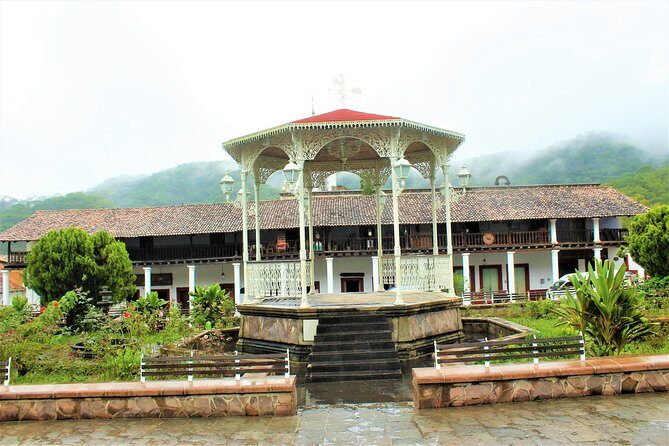
San Sebastián del Oeste isn’t just about old buildings. The tour also builds in two culture-flavored stops: a silversmith visit and Don Lalin’s tequila hacienda.
The silversmith stop is described as accommodating and friendly, and that detail matters. A lot of craft demos can feel rushed. Here, the tone is more about explanations and showing the process. Even if you don’t plan to buy anything, you’ll usually walk away with a clearer sense of why certain crafts matter to the region.
Then you get to Don Lalin’s tequila hacienda, which adds another layer. Tequila and haciendas are part of Mexico’s wider production story, and this stop helps connect local agriculture and craftsmanship to the kind of working life the area has long supported.
My advice for these stops: treat them like short lessons. Ask one question you’re genuinely curious about—how the craft works, how the production ties to the region, or what to look for in the finished product. You’ll get more out of the time that way, and you won’t feel like you’re just standing around.
Guide Quality, English, and Real-World Timing
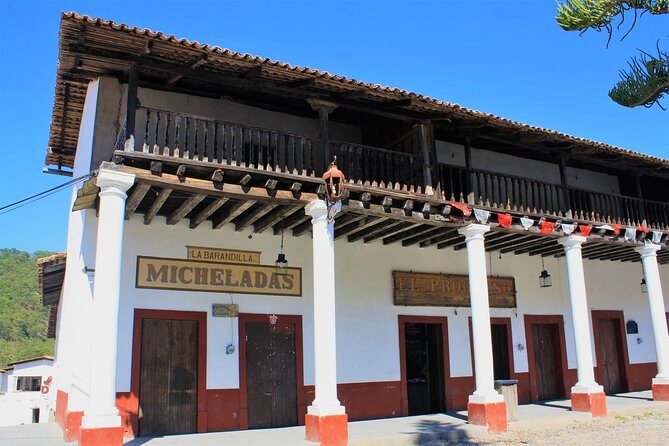
The tour includes a certified guide, and it is offered in English. In at least some cases, guides such as Jorge and Salvador have led groups with a warm, structured approach. I also saw that the support team can be very organized; Maricela Rodriguz is one name tied to thorough communication and keeping people in the loop.
One practical consideration: language clarity can vary from guide to guide, especially with background noise on the road. If you have any hearing challenges, it’s smart to sit where you can see the guide’s mouth and ask for repeat information when needed.
Timing is usually described as 7 hours total, but you should plan your day like a grown-up. Transport can be unpredictable. In real-world operations, mechanical issues can happen, and at least one departure ran longer than expected due to a bus problem. If you have a dinner reservation the same evening, don’t book the tightest time slot you can find.
The tour caps at 50 travelers, which helps keep the group manageable for walking and listening. Still, you’ll spend real time in a group setting, so bring your “quiet day” mindset.
What You Really Pay: $82.10 and What’s Included
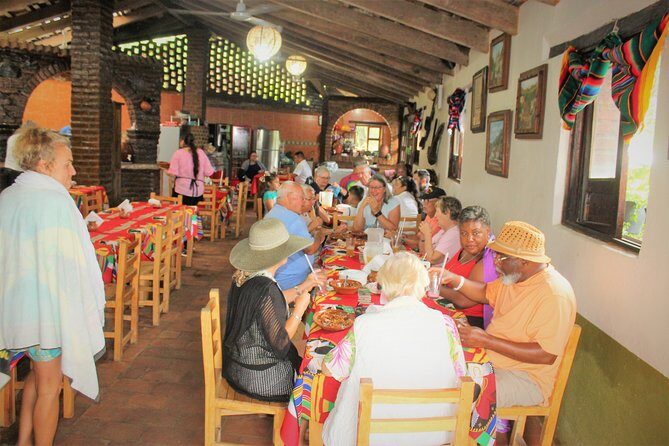
At $82.10 per person, the value is driven by three things you get without extra planning:
- Round-trip transportation from your hotel (in many key areas)
- a certified guide
- foods (including lunch) plus traditional coffee, and a water bottle
When a tour includes both transportation and lunch, it usually turns the day from “I have to figure it out” into “show up and go.” That is the kind of deal that saves time and keeps you from hunting for food once you’re already tired from the drive.
What’s not included is also clear: snacks and breakfast. That means you’ll still handle some personal needs on your own. The good news is that it’s easy to plan for that. Eat before you go, and use lunch as the main break.
Also, this activity depends on good weather. If conditions aren’t right, you should expect rescheduling or a refund option. That’s not unusual for mountain-area tours, but it’s worth knowing so you’re not shocked if the day plan changes.
Who This San Sebastián del Oeste Tour Fits Best
I think this tour fits best if you want a quiet, cultural mountain day. If your ideal trip is walking cobblestone streets, seeing churches and civic buildings, learning how mining shaped the town, and then ending the day with local flavors, you’ll probably love the flow.
It is also a strong pick if you like hands-on stops. The silversmith visit and Don Lalin’s tequila hacienda aren’t just filler. They add craft and production context so the day isn’t only “look and move on.”
If you’re the type who needs nonstop energy, you might find the town slower than Puerto Vallarta’s coastline rhythm. San Sebastián del Oeste is meant to be taken at a walking pace, with time to look and listen.
Should You Book This San Sebastián del Oeste Tour?
If you want an organized way to visit one of the mountains’ most well-known towns—complete with hotel pickup, a viewpoint at El Progreso, a guided walk through church, square, and city hall, and an included lunch plus traditional coffee—this is a solid buy for $82.10. The added craft stops make the day feel complete, not rushed.
I’d hold off only if you have a very strict schedule that cannot bend. With a long road day and the occasional chance of transport delays, you’ll want breathing room for the ride back. If you can keep your evening flexible, this tour is the kind of day trip that actually changes your perspective on Puerto Vallarta—sea on one side, mountain life on the other.
FAQ
What is the duration of the San Sebastián del Oeste tour?
The tour lasts about 7 hours.
What time does the tour start?
The start time is 10:00 am.
Is hotel pickup included?
Yes. Round-trip transportation with hotel pickup is included for most hotels in the Puerto Vallarta South Zone, Downtown, Romantic Zone, Marina, Nuevo Vallarta, Vidanta, and Punta Mita y Cruz Huanacaxtle.
What if my hotel is not in the listed pickup areas?
Send a message to arrange pickup at the nearest meeting point from your hotel.
What language is the tour offered in?
The tour is offered in English.
What is included in the price?
Included items are round-trip transportation from the hotel, a certified guide, a water bottle, a tour in the town, and foods.
Is lunch included?
Yes. Lunch is included as part of the foods provided.
Is bottled water provided?
Yes. You’ll receive a water bottle.
Are breakfast and snacks included?
No. Breakfast and snacks are not included.
Does weather affect the tour?
Yes. The experience requires good weather. If it’s canceled due to poor weather, you’ll be offered a different date or a full refund.
How large is the group?
The tour has a maximum of 50 travelers.
]]>Second, I like the structure of the day: walk the town in the morning, learn about coffee at a traditional hacienda, then finish with tastings and a family-owned lunch. It’s a nice change of pace from a typical beach day, and the small group size (max 15) keeps it friendly.
One thing to keep in mind: the schedule can run long and some stops can feel more purchase-focused than educational. If you’re the type who hates sales talk or you’re trying to be strict about your timing, plan with flexibility.
Key points at a glance
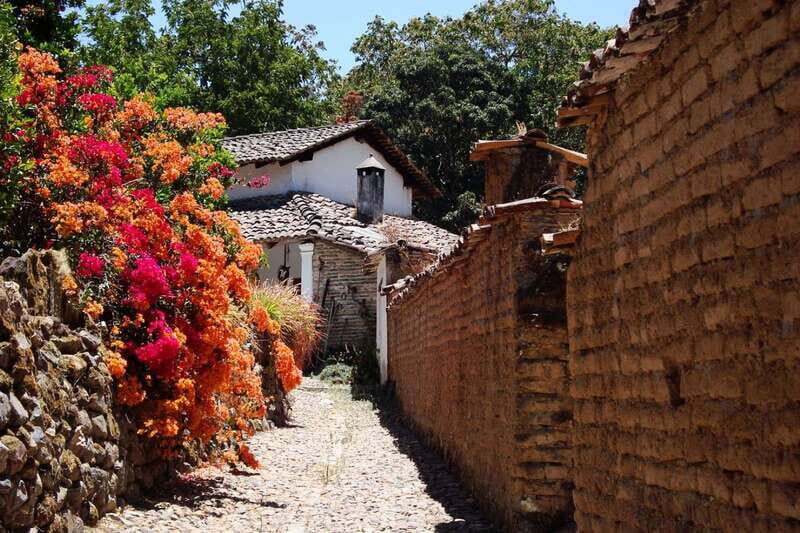
- San Sebastián founded in 1605, tied to the San Juan mine that closed in 1921
- Traditional coffee hacienda visit focused on Mexican coffee production
- Tequila House tasting of Jalisco-style tequilas and homemade liquors
- Mexican lunch at a family-owned restaurant
- Small group capped at 15 with a bilingual guide (Spanish/English)
- Door-to-door pickup and drop-off from most Puerto Vallarta hotels
The Puerto Vallarta to San Sebastián day trip that trades beaches for real village life
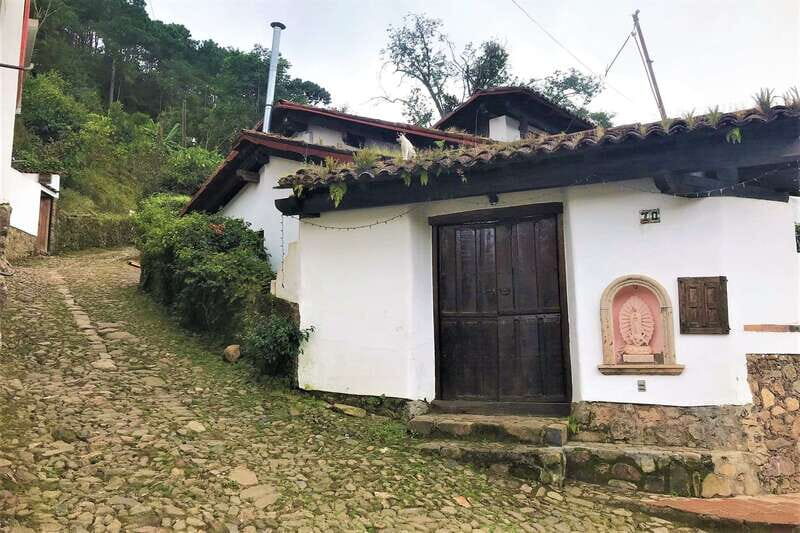
From Puerto Vallarta, you’ll head west into the mountains and forests of Jalisco. The ride itself is part of the fun, especially if you like seeing how life changes once you leave the coast. This tour is built for people who want more than a quick stop and a photo op.
You’re going to San Sebastián, one of Jalisco’s Magic Villages, but it’s not a theme park. It’s an old mining village on the western side of the state, founded in 1605—with a long link to mining that shaped the town’s layout and character. You can feel that as soon as you start walking.
How the morning drive sets up the tone
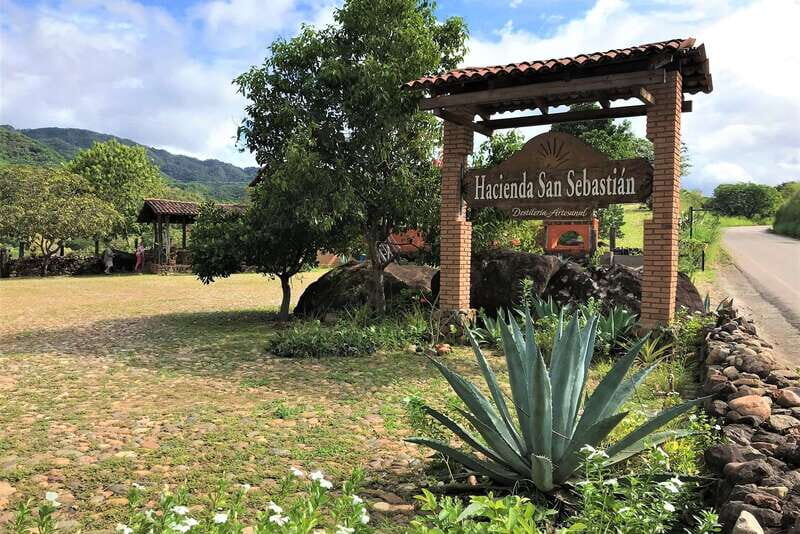
Expect a full-day outing lasting about 7 hours, with hotel pickup from selected spots in Puerto Vallarta. You’ll be asked to be in the lobby at least 15 minutes before your scheduled pickup time. Since the tour timing can vary, I suggest you keep your morning plans loose.
On the road, the scenery does the heavy lifting: hills, forest edges, and that “wait, we’re really going inland” feeling. One review highlighted the ride up through the countryside and into the hills, and that matches what the route is designed to deliver. If you’re prone to motion sickness, this is worth noting—just bring what you need.
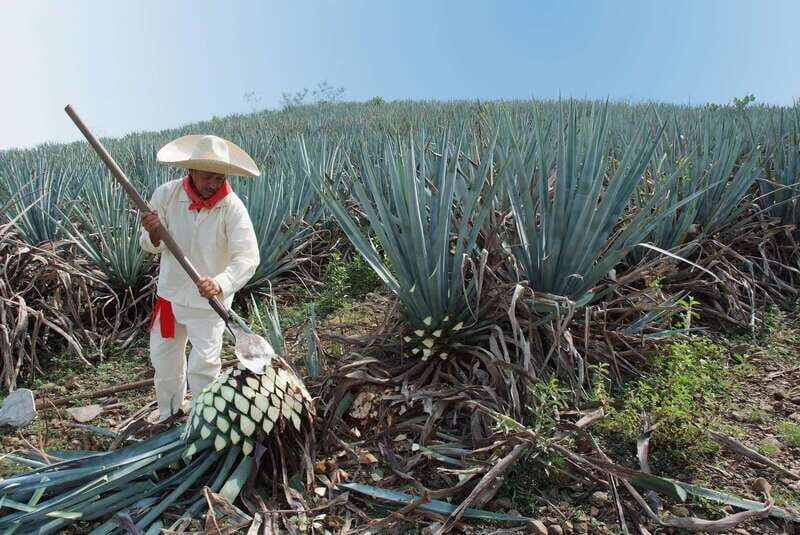
And yes, there’s room for small lessons during the drive. At least one guide-led day includes talk about agave growing before you reach the tequila side of the itinerary. Even if you already know tequila basics, it helps you connect the plant to what you’ll taste later.
Walking San Sebastián: the mining-town story in real streets
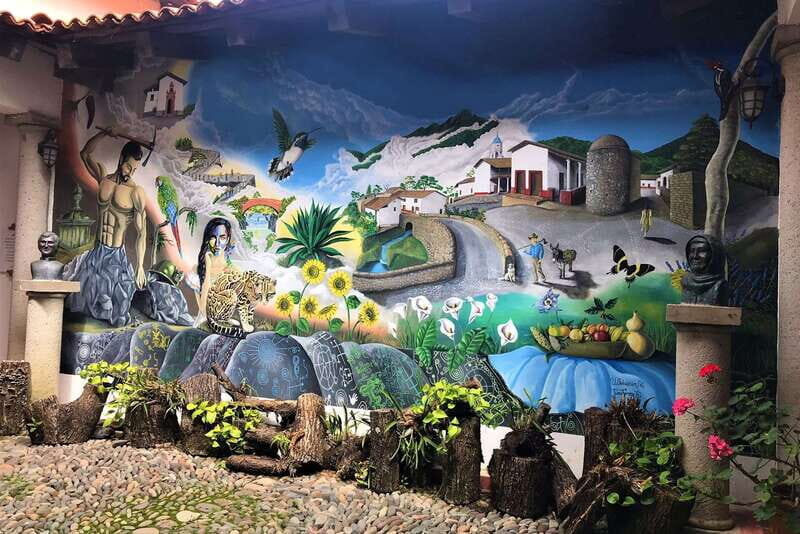
The heart of the tour is your stroll through San Sebastián. This is where the guide can make or break the experience, because the difference is simple: you’ll either wander a pretty village, or you’ll learn why it looks the way it looks.
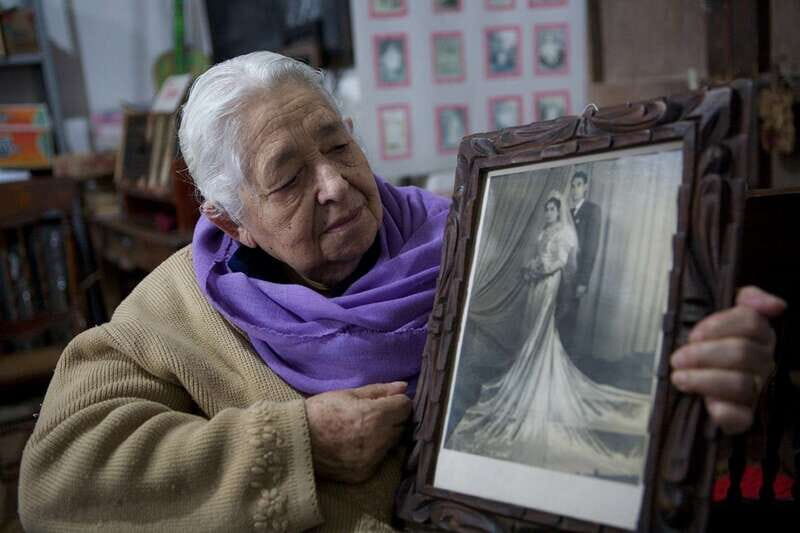
San Sebastián’s story centers on mining—specifically the San Juan mine, which was the last of its kind to shut down in 1921. When you walk with that context, details start to click: the town’s historic feel, the way the past lingers in daily life, and why the village became what it is.
This is also one of those places that rewards a slow pace. The charm is in the way the town feels tucked in the forest and still has that joyful, lived-in mood. If you like chatting with locals, taking your time with photos, and listening more than shopping, this stop is the one you’ll probably remember most.
What to watch for: the tour is built on walking. The activity isn’t listed as suitable for people with mobility impairments, wheelchair users, or anyone with recent surgeries. Comfortable shoes matter here, because you’ll want steady footing for uneven streets and outdoor time.
The coffee craft-hacienda stop: what you learn and what you might miss
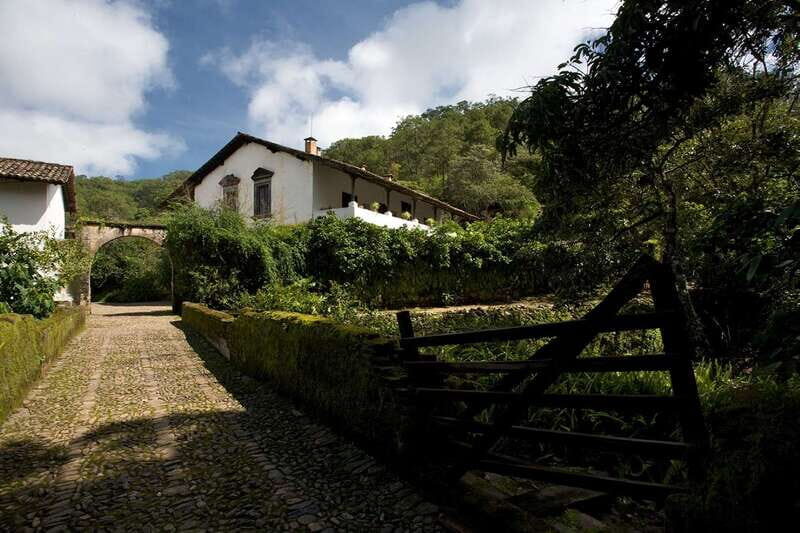
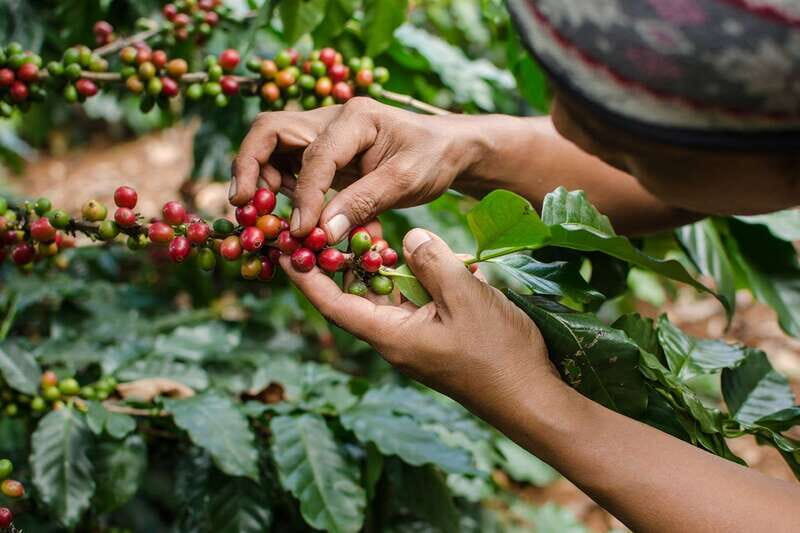
Next comes the traditional coffee hacienda. This is where the day shifts from town history into production—and it’s a smart choice, because it gives you something tangible to connect to Jalisco’s rural life.
What you can expect from this part:
- A tour of the hacienda focused on Mexican coffee production
- A chance to see coffee as a process, not just a cup of it
- Time that can feel more educational than you’d get on a simple tasting-only visit
That said, one review raised a concern: the coffee stop didn’t feel fully informative for them and seemed more like a selling opportunity (with buying time replacing learning time). That doesn’t mean every day is the same, but it does mean you should go in with the right expectations.
My practical advice: treat this stop as a guided look at how coffee fits into the region. If your dream is deep, step-by-step coffee science, you may want a more specialized coffee tour. But if you enjoy cultural context and want a genuine hacienda experience, this can still be a satisfying chapter of the day.
Tequila House tasting: the part people remember
Then you’ll head to the Tequila House for a tasting. This is your chance to sample tequilas and homemade liquors from Jalisco, with the story of what you’re tasting explained by your bilingual guide.
This is usually the most “fun” part of the itinerary because tastings naturally turn into conversation. You can ask questions about flavor differences, how tequila culture fits into Jalisco life, and what you should pay attention to when you taste.
One reviewer called the tequila place fun, and another highlighted that they learned about agave growing, which often pairs well with tequila tasting. If that’s the style of guidance you get, you’ll leave with more than just a few sips—you’ll have context.
Small note on enjoyment: tastings make it easy to overestimate how quickly you’ll get sleepy later in the day. Plan water breaks and pace yourself so you still enjoy the rest of the tour.
Lunch at a family-owned restaurant: comfort food with local personality
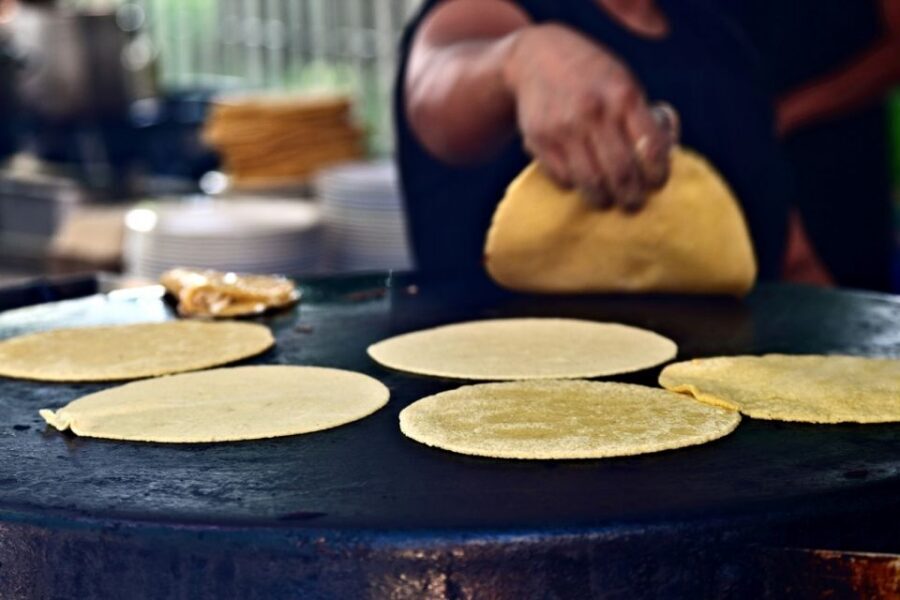
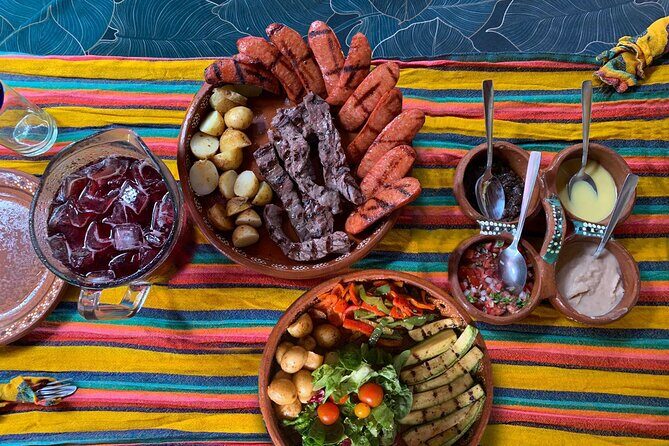
Lunch is served at a traditional restaurant that’s described as family-owned. This is one of those “good value included” moments: you’re not spending extra time searching for food in a new town, and you’re eating something meant to represent Jalisco rather than a generic tourist menu.
In the best case, lunch is the calm middle that keeps the day from feeling rushed. But keep your expectations realistic: one review reported an issue with orders and pacing, where some guests didn’t receive food until much later and one dish wasn’t prepared in a way that worked for them. That’s not something you can control as a guest, but it’s a heads-up that lunch service can be imperfect on some days.
How to make lunch work for you:
- Bring patience and don’t schedule a tight plan right after the tour.
- If you have spice sensitivity or food constraints, consider communicating needs when you can (even small hints can help).
Price and value: is $89 a fair deal for 7 hours?
At $89 per person for about 7 hours, this tour is in the “worth it if it matches your day” category. You’re paying for more than a drive. The included package covers:
- Hotel pickup and drop-off (from most Puerto Vallarta hotels)
- A bilingual guided tour
- Tequila tasting
- Coffee craft-hacienda visit
- Mexican lunch
That bundle matters because door-to-door transport costs money on your own, and you don’t have to figure out timing between stops. Also, the small group size (max 15) makes the day feel more personal than large bus tours.
Is it perfect value for everyone? Not if you’re primarily after pure education with zero sales energy. If you want a highly detailed coffee lesson or you hate any purchase-oriented stop, you might feel less satisfied. But if you want a full cultural day with tastings and a village walk, $89 doesn’t feel out of line.
Timing, shopping stops, and how to keep control of your day
A theme in the overall experience is that the tour includes hands-on tastings and learning stops, but it may also include time where sales pressure can creep in. One review described feeling pressured during a gem-related stop and time spent where buying seemed the point.
I’ll translate that into practical advice: if you want to buy something, great. If you don’t, treat those stops like a short break, not a decision trap.
- Bring a clear budget before you arrive
- Decide ahead of time if you want to purchase alcohol or coffee products
- If you’re not buying, keep your distance from sales patter and focus on the tasting or the guide’s explanations
Also, pay attention to the pickup/time reality. One review reported confusion with the pickup start time and said the day felt much later than expected. You can’t always prevent that, but you can reduce stress by keeping your first plan of the day flexible and not stacking a reservation immediately before pickup.
What to bring for comfort in the San Sebastián hills
This tour is outdoors and involves walking, so pack like it’s a warm, sun-heavy day. Bring:
- Sunglasses
- Sun hat
- Camera
- Biodegradable sunscreen
- Comfortable clothes and comfortable walking shoes
- Bottled water (and bring your own if you like)
- Cash (for personal expenses)
Due to COVID-19, masks are mandatory during the activity, and you’ll want your own mask and alcohol-based hand rub. Even if restrictions change later, it’s safest to follow what’s required for your specific departure.
Little practical tip: use sunscreen early. If you wait until you’re already warm, you’ll still burn while you’re thinking you’ll apply it “after the next stop.”
Who should book this tour, and who should skip it
This is a good fit if you:
- Want a full-day experience that combines town walking + production tastings
- Like local guides and story-based sightseeing
- Enjoy small groups and bilingual explanations
- Are curious about how coffee and tequila connect to regional life in Jalisco
It’s not a good fit if you have mobility limits. The tour is not suitable for:
- Pregnant women
- People with mobility impairments
- Wheelchair users
- People with recent surgeries
- People with low level of fitness
If you’re in the “able to walk for a good chunk of the day” category, you’ll likely enjoy it more.
Should you book the Gray Line Vallarta San Sebastián tour?
I’d book it if your ideal day from Puerto Vallarta looks like this: a mountain drive, a historic village stroll with real context, a hacienda visit, and a tequila tasting that ends your day on a friendly note. The included transport, small group size, bilingual guide, and included lunch make it simple and often good value for a one-time day trip.
I’d hesitate if you’re very sensitive to schedule slips or you specifically want deeply detailed coffee instruction with minimal sales energy. In that case, you might still enjoy the town and the tastings, but you may not love the “learning vs. buying” balance.
FAQ
FAQ
How long is the San Sebastián tour from Puerto Vallarta?
The tour lasts 7 hours.
What languages are the guides?
The tour includes a live bilingual guide in Spanish and English.
Is pickup and drop-off included?
Yes. Pickup and drop-off are included at selected hotels in Puerto Vallarta, from most hotels. You’ll need to provide your hotel name and full address when booking.
How big is the group?
It’s a small group limited to 15 participants.
What’s included in the price?
Included are pickup and drop-off, a bilingual guided tour, tequila tasting, a coffee craft-hacienda tour, and a Mexican lunch.
Is tequila tasting included?
Yes, tequila tasting is included and happens at the Tequila House.
Is lunch included?
Yes, lunch is included and is described as a traditional Mexican dish served at a family-owned restaurant.
What should I bring?
Bring sunglasses, a sun hat, a camera, biodegradable sunscreen, cash, and comfortable clothes. Wear comfortable walking shoes, and bring bottled water. Masks are mandatory for the activity due to COVID-19, so bring your own mask and alcohol-based hand rub.
Who is this tour not suitable for?
It’s not suitable for pregnant women, people with mobility impairments, wheelchair users, people with recent surgeries, or people with low level of fitness.
Can I cancel and get a refund?
Yes. Free cancellation is available up to 24 hours in advance for a full refund.
]]>What I like most is how you get two very different “Puerto Vallarta trips” in one day: the colonial side in San Sebastián del Oeste, then the Extreme Adventure side with zip lines, high ropes, rappel-style elements, and off-road Polaris rides. I also appreciate the practical safety approach—safety gear is included, and the guides focus on getting you strapped in correctly before anything exciting starts (names like Hessa, Danny, Charley, and others came up for being attentive and organized).
The main drawback is simple: this is for people with solid fitness. You’ll hike and walk a lot, there are height-based challenges, and the rules are strict if you have heart disease or back/spine/knee problems.
Quick hits before you go
- San Sebastián del Oeste town time: cobblestone streets, a church visit, and free time to wander the main square.
- Coffee plantation stop: a small, family-owned farm visit that ties the region to decades of growing and processing.
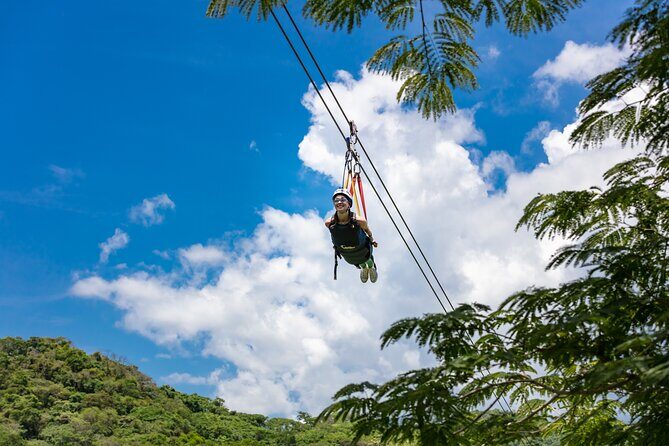
- High-adrenaline course: zip lines plus big “fear-of-heights” moments like the Pendulum jump and tree-top rappel.
- The Superman zip line: a long run (1.2 km) with speeds reported up to 70 mph.
- Polaris off-road fun: Polaris 4×4 RZR routes through mountain trails, with dust and real trail feel.
- Skydiving simulator: included as a zero-gravity style experience to cap the adrenaline.
San Sebastián del Oeste: cobblestones, coffee, and mountain-time history
San Sebastián del Oeste isn’t a quick photo stop. You’ll travel up into the mountains first, then spend about the same time there as on the drive—around 90 minutes to 2 hours each way, with roughly a 4-hour block in town. The altitude and the cloud-forest feel matter here. Even before you do anything “adventure,” the whole place slows your brain down.
Your morning begins with a visit to a small coffee plantation. This isn’t a big factory tour. It’s described as family-owned for decades, which gives you a grounded sense of why coffee fits the local culture. You also get a snack early on, which is a smart move because the day ahead is active.
Then you’ll get a brief introduction to the town’s architecture, history, and culture. After that, you’ll have free time to explore at your own pace. I like this format because you’re not stuck in a rigid script. You can walk the cobblestone street, pop into the charming church, and just hang out in the mood of past centuries.
One practical note: the town experience is not just “look and leave.” You’ll actually feel like you’re there long enough to do a few small things—coffee stop, guided orientation, then unhurried wandering. If you like places where the architecture tells the story, this part is worth taking slowly.
The Extreme Adventure park: zip lines, big ropes, and the 70 mph Superman
After San Sebastián, your combo shifts gears hard. This portion runs about 4 hours in the Sierra Madre nature reserve area of Las Palmas de Arriba. The activities are stacked: steep hiking segments, zip-line sliding, a waterslide, and multiple high-ropes elements.
Here’s what to expect in plain terms:
- You’ll move uphill and on uneven ground. It’s not just sitting on a platform waiting for your turn.
- You’ll do zip lines in sequence, including longer runs and short transitions that get you used to the harness and motion.
- You’ll hit a climbing element: a 65-meter mesh rope is listed, which signals that you’ll need upper-body grip and comfort with height.
- You’ll do rappel-style work from a tree-top platform. That means controlled descent while you’re above the ground, not just a simple slide.
- You’ll face “fear of heights” type challenges like the Pendulum jump.
And yes, the headline run is the Superman zip line—listed as 1.2 km, with speeds up to 70 mph reported. If you’ve done smaller zips before, this is the one that makes it feel like a real event.
One detail from the experiences you might encounter: some groups start with shorter zip lines and a canopy “monorail rollercoaster” style ride through the trees before hitting the bigger drops and long lines. That’s not guaranteed as your exact sequence, but it matches how the day can roll—use it as a heads-up that the park can feel like multiple mini-adventures strung together.
The staff and guide teams have a strong safety vibe, and the safety gear is included: helmet, harness, gloves, and goggles. In real life, that matters because the course is complex. When everyone is wearing the right gear and the guides run a tight system, you spend less time worrying and more time enjoying the ride.
Tree-top rappel, Pendulum, and the fear-of-heights moments
This combo isn’t built around gentle, low-to-the-ground fun. It explicitly includes fear-of-heights-style elements like the Pendulum jump. It also includes high rope work and a tree-top rappel platform, so your brain will be dealing with height the whole time.
I recommend treating this part like a skill practice, not a test of toughness. If you follow instructions closely, wear your gear properly, and keep your breathing steady, the fear moments tend to feel more manageable. Also, if you’re the type who freezes when you think too much, focus on simple actions—clip, check, breathe, move.
If you’re worried about heights, you’re not alone. The good sign here is that the park includes multiple guided high elements in one session. You’re not being thrown into one terrifying thing with no buildup.
But if you have heart disease or back/spine/knee problems, the tour rules say you can’t participate. That’s not a paperwork detail—it’s your body’s reality on harness work, rappels, and repeated climbing.
Polaris RZR off-road trails: power, dust, and real mountain grit
Once the zip-line and rope segments get your heart rate up, you finish with an off-road thrill using Polaris 4×4 RZR vehicles. The route is described as fierce mountain terrain through trails. That word “powerful” matters because this isn’t a flat, paved track.
Here’s what you should expect:
- You’ll ride over uneven ground where the vehicle bounces and sways.
- It can get dusty, since one of the most repeated takeaways is that you’ll feel the trail environment.
- Even if you’re not driving, you’ll still experience the ride forces as the vehicle moves through the mountain paths.
UTV rules are specific: drivers must be 18+ and present a valid driver’s license. Driver’s permits aren’t allowed. If you’re traveling with someone who wants to drive, plan for that document requirement early so you don’t lose time at check-in.
Off-road is also a great “last act” because it turns the day into movement again. After harness and height, you get speed and ground-level sensations. It’s a different kind of thrill and it helps the whole combo feel complete.
Lunch in San Sebastián: traditional food with a town setting

You don’t just get adrenaline food logistics. Lunch is included as a traditional Mexican meal in San Sebastián del Oeste. That matters because it keeps the day from turning into a snack hunt between activities.
From the descriptions and feedback, the lunch can be substantial—one person specifically called out that the grilled snack mentioned in the general write-up ended up being a full lunch. Translation: you should plan on eating like you’re an active person today.
You may also pick up small things in town while you explore. A peanut brittle shop stop popped up in experiences, and it’s the kind of souvenir snack that makes sense for a day where you’ll be moving a lot.
If you want one practical strategy: eat slowly before the park portion. After adrenaline begins, you may not feel like thinking about food again until the end.
Timing, group size, and why the day feels like it flows
This tour runs about 8 hours total, starting at 8:00 am. Your day is split into two main blocks: the San Sebastián del Oeste time and the Extreme Adventure park time, each designed to fit a full day without dragging.
Group size is capped at 28 travelers. That’s meaningful because high-adrenaline courses can feel chaotic when groups are too large. A smaller group usually means more attention per person during harness and safety checks, and shorter waits between activities.
Fitness matters more than you might think, because you’ll do hiking and climbing in addition to harness tasks. If you’re okay with steep walking and gripping onto equipment when asked, you’ll likely have a smooth time. If you’re not used to active days, this could feel like a lot all at once.
Also note the physical restrictions: strong fitness level is required, and people with heart disease or back/spine/knee problems can’t participate. If you’re on the edge physically, consider whether your knees and hips are ready for repeated climbing and descending tasks.
Safety and gear: what’s included and what you should double-check
The tour includes safety equipment: helmet, harness, gloves, and goggles. That’s a big deal for a multi-activity course because you can’t just “wing it” from ride to ride. It’s built to keep you consistent.
What I like is that guides are repeatedly described as making sure the group is safe. Names like Charley, Hessa, and Danny came up in feedback for being organized and supportive. That tells me the instruction style is part of the product, not just the equipment.
Before you start, listen hard when they explain harness checks and how they want you to move through each segment. For high ropes and rappel-style elements, doing things their way usually means less stress and fewer surprises.
One more practical detail: there’s a collision damage insurance fee that is not included—listed as $50 per person. That usually gets charged because the vehicles are off-road. It doesn’t have to ruin the day, but it should be part of your budget math so you’re not surprised at the park.
Photos, the Superman video, and how to protect your memories
At the end, there’s time related to photos and the chance to purchase pictures and videos from the day. That’s standard for adventure parks, but it also means you should be ready to check your media quickly.
One real-world issue came up: someone had trouble getting the correct Superman video because emails weren’t answered right away. The fix was shared with a specific contact:
- [email protected]
- 322 29 71212 ext: 1434
So here’s my practical advice: when you get your photo/video access, verify it early. If something looks wrong, reach out right away using the contacts above. Waiting weeks tends to turn a minor glitch into a bigger headache.
Who should book this combo tour (and who should skip)
This is best for:
- Adventure seekers who want zip lines, ropes, and real off-road riding, not just scenic sightseeing.
- Active adults and teens who can handle walking and climbing as part of the experience.
- People who enjoy guided structure but still want free time in a real town.
This is not the best fit if:
- You have heart disease or back/spine/knee problems, since the tour rules exclude those conditions.
- You’re not comfortable with height-based challenges like Pendulum and the tree-top rappel.
- You don’t do well with steep hiking and climbing.
One extra note: the minimum height is 4 ft / 1.2 m with no exceptions, and children are measured on arrival. So if you’re bringing kids, plan around that measurement rule.
Should you book this combo tour?
I’d book it if you want a full day that feels like two different sides of Mexico in one go: colonial mountain town life, then adrenaline in the Sierra Madre. The value looks strong on paper because you’re paying for a guided town visit, a traditional lunch, and an entire multi-activity adventure course plus Polaris off-roading.
You should pause before booking if you’re injury-prone or worried about height and climbing. The tour’s physical rules and the type of course elements mean you can’t treat it like a casual excursion.
If you’re fit, curious, and you like doing the next thing before the day gets boring, this combo is the kind of trip that sticks in your mind.
FAQ
FAQ
How long is the Puerto Vallarta Combo Extreme Adventure plus San Sebastián tour?
It’s about 8 hours total, starting at 8:00 am.
What do you do in San Sebastián del Oeste during the tour?
You visit the colonial town of San Sebastián del Oeste, stop at a small family-owned coffee plantation, enjoy a snack, learn about the town’s architecture/history/culture with a guide, and then have free time to explore, including the cobblestone street and a church. Lunch is also included there.
What Extreme Adventure activities are included?
You’ll do a multi-activity challenge course with steep hill hiking and multiple adrenaline activities such as zip lining, a waterslide, climbing a 65-meter mesh rope, rappel from a tree-top platform, the Pendulum jump, the Superman zip line (1.2 km), a skydiving simulator, and an off-road Polaris 4×4 RZR ride.
What are the height and weight limits?
The minimum height is 4 ft / 1.2 m with no exceptions, and all children are measured upon arrival. The maximum weight is 260 lbs / 118 kg.
Can I drive the Polaris RZR?
Yes, but drivers must be 18 years old or older and have a valid driver’s license. Driver’s permits are not allowed.
Is the collision damage insurance included in the price?
No. A collision damage insurance fee of $50.00 per person is not included.
]]>What I like most is the combo of guided stops and free time to wander on your own. Expect tequila tasting plus room to enjoy local food and little shops, and guides like Jorge, Eric, Gustavo, and Candy often shape the day with stories and local context. The main downside to plan for is time in the car—one review noted about 1:45 each way—and lunch plus drinks are on you.
Key Points at a Glance
- Door-to-door private pickup and return from your accommodation in Puerto Vallarta
- Group pricing (not per person): $450 per group, up to 7 people
- Tequila tasting included, with the day also working for people who do not want alcohol
- About two hours in San Sebastián del Oeste, plus time for local browsing and photo stops
- Guides vary by date, but named favorites include Jorge, Eric, Gustavo, and Candy
- San Sebastián del Oeste admission is free for the stop
A Mountain Town Day Trip With Your Own Van
Puerto Vallarta is loud, beachy, and fast. This is the opposite. You trade the coastline for a mountain town day where the pace drops and you can actually take in what the town feels like, not just pass through it.
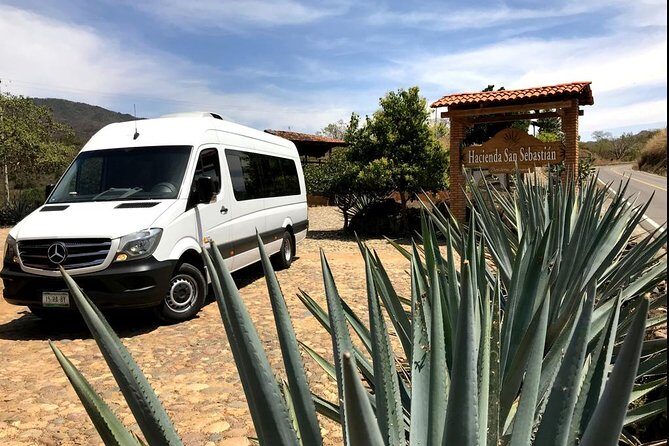
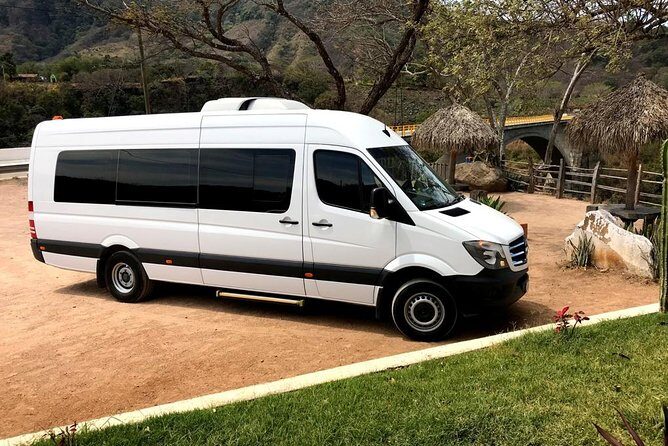
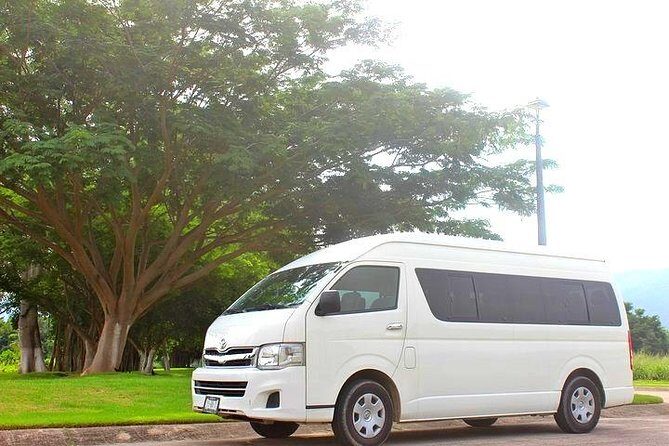
The biggest practical win is the private van setup. Your driver and guide pick you up and bring you back to your place, so you don’t have to figure out buses, timing, or backtracking. In a group, it also makes pricing feel more sane because the cost is per group, not per person.
One more detail that matters for comfort: you can choose a 7-, 13-, or 18-passenger van, depending on your group size. That helps keep the day from feeling cramped, especially on the longer ride up and back.
San Sebastián del Oeste: What Two Hours Feels Like
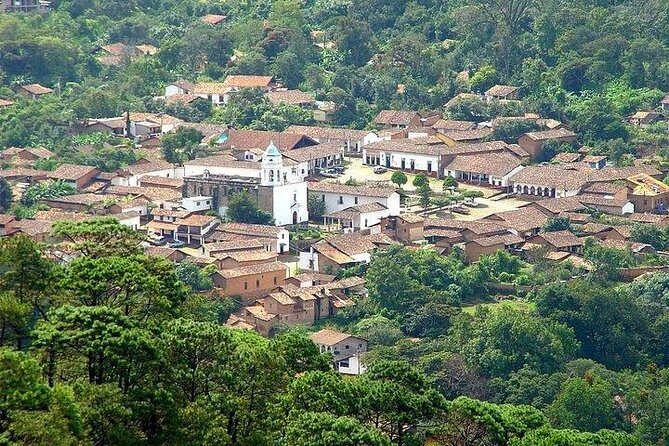
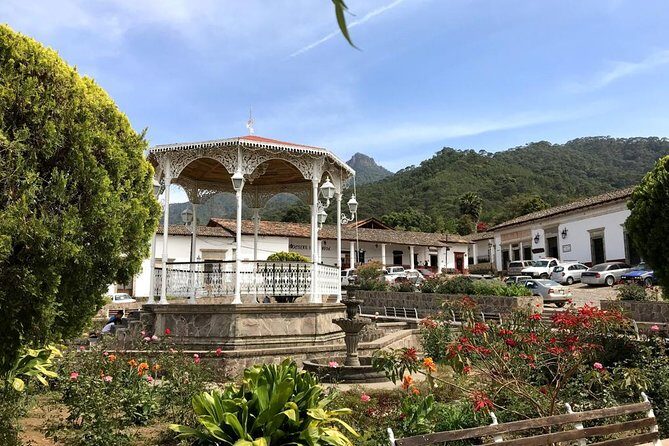
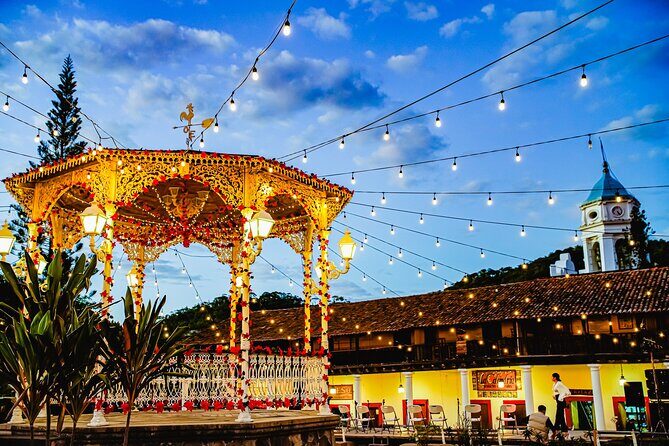
San Sebastián del Oeste is the kind of place where you come for the mood. Think small-town streets in the mountains, with a town square, a church, and enough craft and gift shops to keep you curious without turning it into a race.
You’ll have about two hours at the town stop. That’s long enough to do the essentials—walk the square, pop into shops, take pictures, and find a spot to pause. It’s also short enough that you don’t feel stuck in one place while the rest of your day happens somewhere else.
A useful way to enjoy those two hours is to split your time into chunks. Give yourself time for a slow loop first, so you can pick what you actually want to buy or photograph. Then come back for shopping if you still feel like it. It keeps the day from turning into random wandering.
Tequila Tasting and the Food-and-Drink Stops That Make It Real
This tour includes tequila tasting as part of the experience. The exact style of tasting varies by stop, but it’s built into the day rather than being an add-on you have to decide later. One nice thing: the way the day is set up can work even if your group doesn’t drink alcohol, since the main point is experiencing how local producers do what they do.
In practice, this is where the tour shifts from sightseeing into real-life local culture. Some groups get extra value from stops like a local bakery, a tequila shop or distillery-style visit, and time connected to coffee and chocolate producers. Even if your group doesn’t buy much, these stops help explain why the region has a reputation beyond just scenery.
If you’re the type who likes to bring home a story, this is your moment. Try a small purchase if something catches your eye. Otherwise, use the tasting and the producer visits to learn what to look for later when you’re in Puerto Vallarta’s souvenir markets.
Price and Value: $450 Per Group Can Be a Great Deal
The price is $450 per group (up to 7 people). That sounds like a lot until you do the math for a private van day. With four to six people, the cost per person usually lands in a range that feels fair for a full private transport day with a guide and return service.
Here’s the key value piece: you’re paying for the van and guide as a bundle. You’re not paying a per-person tour fee on top of that, which changes how the day feels if you’re traveling with friends or family. In other words, this tour is often best when you can fill seats.
It’s also the kind of day where you stop wasting time. A shared excursion can mean long waits and awkward schedules. A private group means the day stays smooth—get picked up, ride up, explore, and return.
Two more value notes:
- Bottled water is included, which matters on a long drive day.
- All taxes and fees are included, so there are fewer surprises.
Timing, Pickup, and How to Plan Your Day
The tour runs about 6 to 7 hours total. That’s a full day, but it’s not an all-day commitment where you feel stuck in the van the entire time. You’ll have town time, tasting time, and breaks for your own pace around the stops.
From Puerto Vallarta, the ride is substantial. One group noted about 1:45 hours to reach the town, and you should expect something similar depending on traffic and the exact pickup area. Plan your departure mindset like this: the drive is part of the experience, not dead time. The guide can help you make sense of what you’re seeing along the way.
Pickup is offered, with hotel or port pickup and drop-off. If you book last minute, you’ll want to confirm your pickup time with the office, since pickup timing can depend on the day’s logistics. You’ll receive confirmation when you book, and the tour uses a mobile ticket.
If you’re building plans around this, leave yourself a little cushion before and after. You’ll finish the day back at your accommodation, but travel time plus a full day schedule means it’s smart not to stack another activity immediately after.
Who This Tour Fits Best (and Who Might Skip It)
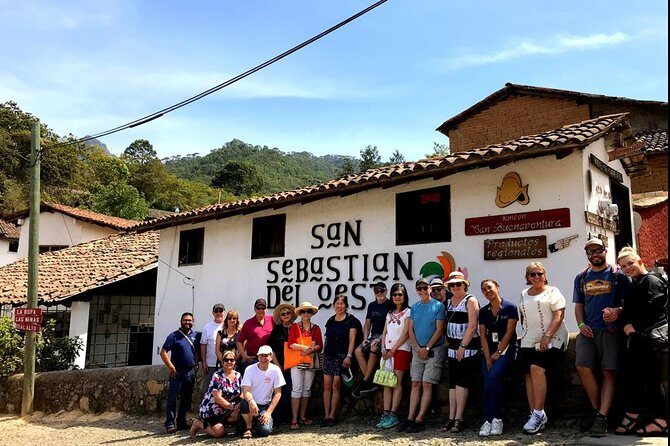
This tour is a great fit for groups who want a private day without the stress of planning transport. It’s especially appealing if you have 4 to 7 people, because the group price spreads the cost in a way that feels reasonable.
It’s also a strong match if you like culture that’s practical, not just photogenic. The combination of town exploration and producer-style stops gives you more than just walking around. And the guides named in feedback—Jorge, Eric, Gustavo, and Candy—are repeatedly described as making the ride entertaining and the context meaningful.
Consider skipping or swapping if you:
- Hate car time and want a short, low-commitment outing.
- Expect lunch to be included. Lunch is not in the price, so you’ll want to budget for food and drinks on your own.
- Have a very tight schedule where 6 to 7 hours is hard to fit.
There’s also a “fit check” that helps most people: this is a private tour, meaning only your group participates. If you prefer your day to be tailored rather than set by strangers’ pacing, that matters.
What to Expect When You Get Back to Puerto Vallarta
When the tour ends, you’re not left to figure out a ride. You’re returned to your accommodation. That reduces the stress of the day and helps you keep your evening open for dinner or a relaxed walk along the Malecón.
It’s also worth thinking about what you’re bringing home from the day. Yes, you’ll likely take photos of the town square and church area, plus a few shop stops. But the deeper win tends to be the producer visits and the way local guides connect the region’s food and traditions to what you see on the street.
If you’re the type who collects experiences instead of souvenirs, this tour scratches that itch.
Should You Book This Private San Sebastián del Oeste Tour?
I’d book this if you want a private, guided mountain-town day that feels local and not rushed. The private van with return service is a big deal, and the group pricing makes it easier to justify than many solo private tours. Add in the included tequila tasting and the time to explore the town square, church, and shops, and you have a day that mixes structure with freedom.
I’d think twice if you’re trying to minimize time in the car or you want food fully handled for you. Budget for lunch and drinks, and be ready for a longer ride up the mountains.
If your group is flexible, loves small-town wandering, and appreciates local food and producer stops, this is the kind of day trip that turns into a highlight—not because it’s complicated, but because it’s thoughtfully put together for real time together.
FAQ
How much does the Private San Sebastián del Oeste Tour cost?
It costs $450.00 per group (up to 7 people).
How long is the tour?
The tour lasts about 6 to 7 hours.
Does the tour include pickup and drop-off?
Yes. Hotel/port pickup and drop-off are included, with private transportation and return to your accommodation.
Is this tour private or shared?
It’s private. Only your group participates.
Is the tour offered in English?
Yes, it’s offered in English.
What’s included in the price?
The price includes the guide/driver, private van use, bottled water, tequila tasting, and all taxes, fees, and fuel surcharge.
Is lunch included?
No. Lunch is at your leisure and not included.
Is there an admission ticket for San Sebastián del Oeste?
Admission ticket for the stop is free.
What is the cancellation policy?
You can cancel for a full refund up to 24 hours in advance. If you cancel less than 24 hours before the start time, you won’t receive a refund.
]]>I love the pacing here. You get restroom-friendly stops en route, plus structured time at key photo points and in town. I also love the flavor-focused stops, especially the raicilla and tequila tasting and the lesson at the La Quinta Mary coffee farm.
One thing to consider: the day involves walking on uneven surfaces, and the center has cobblestones. Bring tennis shoes, and plan on paying for lunch yourself since lunch isn’t listed as included.
Key things to know before you go
- Door-to-door private pickup from your hotel lobby, resort, villa, Airbnb, or cruise port
- A planned break on the way (Las Palmas) for restrooms and leg-stretching
- Puente El Progreso for photos plus coffee and bread from a local bakery
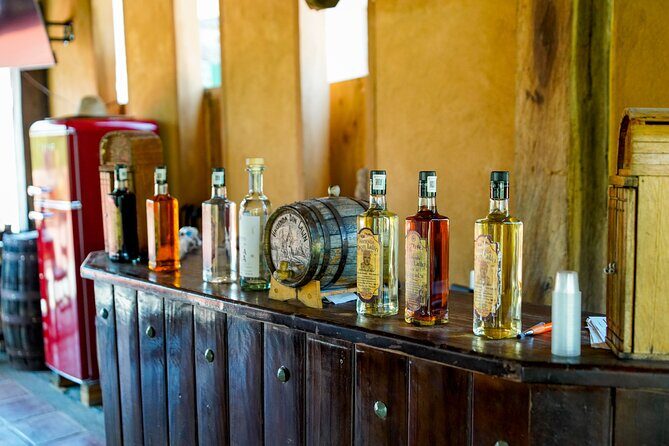
- Hacienda Don Lalin raicilla and tequila tasting with an explanation of how they differ
- San Sebastián del Oeste at walking pace, including church time and a visit tied to silver-mining history
Why San Sebastián del Oeste feels special (and how the tour delivers it)
San Sebastián del Oeste is the kind of town that makes you slow down without trying. The streets and architecture have that lived-in, historic feel, and it sits up in the mountains enough to turn the day into a nice break from Puerto Vallarta’s heat.
What makes this private tour work is that it doesn’t treat the town like a quick photo-stop. You’re guided through the story in a logical order: you get into the area via viewpoints and bridge stops first, then you move through the town’s highlights (church, craft/silver heritage, and a local museum), and only then do you get time to explore on your own. That sequence matters because it helps you understand what you’re looking at once you’re there.
Another smart choice: the day is built around senses. Yes, there’s history and sightseeing, but you also get tangible experiences—coffee, bakery flavors, and a real spirits tasting. That mix is a big part of why this itinerary tends to land well for people who don’t just want checkboxes.
If you like learning by doing, you’ll probably have a great time with the guide-led stops and short explanations at each stop. If you’re the type who just wants to float and take photos, you still get your free time—but you might want to tell your guide you’d rather spend more of that free hour wandering than listening.
Getting there from Puerto Vallarta: Jalisco Road 544 + real breaks
Your day starts with pickup, and that’s not a minor detail. When you’re headed into the mountains, door-to-door transportation saves energy for the actual exploring.
You’ll ride in an air-conditioned vehicle with private transportation. The drive from Puerto Vallarta follows Jalisco Road 544 and takes about 1.5 hours one way, with scenery changes that make the ride feel like part of the experience instead of dead time.
To keep the day comfortable, the itinerary includes a mid-route stop in Las Palmas, Jalisco. You’ll have time for restrooms and to stretch your legs—about 15 minutes total for that break. There’s also an earlier half-way stop noted around the same area, which is great if you’re sensitive to timing and bathroom breaks (and almost everyone is on a long day).
A couple practical points from how the day is structured:
- Plan for some sitting time in the car, then short walking bursts.
- The total duration counts travel time, and the tour notes warn that traffic delays aren’t included in the listed timing.
- You can also choose between standard start times around 9:00 AM or 10:00 AM (with pickups generally beginning around 9:00 AM Pacific Time).
If you want a less-stressful day—especially if you’re traveling with family, older kids, or anyone who doesn’t love long drives without stops—this format is a good fit.
Puente El Progreso: bakery coffee, photos, and a quick reset
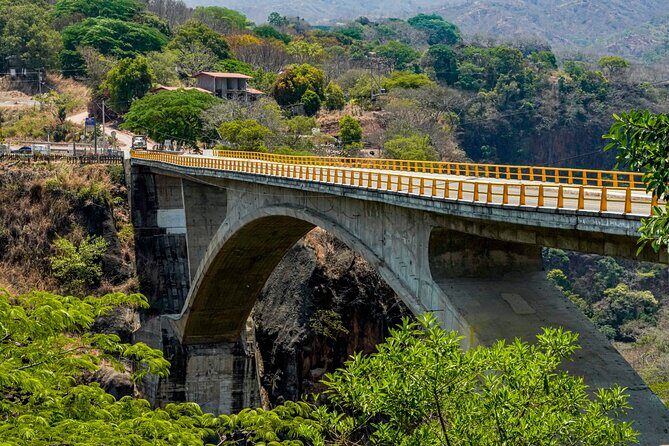
One of the first true “wow, we’re here” moments comes at Puente El Progreso. This historic bridge sits in a lush setting, and it’s one of those places where your phone will end up working overtime.
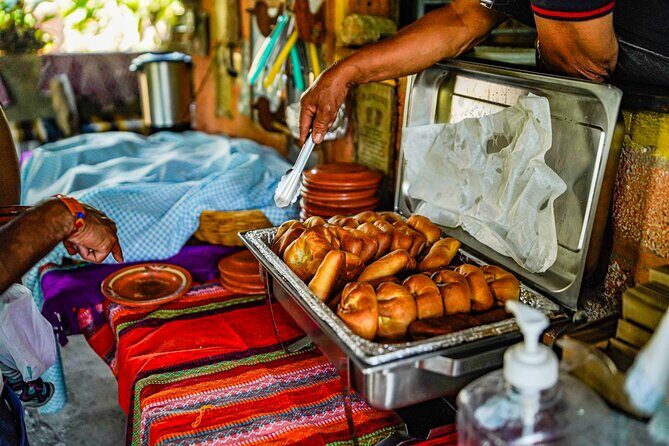
The stop itself is about 30 minutes, and it’s not just stand-and-snap. You’ll also visit a local bakery where you can taste local bread and drink coffee from the pot. That matters because it turns the photo stop into a real sensory break, which helps you arrive in town with energy instead of arriving hungry and overheated.
The guide-led explanation at stops like this is usually what makes the difference between, say, eating something random and understanding what makes it local. You’ll have time to learn, taste, and then move on.
Photo tip: bridges are great at multiple angles, but don’t block other people. Take a quick wide shot, then step aside for your close-ups. It keeps things friendly and saves you time.
Hacienda Don Lalin distillery: tequila meets raicilla tasting
If you drink tequila already, you’ll still find this stop interesting, because raicilla isn’t just tequila’s cousin—it’s a different story with a different flavor personality.
At Hacienda Don Lalin Raicilla Distillery, you get a 30-minute tasting focused on tequila and raicilla. This is one of the most valuable parts of the day because it’s not only samples. You’ll hear about traditional methods and the differences between the spirits, then you’ll have a chance to compare flavors side by side.
Why that format works: tasting time is short, so you need the guide to help you notice what matters. The tour’s approach is built for that—learn the basics, sample both, then connect what you’re tasting to what you just heard.
A quick head’s-up: this is still a daytime tour. If you’re planning to do a lot of walking in the town center afterward, go easy with the pours so you stay comfortable.
Also, because your samples are part of a scheduled stop, you don’t have to hunt around for a place to learn or buy anything. If you want souvenirs, you can do it later, but the tasting gives you enough context to make smarter choices.
La Quinta Mary coffee farm: what coffee history looks like up close
Next comes coffee, and it’s not the kind of stop where you just buy a bag and move on.
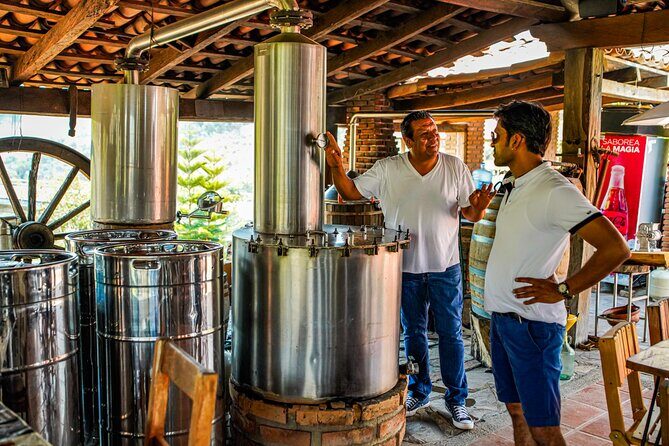
At La Quinta Mary, you’ll see a farm tied to early coffee production—dating back to the 18th century—and you’ll get a look at more traditional ways of growing and producing coffee in the region. The setting itself helps: greenery, quiet farm vibes, and a slower rhythm than you’d get in Puerto Vallarta.
The time here is about 30 minutes, which is enough for a real introduction without swallowing your whole afternoon. You’ll also get the kind of context that makes the town feel connected. Coffee, silver mining heritage, and regional spirits all tell parts of the same Jalisco story—especially in a place that grew around historic economic activity.
Coffee-farm stop takeaway: if you’re a coffee person, this is the moment where your interest usually clicks. Even if you’re not, you’ll still appreciate how a small region’s crops shaped local life.
El Comedor de Lupita lunch: what to expect and how to plan
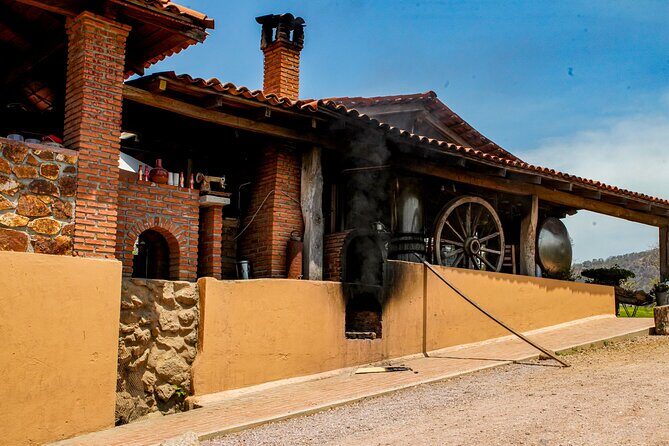
Lunch is scheduled at El Comedor de Lupita in San Sebastián del Oeste. The restaurant is described as having a hacienda-style feel and serving food tied to miners’ recipes—think hearty regional dishes like fish and shrimp, plus options such as fajitas and tortillas.
Your lunch time is about 1 hour. This is a good window to recharge, especially if you’ve been tasting coffee and sampling spirits earlier.
Two key planning notes:
- Lunch is listed as not included in the tour pricing details, so you should expect to pay your own way for the meal even though the stop is built into the schedule.
- If you have dietary needs, your best move is to alert your guide ahead of time when possible. In past experiences with this company, vegetarian requests were handled with care, but you still shouldn’t assume every situation will be identical.
If you want the most relaxed lunch: don’t race your meal. You have town time afterward, and eating slowly helps you feel less rushed once the cobblestones start.
San Sebastián church, silver craft, and the Doña Conchita house museum
After lunch, the tour turns more explicitly cultural.
First up is the Church of San Sebastián del Oeste. You’ll spend about 20 minutes here, with time to admire the colonial architecture and learn why the church is such a cultural and religious center. This stop is worth it even if you’re not a big church person, because the building helps explain why people built and organized towns the way they did.
Then you’ll shift to craft and local skill: a stop to watch or learn about a silver smith. The time is around 15 minutes, but it’s guided in a way that connects the craft to the region’s mining heritage. If you’ve ever wondered how “silver town” became a identity instead of just a phrase, this kind of stop answers it quickly.
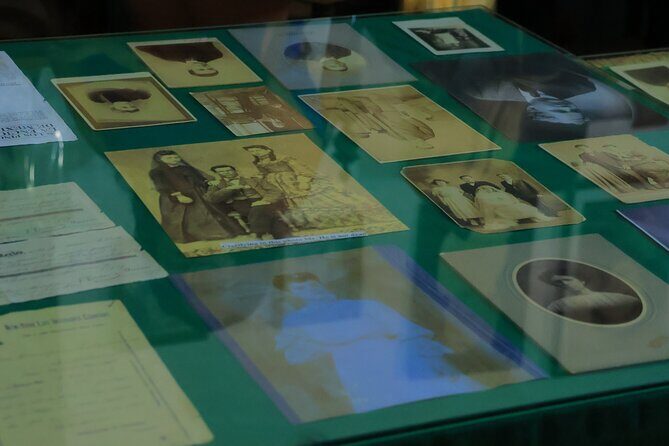
Finally, you’ll visit the Doña Conchita Encarnacion House/Museum for about 20 minutes. This museum focuses on the first residents of San Sebastián del Oeste and the original owners of the silver mines. It’s a compact museum visit—enough to give you names and context without dragging the day out.
In a day packed with tastes and quick breaks, these stops do a helpful job: they make San Sebastián del Oeste feel like a place with roots, not just a backdrop.
Free time in town: how to wander without getting lost in the details
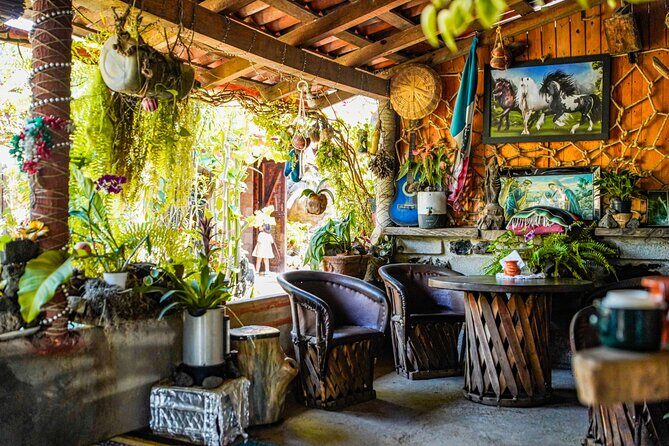
After the museum and craft stops, you get about 1 hour of free time. This is where you decide what kind of traveler you want to be for that last stretch: shopper, walker, photo hunter, or sit-and-watch person.
Here’s how to use the hour well:
- Start near the areas you just learned about (church area and museum vicinity) so you’re still “plugged in” to the story.
- If you’re buying anything handmade, cash helps—some local vendors may prefer transactions in USD or MXN.
- Take your time with photos but keep your walk steady, since the streets are known for cobblestones.
This is also the moment where a good guide can make your experience better than a simple route. Some guides have shown flexibility to add or adjust stops along the way, so it’s smart to ask if there’s an option that fits your interests without derailing timing.
If you’re the type who wants to see markets or small galleries, tell your guide early, then prioritize it in your free hour. That’s the best way to avoid the last-minute scramble.
Price and value: is $134.99 worth a private 6-7 hour day?
At $134.99 per person, this is not a budget “hop on a bus” excursion. It’s a private day trip with pickup, transportation, and a licensed guide, plus included stops at the bridge tasting and the spirits tasting.
The value comes from three things working together:
- Private transport plus door-to-door pickup means you’re not negotiating meeting points or sharing the ride with strangers.
- Included experiences reduce your guesswork. You’re not trying to figure out where to eat, where to learn about spirits, or where to fit tastings. The schedule builds it in.
- Time control. You get structured town visits and then a clean free-time hour. That balance is what makes the day feel full without becoming exhausting.
If you’re traveling with a small group, this kind of private structure usually wins. You’ll get more conversation, more tailored pacing, and less waiting around.
If you’re traveling solo, keep in mind the company uses a minimum charge equivalent to three guests to cover operational and platform fees. In other words, solo travel isn’t priced like a solo seat on a plane—it’s priced like a private experience.
Practical tips that make the day smoother
A few things can make or break a mountain-town day like this:
Wear the right shoes. Cobblestones show up in multiple places, and even a short walk can be slippery or slow if you’re in sandals. I’m big on being comfortable first, photos second.
Bring sunscreen and water. The day runs several hours, and you’ll be outside more than you might expect, especially at bridge and town stops. Bottled water is included.
Plan cash for tips and purchases. The tour guidance recommends bringing USD or MXN for tips and spontaneous shopping. Some vendors prefer cash.
Expect walking in small bursts. This isn’t a “tour bus stroll.” You’ll move between stops, and the town center is not smooth and flat everywhere.
Start time matters. If you can choose, consider what your group handles best. An earlier start can mean more comfortable temperatures during town time.
Your guide can change the vibe. Past experiences with guides like Pepe and Vicho highlight a common theme: story-driven explanations that connect each stop to the bigger Jalisco picture. If you like questions, ask them early. Guides usually love turning curiosity into the best part of the day.
FAQ
How long is the San Sebastián del Oeste private day trip?
The duration is about 6 to 7 hours, and it includes travel time. The tour notes that traffic delays aren’t included in the timing.
What does the tour price include?
You get air-conditioned private transportation, bottled water, parking and fuel, and an in-person licensed or certified guide. Tastings at the bridge and distillery are also included.
Is lunch included?
Lunch is not included in the tour price. There is a scheduled lunch stop at El Comedor de Lupita during the day.
What time do you get picked up from Puerto Vallarta?
Standard departure options are 9:00 AM or 10:00 AM. The tour notes that pickups generally begin around 9:00 AM Pacific Time.
Is this really a private tour?
Yes. It’s a private tour/activity, and only your group participates.
What should I do about weather?
The experience requires good weather. If it’s canceled due to poor weather, you’ll be offered a different date or a full refund.
Should you book this private trip to San Sebastián del Oeste?
Book it if you want a day that mixes transport comfort, structured cultural stops, and real tastings—without forcing you to plan the details yourself. It’s especially worth it if you’ll appreciate coffee and spirits as part of learning, not just as treats.
Skip it (or rethink the timing) if your group has limited tolerance for walking on uneven cobblestones, or if you’re trying to keep costs strictly low since lunch isn’t included and private pricing includes a minimum charge structure.
For most visitors coming from Puerto Vallarta, this is the kind of trip that turns a familiar vacation base into a memorable mountain-day story.
]]>What I like most is the balance: you get real-making experiences, not just look-and-photos stops. You’ll also enjoy a guided walk through old architecture in the Pueblo Mágico center. The main drawback to plan around is time: it’s a long day (about 7 to 8 hours) and some stops are short, so you’ll want to keep energy up for the drive and the town walking.
Key things to look forward to
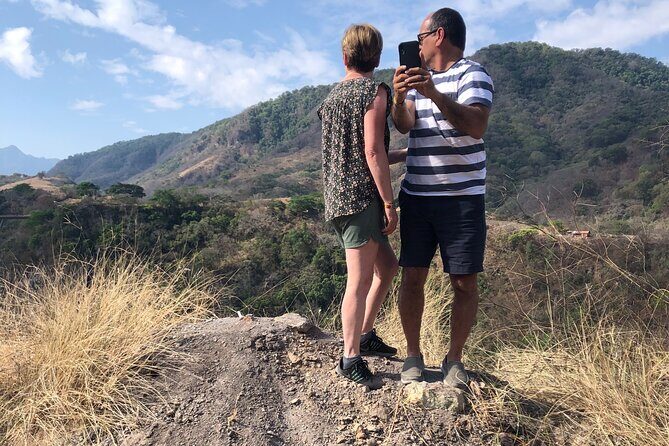
- Road 544 mountain views at Puente el Progreso for that Sierra Madre postcard moment
- Carmen’s bakery with fresh empanadas and café de olla during the coffee-route stop
- A family coffee Quinta dating back to the early 1800s, explained by Rafael Sanchez
- A guided town walk focused on specific historic sites in San Sebastián del Oeste
- Raicilla production steps (cooking, milling, fermentation, distillation) plus tastings
- Small-group private format for up to four people with an A/C vehicle
A private day trip that feels like you have a local friend
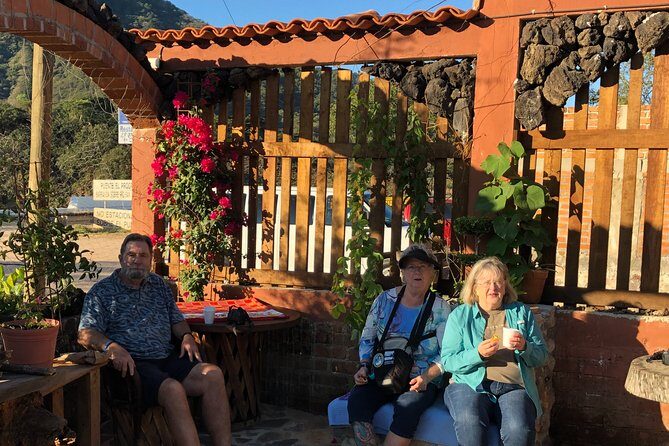
San Sebastián del Oeste is one of those places that rewards a guide. You’re not just riding out to a pretty town; you’re getting context for why the town looks the way it does and how the local economy grew around coffee and agave spirits.
I also like that the experience is built for a small group. This is private, so you’re not stuck playing human acoustics among strangers. In practice, that means your guide can pace the day and adjust it to what your group wants—something you’ll see reflected in the guide experiences people describe (with names like Cervando and Pepe showing up in past tours).
Price and value for a group of up to four
The price is $474.96 per group for up to 4 people, for about 7 to 8 hours. The value depends on who you’re traveling with. If you’re two people, it’s still a solid private-day option when you factor in pickup, a private A/C vehicle, museum entrance, and tastings that would cost you extra if booked separately.
What’s included matters: you’re not paying only for transportation. You get coffee and/or tea at the Puente el Progreso stop, a cooler with bottled water and sodas, entrance fee at the Parrish museum, and raicilla plus tequila tastings at Hacienda Don Lalin.
The only “budget reality” is that lunch isn’t included and alcoholic beverages aren’t included as purchased extras. Your guide can recommend where to eat, but you’ll want to decide in advance whether you’ll buy lunch at a sit-down spot or aim for something quicker.
Morning drive: Las Palmas, quick rural views, and bathroom timing
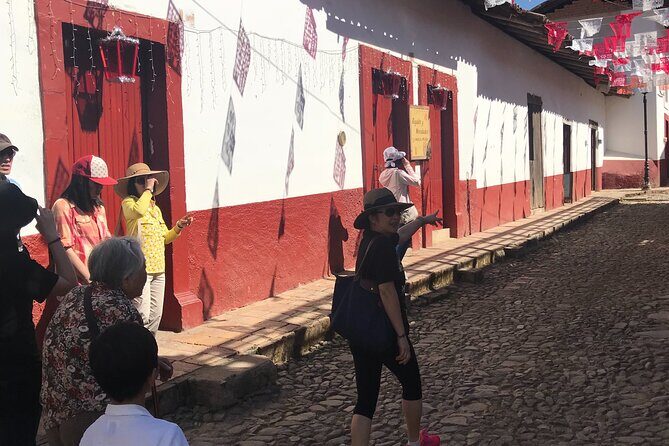
The day starts with pickup from your hotel in Puerto Vallarta (confirming your pickup time the day before). Then you head out along Jalisco 544, which sets the tone: you’re going from coastal tourist energy into mountain country pretty fast.
First, there’s a brief stop in Las Palmas (also referred to as a rural farming town area). It’s a short stretch—about 15 minutes—but it gives you a real sense of everyday life away from the main tourist lanes. There’s also a practical perk here: if you need it, there’s a chance to use the toilets and grab a few photos.
Puente el Progreso: Sierra Madre views plus café de olla
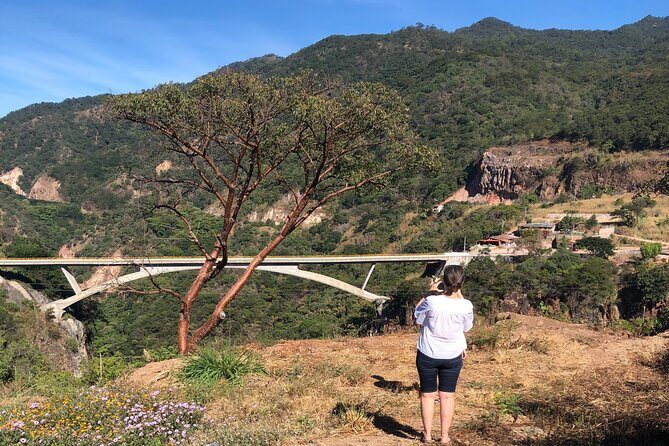
As you continue on, you’ll stop at Puente el Progreso to admire the Sierra Madre Mountains. This is one of those stops that’s mostly about views—but the timing and the pacing make it more useful than a random photo pull-off.
You’ll also have time for Carmen’s bakery, where people expect fresh baked empanadas and traditional café de olla. It’s not a massive meal break, but it’s a good energy reset during the drive, and it pairs nicely with what’s coming next (coffee country).
This stop also includes coffee and/or tea as part of the tour. I like that they build in a small comfort so you’re not starting the coffee and town portions running on fumes.
San Sebastián del Oeste is about the people behind the scenes
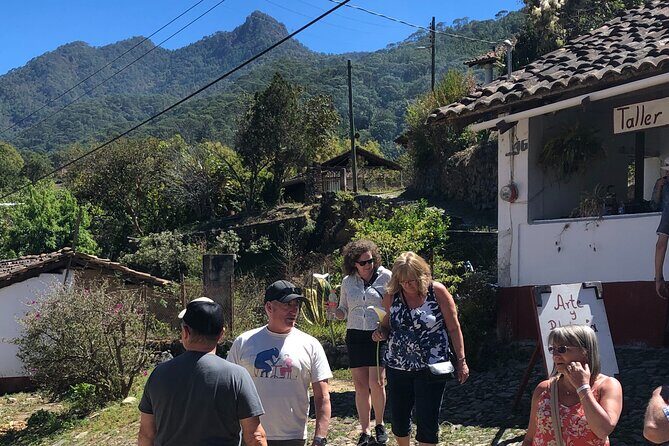
You’ll eventually arrive in the Pueblo Mágico center of San Sebastián del Oeste, but before you hit the historic core, the tour shifts to a family-run experience.
At the coffee stop, you visit the Sanchez family and their Quinta—described as being built by ancestors back in the early 1800s. You’ll meet Rafael Sanchez, who shares how coffee is grown and processed, and you’ll get a walk through the plantation where you can spot other fruits grown in the area.
This is where the day becomes more than scenic. Coffee here isn’t presented as a product; it’s presented as a process with steps, labor, and time. If you like food and agriculture, this is the kind of stop that makes the rest of the day click.
There’s also time to buy coffee and other products in the San Sebastián area if you want souvenirs that actually connect to what you saw. Again, the tour isn’t long enough to turn this into a deep research project, but it’s enough to make you understand the basics.
The guided town walk: historic sites, crafts, and a real sense of place
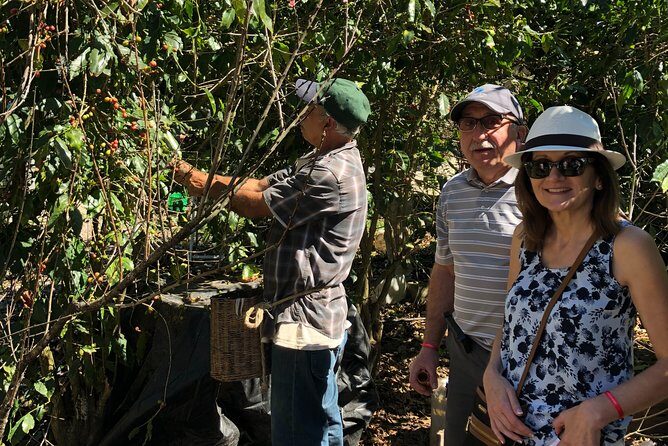
After the coffee portion, you head toward the town center and start spotting the architecture—white-washed adobe houses from the 1700s and 1800s. Then you get a structured walking tour with an expert guide, focused on the specific sites that define the town.
The tour includes visits (or viewpoints) around:
- the town square
- the town hall
- El Curato, the priest’s house (XVIII)
- Hotel del Puente (XIX)
- El Meson (XVIII)
- a silversmith workshop
- San Sebastian Parrish (XVIII)
- the Parrish museum (with entrance fee included)
I like this approach because it avoids the usual “see the main square” route. You get a path through the town’s landmarks, and your guide connects the dots—history, architecture, and how daily life fits into it.
There’s also time for lunch if desired. Your guide will introduce traditional food from the area and can suggest where to eat. Since lunch isn’t included, you’ll want to decide whether you’ll follow their recommendation (often the easiest win) or do your own search once you’re in town.
Hacienda Don Lalin: raicilla and tequila tastings with the real production steps
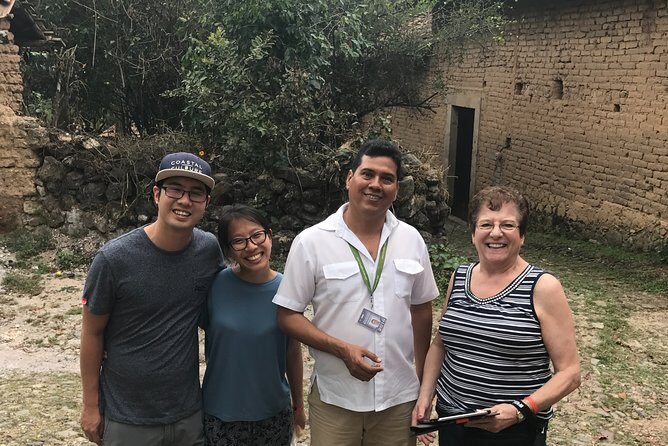
The last stop is at Hacienda Don Lalin, where the focus moves from coffee to agave spirits. Your guide introduces raicilla, the traditional spirit from the region, and explains the four steps of production:
- cooking
- milling
- fermentation
- distillation
Then you get to taste raicilla and tequila. The tasting also includes flavor tequilas such as coffee, orange, and almond. If you’re the type who likes learning first and tasting second, this order works well. You leave with at least a framework for what you’re drinking and why it tastes the way it does.
Time here is about 30 minutes, so it’s enough to sample and ask questions, but not so long that it slows the day to a crawl. It’s also a nice ending point because you’re finishing with something sensory after a day full of walking and views.
What to expect from the timing and pacing
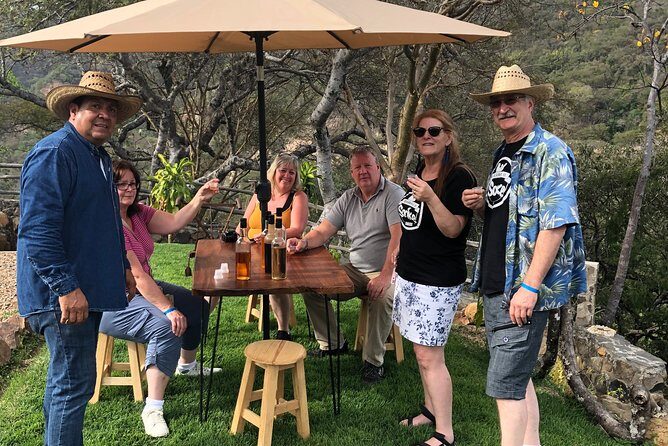
This is a full-day route, roughly 7 to 8 hours, with multiple stops that vary in length. Some parts are short (like the Las Palmas stop), while others are your “main events” (coffee plantation walk and the guided town walk).
That pacing is great if you like variety. It’s less ideal if you prefer slow travel or want a long free block in town to wander without structure. In this format, you’ll have guided momentum, and you’ll plan lunch within that flow.
Also, the experience requires good weather. Mountain routes and viewpoints are better when visibility is good, and the provider notes they may offer a different date or a full refund if conditions force a cancellation.
Who this tour suits best (and who might want a different plan)
This fits you best if you want:
- a private day trip without the hassle of transportation planning
- a mix of coffee + agave spirits in one route
- a guided walk through historic sites with specific stops
- a day that’s structured enough to avoid decision fatigue
It might not fit as well if you need lots of downtime, want to stay in town for hours on your own, or don’t enjoy tastings. The tasting is included, but it’s still a set portion of the day.
It’s especially appealing for couples and small families traveling with up to four people who want an A/C vehicle, clear stops, and a guide who can keep things moving.
Small practical tips before you go
- Bring some water habits with you. Bottled water and sodas are included, but it’s a long day.
- Wear comfortable walking shoes for the town center walk.
- If you’re planning to buy coffee, raicilla/tequila, or small gifts, keep some space in your bag—shopping time is built into the stops.
- If you’re traveling with kids, the private format can make the day easier, since your group won’t be navigating a crowded bus setup.
Should you book this San Sebastián del Oeste private tour?
If you want one high-quality day outside Puerto Vallarta that mixes scenery, food/agriculture, and local spirits, I’d book it. The value comes from the combination of included extras—pickup, A/C private vehicle, museum entrance, tastings, and refreshments—not just the destination.
Skip it only if you’re aiming for a relaxed, slow day with minimal structure or you hate the idea of short stops punctuating a long drive. Otherwise, this route is a smart way to get real context for San Sebastián del Oeste without spending your energy figuring it out.
FAQ
How long is the San Sebastián del Oeste private tour?
It runs about 7 to 8 hours for a full-day experience.
How many people are in a group?
This is a private tour/activity for your group only, up to 4 people.
What is included in the tour besides transportation?
The tour includes coffee and/or tea, a cooler with bottled water and sodas, entrance fee at the Parrish museum, and raicilla and tequila tastings. Pickup and drop-off are also included.
Is lunch included?
No, lunch isn’t included. Your guide can recommend places in town if you want to eat during the free time.
What tasting can I expect at the distillery?
At Hacienda Don Lalin, you’ll taste raicilla and tequila and some flavored tequilas such as coffee, orange, and almond.
Are there bathroom stops during the day?
Yes. There’s mention of toilet access at the Las Palmas stop and at the coffee stop in San Sebastián del Oeste.
]]>I like the balance here: a real town stroll plus tastings that actually explain what you’re drinking and eating. The expert guide matters a lot on this kind of stop, and the guides I’ve read about—like Alfonso, noted for being well informed—tend to bring the details to life.
One possible drawback: the tequila and coffee tours are on the short side, so if you’re hoping for a long, deep production-style experience, you may want to pair this with something more specialized. Still, it’s hard to beat the value of getting both in one 6-hour outing.
Key things to know before you go
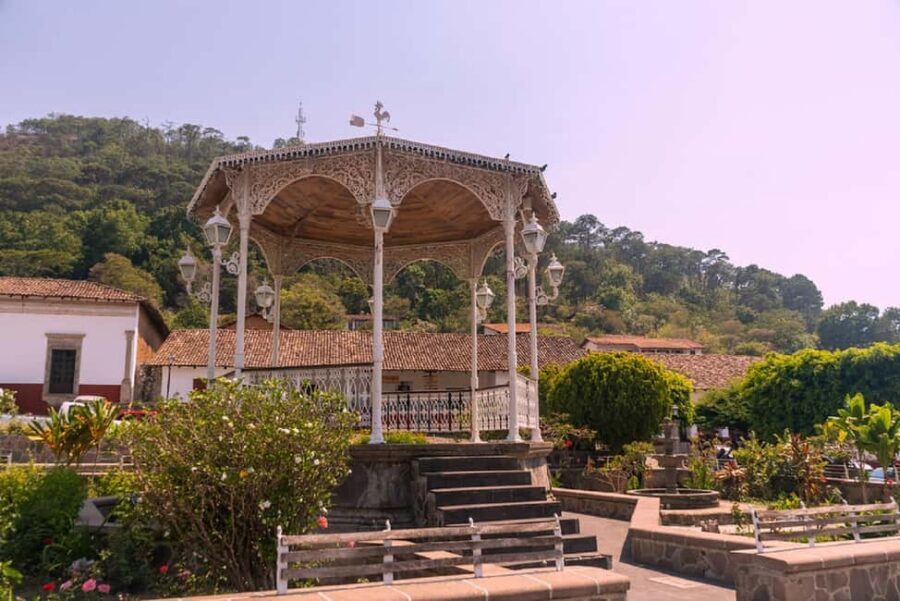
- San Sebastian del Oeste walking tour: downtown sights include a small museum, an art gallery, and a look at the town jail
- Tequila gallery + distillery visit: you’ll learn the basics and taste local tequilas
- Organic coffee factory: you’ll see how coffee is handled and get to sample it
- Sierra Madre mountain lunch: traditional food comes with some of the best views on the route
- Round-trip hotel pickup: you don’t have to figure out transport to the mountains
San Sebastian del Oeste: why this “Magic Town” works as a trip
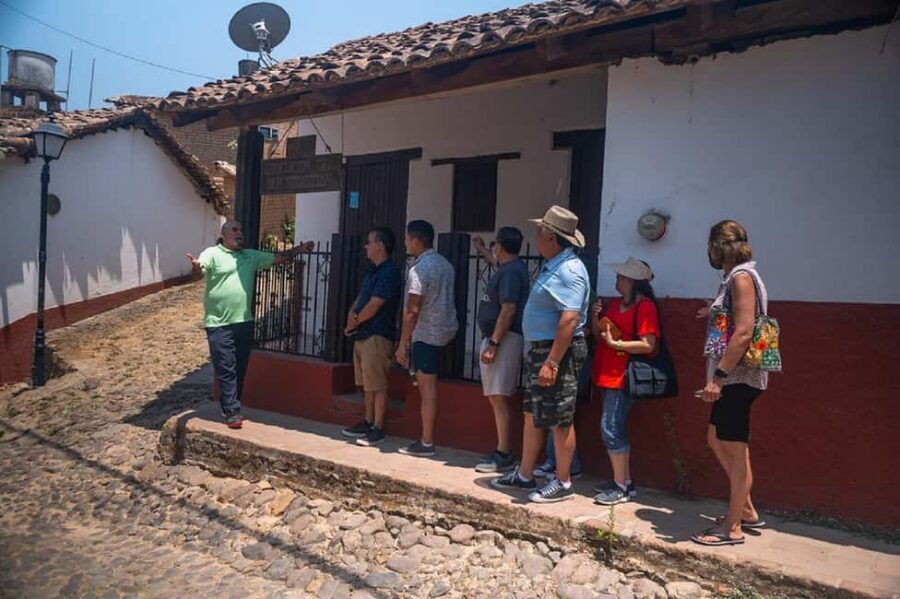
San Sebastian del Oeste is one of those places where the scenery does half the work for you. From Puerto Vallarta, you’ll head toward the Sierra Madre Mountains, and the whole day has that slow “getting away from it” feeling. It’s a Pueblo Magico, which basically means the town is preserved enough (and distinctive enough) that it’s meant to be experienced, not just passed through.
What you’re really buying with this tour is contrast. You start in a classic Mexican town setting—colonial-style details, a historic center, and small public spaces that feel rooted in everyday life. Then you switch gears to local production: tequila and organic coffee. Finally, you land back in comfort with lunch and a view that makes you remember you’re in the mountains.
The best part is that it’s guided. When you’re standing in a town center like this, you’ll get more out of it if someone can explain what you’re seeing and why it matters.
How the 6-hour schedule feels in real life
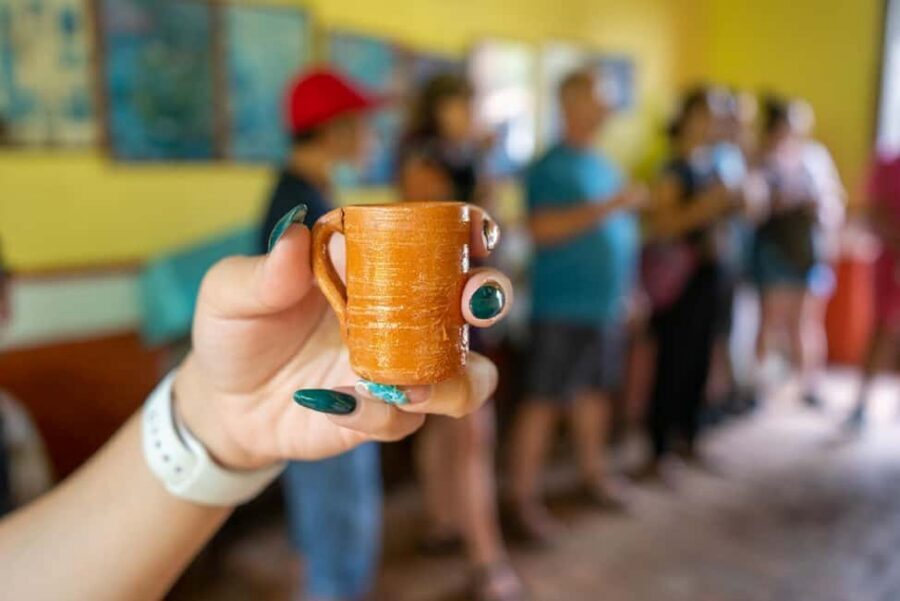
This is a 6-hour day, which is long enough to feel like you actually did something, but short enough that you won’t be wiped out when you return to Puerto Vallarta. The pacing is built around a few “blocks” you can mentally track: town walk, two maker stops (tequila then coffee), lunch, and then some time to breathe before heading back.
Because transportation is included, you don’t have to spend energy figuring out routes or timing. That matters, especially when the day involves mountains and a clear meeting point. You also get soft drinks at the restaurant, so you’re not juggling extra purchases during lunch.
If you like a day trip that still has structure, this one is a good match. If you hate feeling rushed, focus on the fact that the town portion and lunch portion will likely feel more relaxing than the tastings.
Walking San Sebastian’s downtown: more than pretty streets
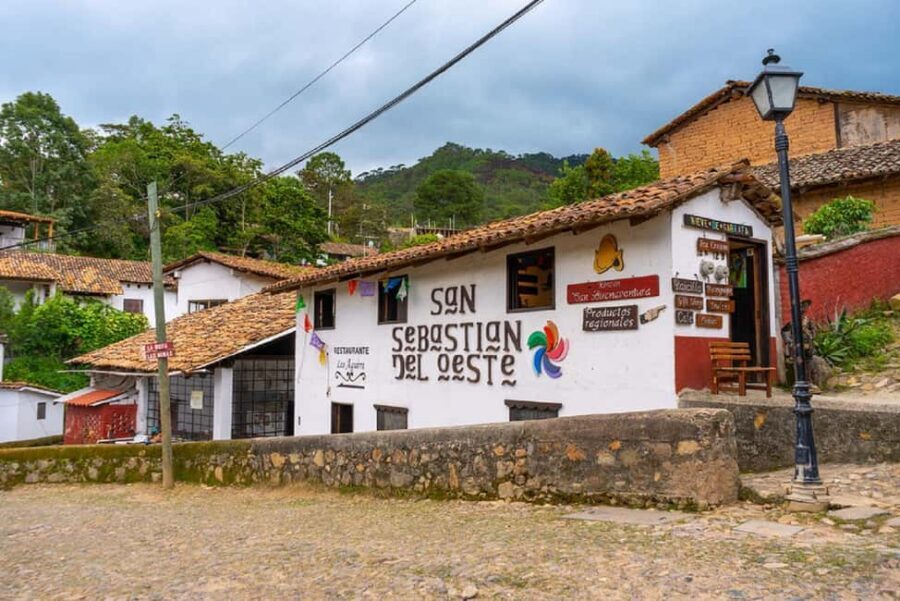
The heart of the experience is your guided walk through San Sebastian del Oeste’s municipal center. This is where you’ll see the town’s bones: colonial architecture, public squares, and small landmarks that feel quietly important.
A few specific stops you should expect:
- the municipal center, where the town’s civic life takes shape
- the town jail, which adds a real historical edge without being a textbook moment
- a small museum, helpful for tying the town’s past to what you see today
- an art gallery, which gives you a sense of local creativity beyond the tourist basics
What I like about this part is that it doesn’t just point at buildings. It connects them to stories and folklore shared by your guide. That’s where the experience stops being a photo walk and starts feeling like you actually understand the place.
One more practical note: this is a walking-focused segment, so comfortable shoes are not optional. The town is compact, but you’re still on your feet, and you’ll want good grip.
Tequila gallery and distillery visit: tasting with context
After the town walking portion, the tour turns into the “maker side” of the day. You’ll visit a tequila gallery and then go to a distillery for a tour and tastings.
Here’s why that sequence helps: the gallery gives you a mental framework—what tequila is, how it’s made in broad terms, and what to pay attention to in the tasting. Then the distillery visit adds the hands-on reality.
What you’ll actually take away is simpler than a university course, but that’s the point. You’re learning enough to taste smarter:
- you’ll connect flavors to how the spirit is produced
- you’ll learn what makes local tequilas distinct
- you’ll get a guided explanation while you taste, rather than standing there guessing
The most consistent feedback I’ve seen about this part is that it can feel brief. One guest described the tequila and coffee portions as quite short, even while praising the quality of the day overall. If you’re a serious tequila nerd and want longer sampling or deeper behind-the-scenes production details, this may not satisfy alone.
Still, for most people, the tequila tasting here hits the sweet spot: enough to enjoy and learn, without turning your day into a full-on production class.
Organic coffee factory stop: what you should look for
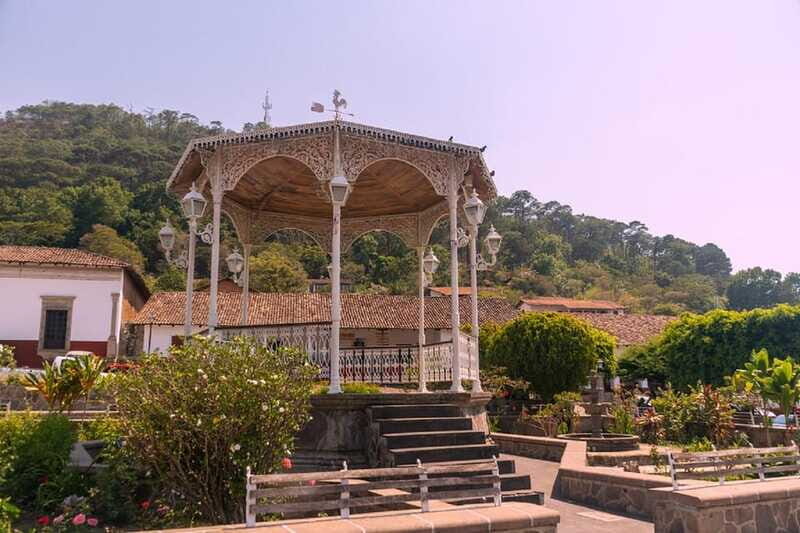
Then comes coffee, and yes—you’ll actually tour an organic coffee factory instead of just sampling something off a shelf. This stop is designed to show you how coffee is handled and processed, and you’ll get tastings along the way.
The value here is in seeing coffee as a local craft, not a generic souvenir. If you drink coffee at home, this part can be especially fun because you’ll start noticing details you usually ignore—aroma, taste differences, and the way preparation changes what’s in the cup.
As with tequila, the stop is timed for a day tour, so it’s not a slow, hands-on workshop. The upside is you’re not waiting around; you’re moving through the day with a plan. The downside is that if you’re expecting an extended tasting experience, you may feel it ends quickly.
If you’re traveling with both coffee- and tequila-lovers, this is one of the better combinations you can choose. It’s not just two stops that feel similar; coffee gives a different flavor of “local maker” culture.
Lunch at a traditional restaurant with Sierra Madre views
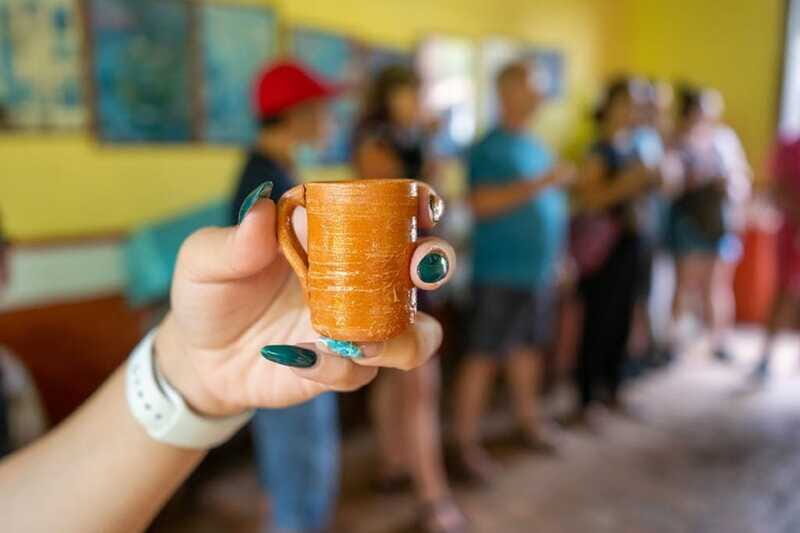
Lunch is served at a traditional restaurant, and the highlight here isn’t just the food—it’s the view of the Sierra Madre Mountains. After walking and tasting, this is where the day starts to feel like a proper break instead of a checklist.
You can expect traditional Mexican dishes, and soft drinks are included with lunch. One review note emphasized that the food was amazing, which lines up with why lunch tends to be the emotional peak of this kind of tour: it’s the moment where you sit down, cool off a bit, and take in the surroundings.
A practical tip: eat like you mean it. This is a longer day, and the tastings earlier mean you’ll likely appreciate the lunch more than you think you will. Also, if you’re sensitive to strong flavors, keep water nearby during tastings and then switch to your meal so your palate resets.
Leisure time and souvenirs: how to use it
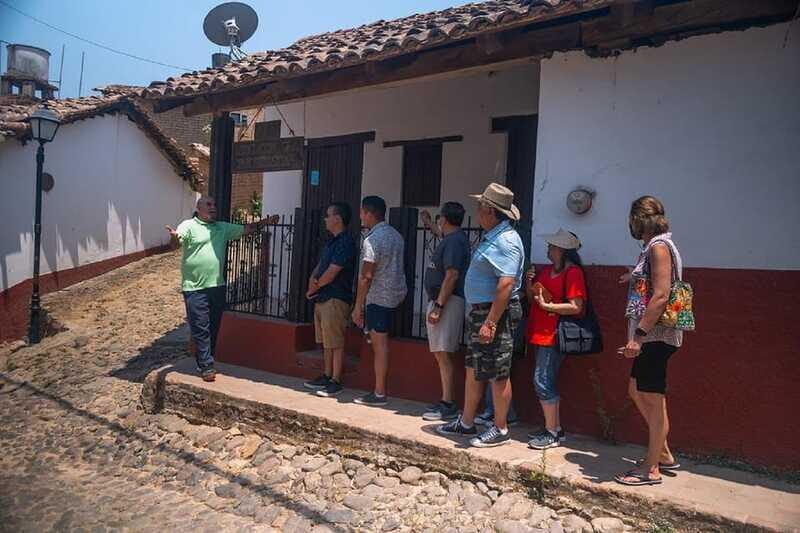
You’ll have some leisure time built into the day. Use it the way locals would on a mountain outing: don’t overplan. Walk slowly, take a few final photos, and if you want souvenirs, keep an eye on cash.
A good rule of thumb for this kind of day: bring some cash specifically for small purchases and tips. The tour information also encourages having cash on hand for souvenirs and gratuities, and that’s usually the difference between grabbing something you like and feeling stuck.
If you plan to buy gifts, consider doing it during leisure time rather than right at the end of the tour, when everyone is thinking about leaving.
Price and value: is $88 for 6 hours a good deal?
At $88 per person for a 6-hour guided tour, you’re paying for a packaged day with real inclusion—this isn’t just a bus ride and a name tag.
Here’s what’s included, and why it matters for value:
- round-trip transportation from your hotel area
- a certified guide who leads the walk and the tastings
- a distillery tour plus tequila tastings
- an organic coffee factory tour plus coffee tastings
- lunch at a Mexican restaurant
- soft drinks at the restaurant
- a walking tour of San Sebastian downtown
- leisure time
If you tried to recreate this on your own, you’d likely spend time coordinating transport, finding the right places, and lining up guided access for both tequila and coffee. The biggest value is that you get structure and local access bundled into one day.
The only “value caution” is the brevity issue. Coffee and tequila stops being short means you’re buying variety and convenience more than extended time at each production site. For many people, that’s exactly what they want: learn a little, taste a little, enjoy the town, eat well, move on.
What to bring for comfort in the mountains
The basics matter on this tour: you’re outdoors for a town walk and you’re moving through a mountainous region. I’d pack with comfort first and photos second.
Bring:
- comfortable shoes for walking
- sunglasses and a sun hat
- a jacket (especially if you’re visiting when evenings feel cooler)
- insect repellent
Also consider:
- sunscreen that’s biodegradable (helpful as the day is outdoors)
- a camera for the Sierra Madre views and the town details
If you’re the type who hates carrying too much, you can still travel light by using a small day bag. You won’t need anything fancy—just items that help you stay comfortable during the walking and waiting.
Who should book this tour (and who might want a different plan)
This tour fits best if you want a guided taste of multiple sides of Mexico in one day.
You’ll likely enjoy it if:
- you want San Sebastian del Oeste without dealing with transportation headaches
- you like the idea of tequila and coffee tastings with explanations
- you enjoy traditional food and scenic lunches
- you value having a guide who can connect sights to stories
You might hesitate if:
- you’re a serious tequila or coffee specialist looking for long, deep production time
- you prefer DIY exploring and don’t want a fixed schedule
- you dislike walking days, since the downtown portion is part of the experience
For most couples, friends, and first-time visitors to Puerto Vallarta, this is a strong “first taste” tour of the wider region.
Should you book the Guided San Sebastian Tour? My call
If your goal is one great day away from Puerto Vallarta that mixes a real town walk with guided tequila and coffee tastings and a traditional lunch with Sierra Madre views, I think this is a smart booking. The inclusion list is doing real work for the price: transport, guide, maker tours, lunch, and softness around the edges that makes the day easy to manage.
The main thing to decide is how you feel about short tastings. If you want plenty of time at each stop, you may find the tequila and coffee portions move quickly. If you’re happy with a curated, guided overview that still gives you real tastes and real town atmosphere, this tour earns its place.
FAQ
How long is the Puerto Vallarta guided San Sebastian tour?
It lasts 6 hours.
What’s included in the tour price?
Round-trip transportation, a certified tour guide, a distillery tour, an organic coffee factory tour, lunch at a Mexican restaurant, a walking tour of San Sebastian’s downtown, leisure time, and soft drinks at the restaurant.
Is breakfast included?
No, breakfast is not included.
Where will I be picked up from?
Pickup is included. You’ll be picked up from your hotel lobby or a nearby meeting point.
What languages are the tours offered in?
The tour guide is available in Spanish and English.
Is there free cancellation?
Yes. You can cancel up to 24 hours in advance for a full refund.
Do I need cash for anything?
It’s recommended to bring cash for souvenirs and tips.
What should I bring for the day?
Bring comfortable shoes, sunglasses, a sun hat, a jacket, and insect repellent. A camera is also useful.
How long will I be able to spend in San Sebastian?
You’ll have a walking tour of the downtown area plus some leisure time, but the exact split isn’t listed—plan for a structured schedule across the full 6 hours.
Will there be tequila and coffee tastings?
Yes. The tour includes a tequila gallery with local tequila sampling and an organic coffee factory tour with tastings.
]]>I love two things about this experience: you get hands-on tastes (there’s tequila tasting plus a stop at a coffee maker’s house) and you also get a real meal that’s part of how locals eat, not just a “tour lunch.” It’s also run with a small group size—maximum 15 travelers—which makes questions easy and the day feel less rushed.
One consideration: plan for a long round-trip drive. Even on a good day, the mountain roads take time, so if you’re expecting a quick, beach-to-market shuffle, this isn’t that kind of tour.
Key highlights that matter
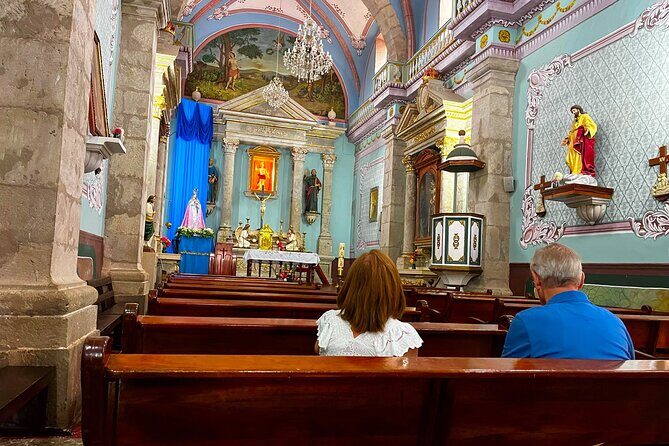
- A Magic Village with mining roots (since 1605) and strong agricultural history you’ll hear about on the day
- Tequila tasting built into the schedule, not something you have to hunt down later
- Coffee stop at a local coffee maker’s house, where you learn how the drink fits into the region
- Authentic Mexican lunch included, so you’re not stuck paying tour markup for food
- Small group vibe (up to 15) with a guide you can actually talk to
- Hotel pickup and drop-off for selected hotels around Puerto Vallarta, which saves you time and hassle
The long mountain ride to San Sebastián del Oeste
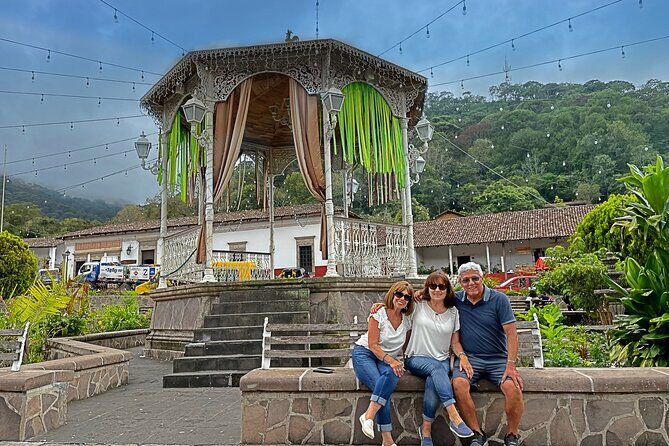
This tour is priced at $89 per person and it’s built around one main payoff: time in San Sebastián del Oeste plus food and tastings along the way. The drive is the “price” you pay for getting out of coastal routine. In practice, you should treat it like a full day outing, not a casual half-day stop.
Here’s why that matters for your budget and expectations. Most of what you’re paying for isn’t just the town itself. You’re paying for round-trip transfers, a professional guide, admission included, and meals/tastings that would cost you separately if you DIY. When the schedule works and the guide clicks, the value feels real.
One more practical note: this tour books out fairly quickly (it’s commonly reserved about 25 days in advance). If your dates are fixed, you’ll have an easier time locking it in sooner rather than later.
What makes the town special once you arrive
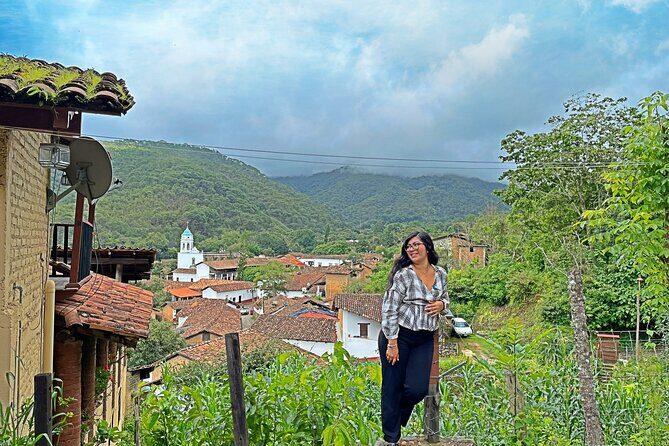
San Sebastián del Oeste is one of Jalisco’s Magic Villages, and the heart of the experience is what the guide connects for you. This was a mining village founded in 1605, and the story of agriculture plus mining history is something you’ll still see today in how the area developed. The point isn’t just dates on a timeline—it’s understanding why the town feels the way it does.
The streets are quieter than Puerto Vallarta. The vibe is slower. That’s ideal if you want to trade “mall energy” for something more human-scale. It also helps that the group stays small; you’ll have room to wander, ask questions, and not constantly wait for people in line.
You’re exploring more than views
When people love this day trip, it’s usually because the guide explains what’s worth noticing. In the feedback I reviewed, guides named Hector and Cesar stand out for history storytelling, and drivers like Victor and Tomas are praised for safe, steady handling on the road. Even if you don’t get those exact folks, the pattern is consistent: the day works best when you listen for the “why,” not only the “what.”
Stop inside the tour: coffee at a maker’s house
One included stop is a visit to a coffee maker’s house. This is the kind of detail that’s easy to skip on a simple walking tour, but it’s exactly what makes the day feel like Jalisco, not just a pretty town photo.
What you should expect from this part: you’re not just tasting. You’re getting context on how the beverage fits into local life and how it’s handled regionally. Coffee in Mexico isn’t a single flavor thing—it’s a whole chain of farming and preparation, and this stop is designed to give you that “now I get it” moment.
If you like food stops that teach you something practical—without turning into a lecture—this is a strong one.
Tequila tasting: the included payoff (and what to know)
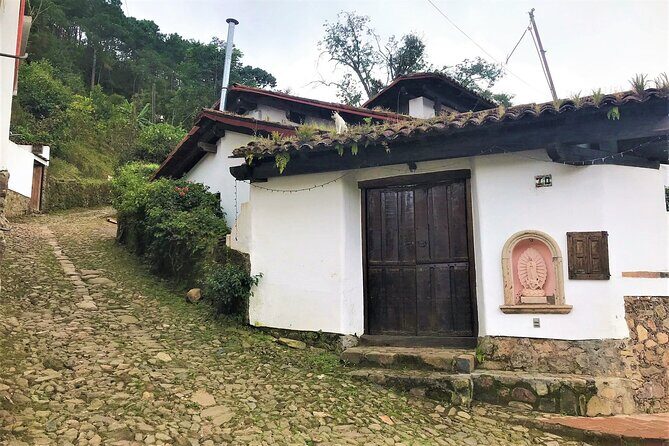
The tour includes tequila tasting. This is a clear, measurable value add. If you’re traveling through Mexico, you’ll come across tequila everywhere, but tastings are different: you get served, explained, and guided so you can actually understand what you’re tasting.
A good tequila tasting day trip does two things:
1) It helps you notice differences instead of drinking everything the same.
2) It gives you a reason to decide whether you want to buy.
Important for your wallet: tequila purchases are not included, and the same goes for any coffee or souvenirs. So treat the tasting as the “try it first” part. If something really speaks to you, you can decide then—cash works best.
Lunch that isn’t an afterthought
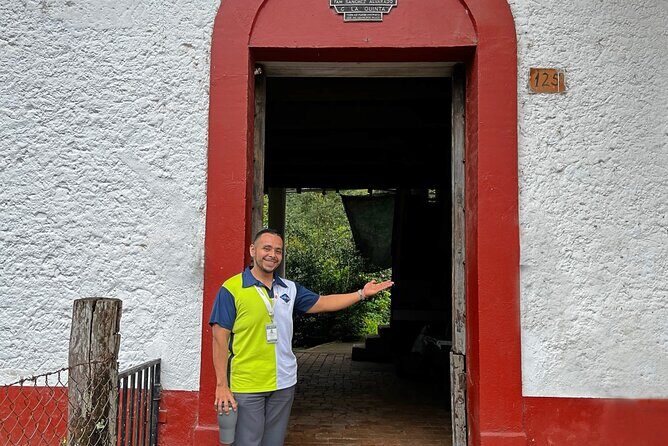
The schedule includes an authentic Mexican lunch. This is one of the most underrated parts of the whole day because food is where you learn what locals treat as normal, not “tourist special.”
In the feedback I saw, people specifically highlighted the meal experience and also mentioned bakery-style treats while out and about in the town. The big takeaway for you: build your expectations around eating like you’re in rural Mexico for a few hours—simple, filling, and tied to daily rhythms.
You’ll want to walk hungry. Also, the tour notes suggest bringing cash for extras at the restaurant and for souvenirs. That’s smart. If you only travel with card, you’ll still be fine for the included meal, but you might miss spontaneous purchases.
Comfort and timing: how to make the day feel smooth
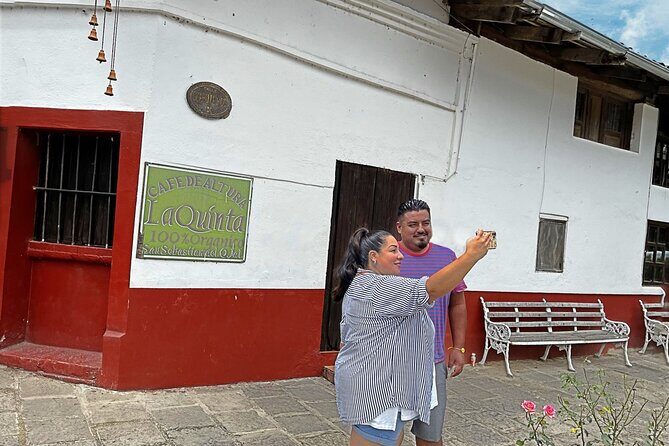
This is not a “sit on a bus and snack” outing. The tour recommends comfortable walking shoes, and the day works best with moderate physical fitness. That doesn’t mean you need to be an athlete. It means you should expect uneven sidewalks and enough walking to stretch your legs.
Also, don’t forget the basics:
- bring sunblock, sunglasses, and a hat
- have a camera ready
- pack a light jacket in winter months
- bring cash for souvenirs and additional food or beverages
Now the timing reality. The tour starts at 10:00 am, and it runs roughly 6 to 8 hours. A few people describe the drive time as long (in one case, around two hours each way). So if you’re the type who gets cranky after hours in transit, this is where the day can test your patience.
Pickup details: how to avoid the stress
Hotel pickup is offered for selected hotels. If you’re staying at a property outside the pickup zone, you may need to make your own way to the meeting point area. The tour info also stresses that if you have doubts about pickup, you should contact the operator at least 24 hours before departure.
Here’s my practical advice: confirm your pickup details the day before, then be at your pickup spot early. Even a well-run transfer depends on timing and traffic, and it’s easy to lose 20–30 minutes if you’re not ready when the vehicle arrives.
Who should book this day trip?
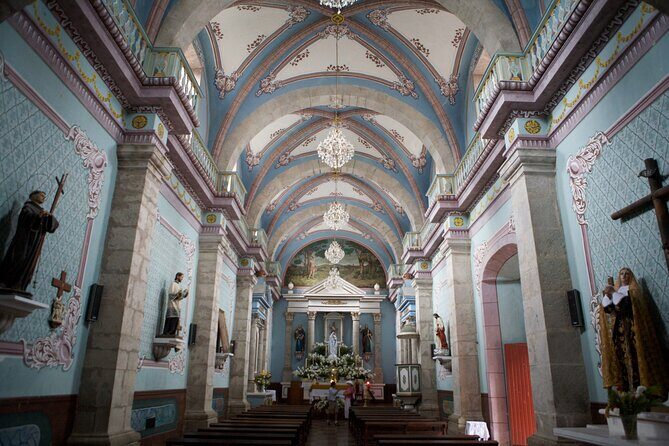
This tour is a great match if you want:
- a day away from Puerto Vallarta’s coastline
- authentic food and tasting experiences without planning them yourself
- a smaller-group guide approach (max 15 travelers)
- a story-driven visit to a real town with deep roots in mining and farming
It’s especially appealing if you like history that connects to daily life. Mining history and agricultural development can sound “academic” on paper, but here it’s presented in a way that helps you understand what you’re seeing while you walk.
If you’re traveling with kids, or someone with mobility limits, you’ll want to judge the walking portion honestly. The tour is doable for many people, but the comfort tips exist for a reason.
Price check: is $89 worth it?
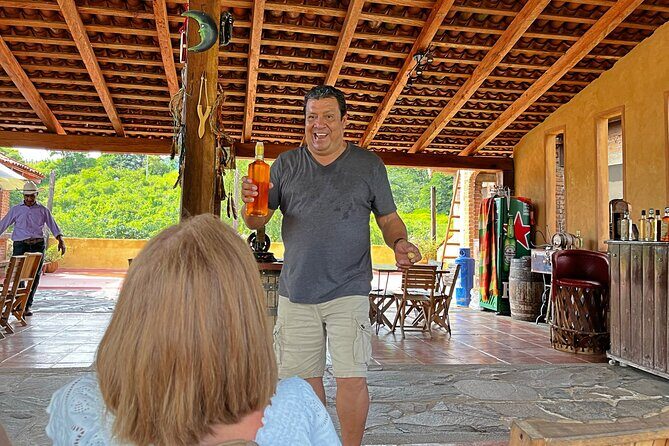
Let’s break it down like you would for a market decision. You’re paying $89 for a guided day trip that includes:
- round-trip hotel pickup and drop-off (selected hotels)
- admission
- authentic lunch
- tequila tasting
- a coffee maker’s house visit
If you tried to build this yourself, you’d likely spend money on transport and then pay separately for tastings and a good meal. Even without obsessing over cost math, the included tastings and lunch are the value engines here. The drive is long, but you’re not paying only for sitting on a road—you’re getting guided time and included experiences once you arrive.
Should you book San Sebastián del Oeste from Puerto Vallarta?
I’d recommend this tour if you want a true Jalisco day and you’re willing to trade extra bus time for a town that feels lived-in. The best version of this day is when you like guided walking, you enjoy food tasting moments, and you’re curious about how a mining village became what it is today.
Skip it if you want a quick, low-effort outing or if long transit time will ruin your mood. And before you go, do one simple thing that saves headaches: confirm pickup details 24 hours ahead and be ready early.
If you do book, you also have some breathing room: cancellations are allowed up to 24 hours before the experience for a full refund. That flexibility can help if your plans are still firming up.
FAQ
What time does the San Sebastián del Oeste tour start?
The tour starts at 10:00 am.
How long is the tour?
It runs for about 6 to 8 hours.
Is hotel pickup included?
Hotel pickup and drop-off are included for selected hotels in the Puerto Vallarta area.
What’s included in the price?
The tour includes a professional guide, authentic Mexican lunch, tequila tasting, admission ticket, and a visit to a coffee maker’s house. It also includes hotel pickup/drop-off for selected hotels.
Are tequila and coffee purchases included?
No. Tequila and coffee purchases are not included.
What should I bring for the day?
Wear comfortable walking shoes, and bring sunblock, sunglasses, and a hat. In winter months, bring a light jacket. Bring cash for souvenirs and any extra food or drinks.
If I need to cancel, what’s the policy?
You can cancel up to 24 hours in advance for a full refund. Changes made less than 24 hours before the start time aren’t accepted, and cancellations within 24 hours are not refunded.
]]>You’ll ride into the Sierra Madre and the greener-than-you’d-expect hills around San Sebastián del Oeste, an old mining town with a slower pace and cobbled streets. Then you get a real walk through the town center: church, main square, town hall, plus workshops where local artisans work with silver.
If you’re sensitive to bumpy roads or you prefer tighter pacing, plan for some extra waiting time and bring patience—some schedules can stretch when conditions are slower than expected.
Key highlights at a glance
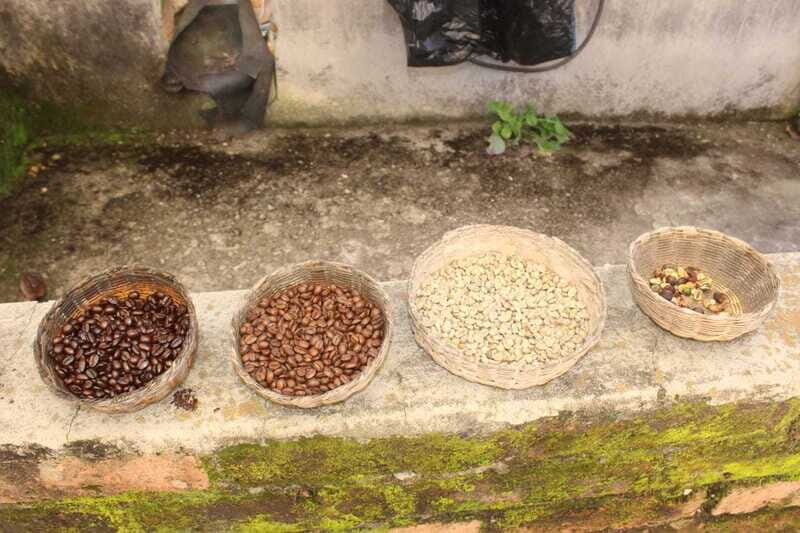
- Organic agave process with tastings at an organic tequila factory, from plant to distill
- Organic coffee plantation visit at an authentic coffee stop tied to the region
- Town-center walking loop including the church and main square
- Bakery stop with regional tastes plus photo-friendly hill views along the way
- Mountain panoramas during the ride into and out of the Sierra Madre
San Sebastián del Oeste: Why this day trip feels different
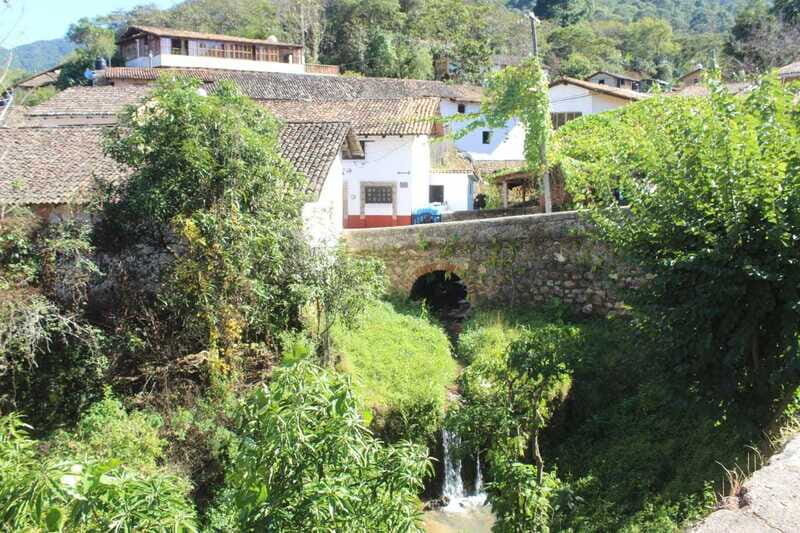
San Sebastián del Oeste doesn’t feel like a typical “check the box” stop. Even from the moment you leave Puerto Vallarta, the scenery starts changing—rolling hills and mountain views take over, and the town’s mood shifts from beach energy to slow, cool mountain life. The town is often described as unusually green for the area, and you’ll see why once you’re surrounded by Sierra Madre mountain scenery.
What I like most is the mix of hands-on producers and real town walking. Many day trips toss you into a pretty main square and call it a day. Here, you get behind the scenes first, then you earn the stroll with tastings and explanations.
One more thing: you’re not just consuming culture. You’re watching processes—how agave becomes tequila, and how coffee is handled at a local plantation-style operation. That makes your time in town more meaningful, because you can connect what you’re tasting to what the region produces.
The road from Puerto Vallarta: scenic, but not always speedy
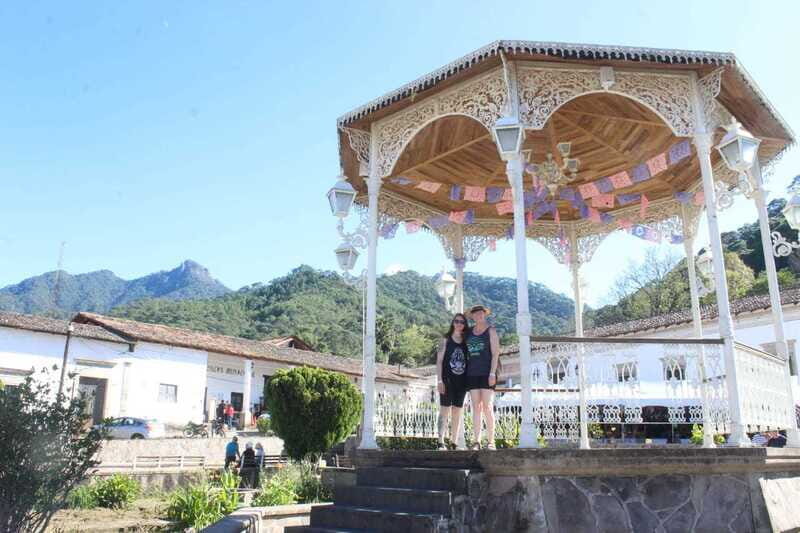
This tour includes hotel pickup and drop-off, and it runs about 7 hours on the schedule. In real life, you should treat it as a full-day commitment. Roads into mountain towns can be winding, and the itinerary includes multiple stops, so any delays snowball fast.
Comfort matters here. The ride can involve rough patches and speed bumps, and sitting in a less ideal seat position can make it harder to enjoy the views. If you get travel-sick easily, bring what helps you (like motion-sickness remedies you already know work). Also wear comfortable shoes and clothes—you’re walking in town at the end, and you’ll want your feet to feel good.
Practical tip: plan your timing around the tastings. Since tequila tastings typically come during the tour before you reach lunch, you’ll want to go easy, hydrate (you get water on the tour), and keep your pace calm if you’re sensitive to alcohol.
Organic tequila at the factory: agave to tasting in plain steps
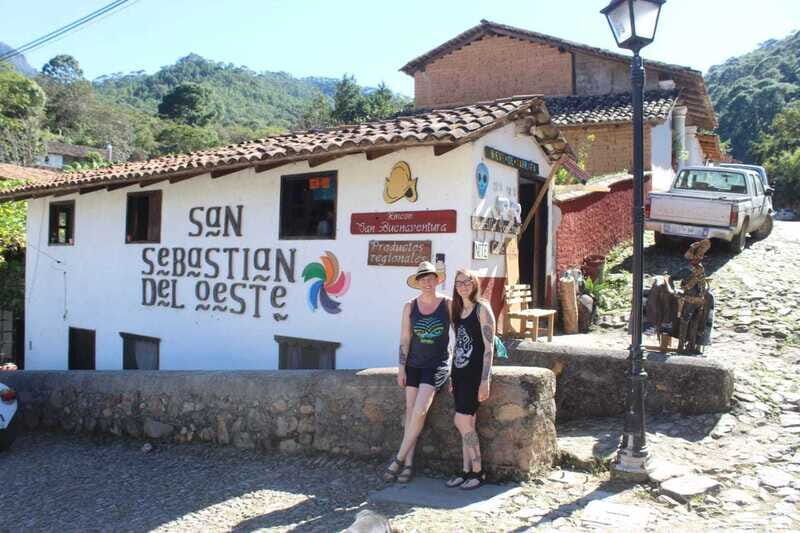
The tequila stop is the highlight for a lot of people for a reason: it’s not vague. You’ll see a full process at an organic tequila factory, including how they grow agave plants, harvest them, cook them, ferment, and distill. Even if you don’t remember every step, you’ll walk away with a clear picture of what happens between a field and your glass.
This is also where the tour earns its “organic” label beyond marketing language. You’re shown the agricultural side of the story and how the workflow leads to the final spirit. That makes your tasting more informed, because you can connect flavors to handling and production steps.
Tastings are included, and that’s where planning pays off. If you don’t want to drink early, this schedule might feel a bit rushed. On the flip side, having tastings earlier can make the rest of the day more relaxed—you’re not driving yourself anywhere, so you can focus on town wandering afterward.
Guide tip: one name you may hear is Gustavo. When you get a guide like him, the storytelling tends to be strong—culture context plus humor, not just a checklist of stops. If your goal is lots of history facts and less retail time, you’ll do best with a guide who stays focused on the town story rather than turning every pause into shopping.
Organic coffee plantation visit: how the region grows its flavor
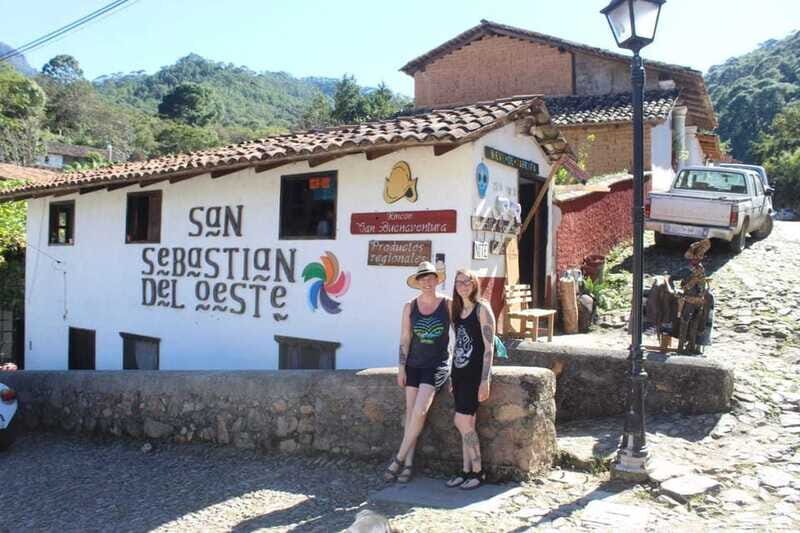
After tequila, you’ll head to an authentic coffee factory and plantation-style experience. Coffee here matters because San Sebastián del Oeste sits in the Sierra Madre environment where growing conditions can support quality beans. The tour includes a look at how coffee is handled at an operation in the area, described as one of the oldest coffee factories locally.
This stop is valuable even if you’re not a coffee fanatic. It gives you a grounded sense of how mountain-region farming and processing work. It also balances out the tequila portion of the day. Tequila is quick, bold, and celebratory; coffee is calmer and more patient, and that contrast keeps the itinerary from feeling one-note.
Practical note: you’ll want to pay attention during this portion because it’s easy to treat it like a quick photo stop. Instead, listen for how the process ties into the final cup. Even basic info—how beans are treated, and what the factory does—helps you appreciate why certain coffee tastes the way it does.
The town walk: church, main square, silver workshops, and bakery breaks
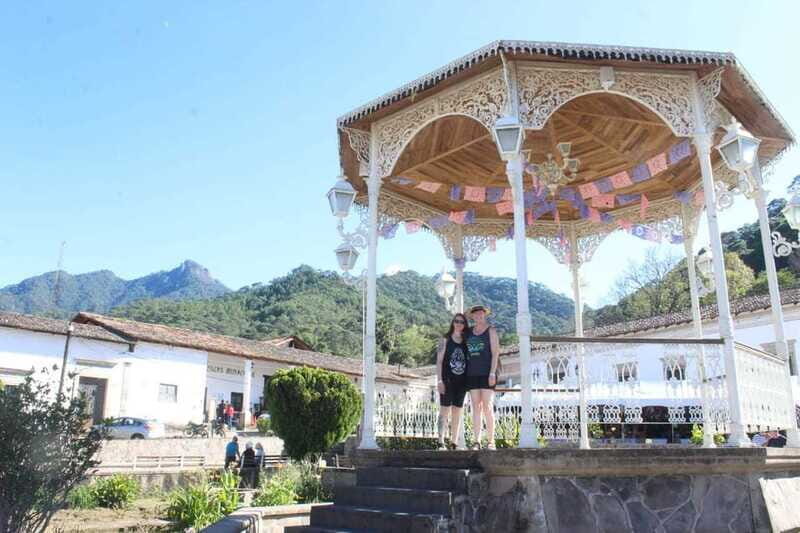
Once you reach San Sebastián del Oeste, the mood shifts into classic old-town rhythm. You’ll walk past the church and the main square, plus stops like the town hall, museum, and artisan workshops. These are the places where the mining-town character shows up in architecture, layout, and what locals make.
One of the more interesting elements is the silver workshop time. You’ll see local artisans working with silver and creating unique designs. Even if you’re not shopping, it’s a window into craft. You can watch the work and understand that the town’s economy historically tied to mining and later to artisan skill.
And yes, you’ll also have a bakery stop along the way—often with a chance to take photos and enjoy regional tastes. This matters because it gives you something to snack on before the bigger lunch. It’s also a nice reset between the production stops and the walking portion.
Cobbled streets are part of the experience, so choose shoes with real grip. Strolling is easy here, but stones and uneven spots are common. If you wear delicate footwear, you’ll feel it by the end.
Lunch at a family restaurant: simple, local fuel
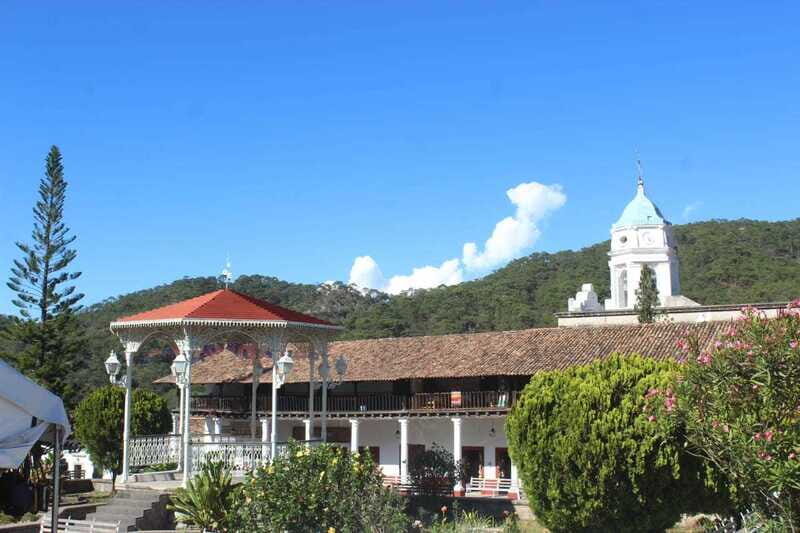
Lunch is included, and it’s served at a family restaurant. In a day like this, lunch does two jobs: it refuels you for the walk, and it gives you a chance to try Mexican food in a setting that feels part of the day rather than an arranged performance.
Because tequila tastings usually come earlier, I recommend you approach lunch as your real reset. Go for what looks best on the day, not what sounds most trendy. If you’re the type who gets hungry fast, you’ll appreciate the included meal after the walking and tastings.
Also, don’t skip water between stops. You’ll have a long day of sun, movement, and a couple of taste sessions. The tour provides bottled water, but it’s still smart to sip steadily.
Price and value: is $79 a fair deal?
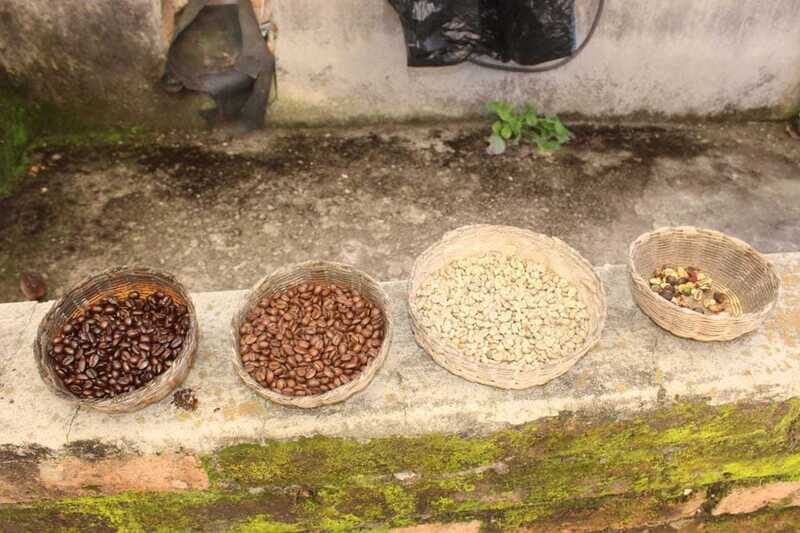
At $79 per person for a 7-hour scheduled day, this tour stacks up best for people who want multiple experiences in one organized trip—tequila production, coffee, and guided town walking—without worrying about transportation.
Here’s how I’d judge the value:
- If you enjoy process tourism (seeing how things are made), the tequila + coffee combo justifies a big chunk of the cost. Factory visits with tastings aren’t free anywhere.
- If you care more about town wandering, you’ll still get meaningful time in the town center: church, main square, workshops, museum, and more.
- The main “value risk” is time. If your day stretches beyond the planned window due to road conditions or waiting, you may feel like you spent more hours in transit than you want.
So the deal is solid when you’re flexible and you’re genuinely interested in tequila and coffee. If you hate early alcohol tastings or you dislike a packed schedule with shopping-adjacent stops, you might feel less satisfied per hour.
Who should book this tour (and who should skip it)
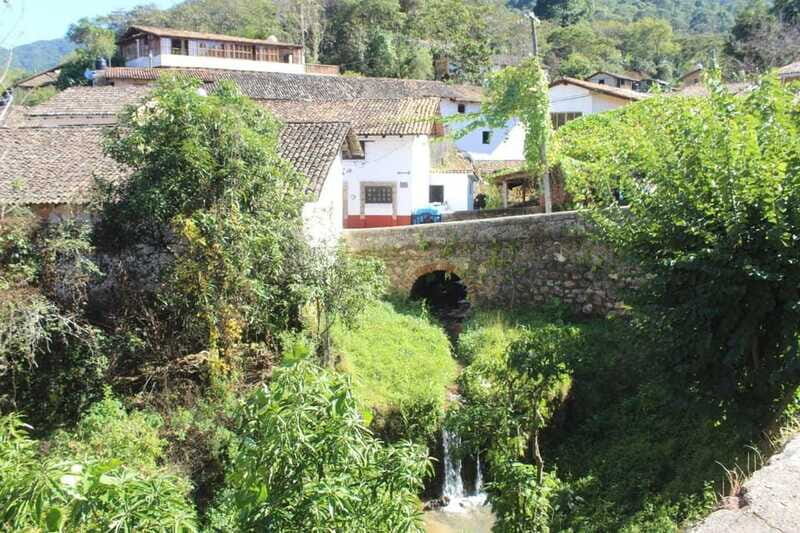
This tour is a good fit if you:
- Want a single day that blends mountain scenery, craft food/drink, and old-town walking
- Enjoy factory visits and tastings with a guided explanation
- Like the idea of San Sebastián del Oeste as more than a photo stop
You might want to rethink if you:
- Have trouble with long drives and bumpy roads
- Prefer heavy history narration and minimal retail time
- Need wheelchair access (the tour is not suitable for wheelchair users)
For couples and small friend groups, it can feel like a relaxed, well-rounded day. For solo travelers, the guided structure helps you make sense of the town quickly.
What to bring so the day stays pleasant
A few basics go a long way here:
- Comfortable shoes for cobbled streets and walking
- Sunscreen for the ride and town time
- Comfortable clothes (the day includes both sun and indoor factory stops)
Also consider bringing a light layer. Mountain weather can shift, and even on warm days, air-conditioned transportation and factory air can feel cool.
Should you book this San Sebastián del Oeste day trip from Puerto Vallarta?
I’d book this tour if your ideal day includes organic tequila tastings, a real coffee stop, and a guided walk through San Sebastián del Oeste’s town center. It’s a strong choice for people who want authentic regional flavors and don’t mind that it’s a full-day commitment.
I’d pass or switch plans if you’re very sensitive to timing—because the schedule can stretch—and if you strongly prefer a later start on alcohol tastings. The experience works best when you’re open to the order of stops and you treat the ride as part of the journey, not just the commute.
FAQ
FAQ
How long is the tour from Puerto Vallarta to San Sebastián del Oeste?
The tour duration is listed as 7 hours. Starting times depend on availability.
What is included in the price?
The price includes hotel pick up and drop-off, a bilingual tour guide, air-conditioned transportation, bottle of water, lunch, and the included tastings.
Is lunch included?
Yes, lunch is included as part of the tour.
Do I get to taste tequila and coffee?
Yes. Tastings are included during the tequila factory experience, and the tour also includes an authentic coffee factory/plantation visit.
What stops are included during the day?
You can expect a bakery stop along the way, an organic tequila factory experience (including the tequila-making process and tastings), an authentic coffee factory stop, and a walking tour in San Sebastián del Oeste including the church and main square.
Does the tour have a bilingual guide?
Yes. The tour guide is available in Spanish and English.
Is pickup available if I’m staying in a hotel?
Yes. Hotel pick up is included. You provide your hotel name when booking so the operator can confirm your pickup time.
What if I’m staying at an Airbnb or private house?
The operator can set a close meeting point if you are not staying in a hotel. You’ll confirm the details as part of the booking process.
Is the tour wheelchair accessible?
No. The tour is not suitable for wheelchair users.
When should I cancel to get a full refund?
You can cancel up to 24 hours in advance for a full refund.
Can I reserve now and pay later?
Yes. You can reserve now and pay later, keeping your travel plans flexible by paying nothing today.
]]>This is a small-group outing (up to 18), so the guide can actually steer the pace. You may hear big personality and big local context from guides like Adam, David, or Miguel, and that makes the history feel practical instead of like a lecture.
You’ll spend time walking the old center, and the streets can be cobblestony and uneven. Plan on comfortable shoes and an easy attitude about timing, since lunch won’t be the first thing on the agenda.
Key Things I’d Focus On
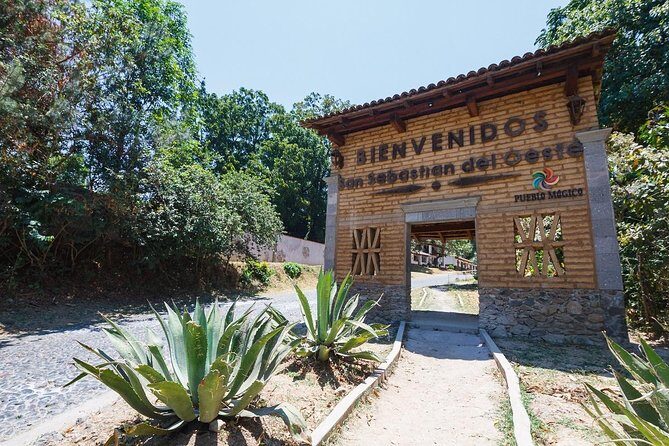
- Organic coffee factory tour in San Sebastian del Oeste, not just a quick photo stop
- Tequila distillery visit plus tasting time (with some shopping stops along the way)
- Certified guide who brings the town’s mining-era story to life during the walk
- Included lunch at a local Mexican restaurant, usually after the morning stops
- Small-van reality: aim for the best seat for views and legroom early
San Sebastian del Oeste: The Car-Free Way to See Another Side of Jalisco
San Sebastian del Oeste is one of those places that feels like a different chapter of Mexico. It’s inland west of the coast, and the vibe is slower, cooler, and more grounded in craft and family trades. Instead of using a rental car, this tour takes care of the big logistics—getting you there and back—so you can spend your energy on the town itself.
The core value here is the combo. You’re not only seeing the pretty downtown. You also get time tied to how the region makes money and culture: coffee and tequila. That pairing matters, because it explains why this mountain town exists the way it does—work, craft, and community.
It also helps that the day is built around a guided walk in the historic center. Without the guide, you might see stone streets and pretty views. With the guide, you get the why behind them: mining influence, stonework details, and the reasons the town earned its Magic Town label (and the work it takes to keep it that way).
What You Really Get for $88: Coffee, Tequila, Transport, and a Lunch Stop
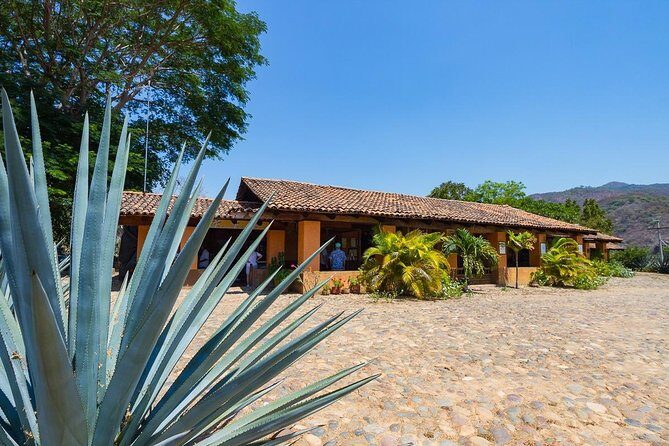
At $88 per person, the math works best if you actually use what’s included instead of treating it like a simple bus ride. Here’s what you get baked in:
- Round-trip transportation from Puerto Vallarta area
- Certified tour guide
- Distillery tour and tasting time
- Organic coffee factory tour
- Lunch at a Mexican restaurant
- Walking tour in San Sebastian’s downtown
For a day trip, transport alone can be the deciding factor. If you’ve ever tried to find your own way to a small inland town and then worried about schedules, you know how stressful that gets. This is the simpler option: you show up, follow the plan, and enjoy the stops.
The other big value piece is the food. An included lunch sounds basic, but it saves you from hunting for something decent while you’re already away from the coast. Just don’t assume it’s early—plan your morning with the idea that lunch is later.
Getting There from Puerto Vallarta: Pickup, Meeting Point, and Van Comfort
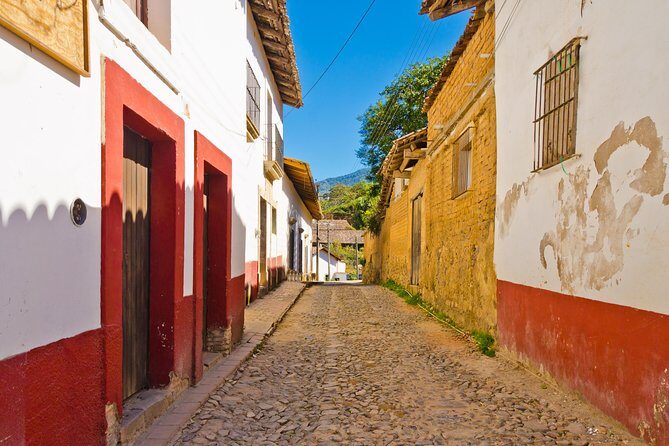
The tour starts at Av Mexico 570, 63735 Nuevo Vallarta, Nay., Mexico at 9:00 am, and it ends back at the meeting point. Pickup is offered in most hotels. If your hotel doesn’t have pickup, you’ll get the closest meeting point shared by message the afternoon before.
Here’s the practical part: this day is often run in a small van format. That can be great for keeping the group together, and it helps you reach areas where bigger vehicles might not fit well. But it can also mean limited legroom when the van fills up.
If you’re sensitive to comfort, I’d do two things:
- Arrive on time so you have first pick of seats
- If your goal is views, ask for a window seat when you board
A review issue that came up more than once was people feeling stuck in back seats with limited sightlines for a long stretch of the day. You can’t control everything, but you can control where you sit.
The Day’s Flow: How the Morning Builds Into the Old Town Walk
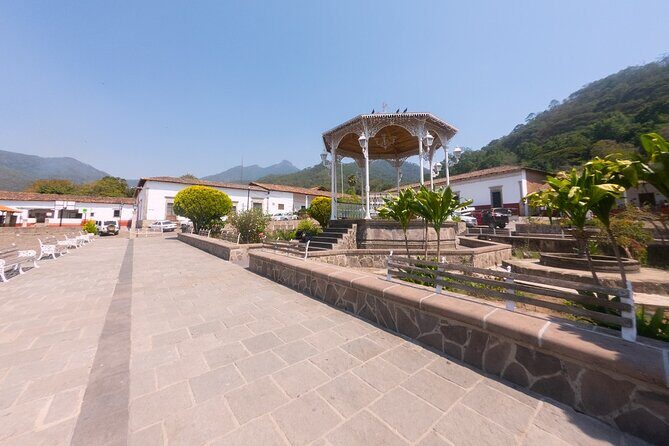
The schedule runs about 10 hours total, with a long-enough “get there” chunk that you should treat as part of the experience, not downtime you resent. You’ll head inland to San Sebastian del Oeste and spend your time on the key stops that explain the town.
A typical rhythm looks like this:
1) Morning travel into the mountains
2) Coffee stop (organic coffee factory tour)
3) Tequila stop (distillery visit and tasting)
4) Town walking tour in the downtown center
5) Lunch in an authentic local Mexican restaurant
6) Return toward Puerto Vallarta
One timing detail worth planning around: lunch isn’t available before 2 pm. If you snack at breakfast, you’ll feel better once the morning tour ends. If you don’t, you might start thinking about food while you’re still enjoying the sights.
Also remember: the day includes multiple stops and some pacing changes depending on the group. That’s normal for a small-town visit where not everything is one-size-fits-all.
Stop 1: San Sebastian del Oeste, a Magic Town Feel Up Close
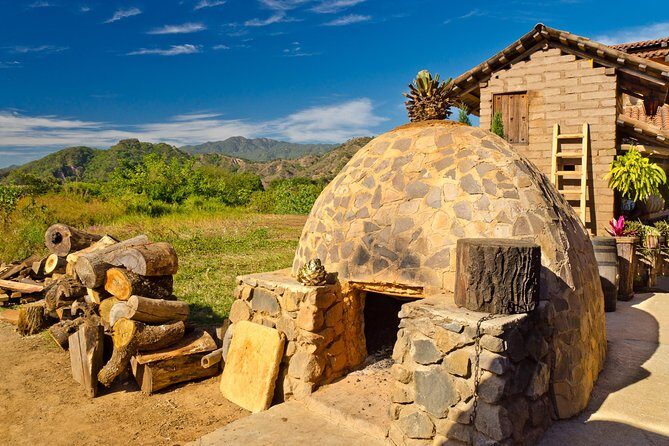
San Sebastian del Oeste is often described as a “Magic Town,” and that label is less about marketing and more about what you can see: older stonework, a distinct town layout, and a sense of place shaped by local work. This tour is designed to get you into that feel with more than just passing photos.
The walking part is guided, so you’re not just hearing general statements. You’ll get specific context about stone structures and the region’s mining importance—both the upside and the downsides. The guide also helps you connect what you’re seeing (stone details, building style, town layout) to how people lived and worked.
You’ll also get good time for viewpoints and the “slow down” feeling that this town does well. Even if you’re not an architecture nut, the town’s character does enough of the talking to make the walk worthwhile.
The main consideration: the streets can be hard underfoot—cobblestones and inclines. If you have knee issues, ankle problems, or you simply don’t do well on uneven pavement, this part might feel more tiring than you expect. Comfortable shoes are not optional here.
Organic Coffee Factory Tour: More Than a Tasting Line
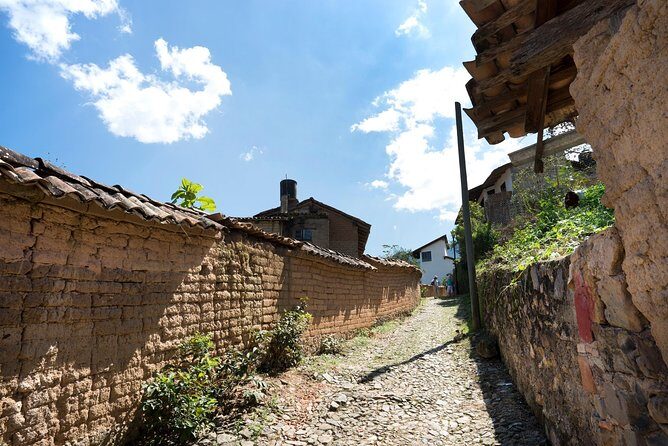
The coffee stop is one of the more interesting parts because it’s not only about drinking something good. You get an actual look into how coffee is produced on an organic basis, and you also pick up the family and regional story behind the work.
What makes this stop a strong value for your time:
- You understand the difference between a “coffee stop” and a coffee production stop
- You hear how the business fits into the town’s broader economy
- You get tastings and learning moments without feeling rushed
The best way to enjoy a coffee factory visit is to treat it like a hands-on conversation. Ask questions your way, not the tour’s way. The guide’s job is to explain; your job is to pay attention long enough that you can remember what matters.
If you’re the kind of traveler who likes to buy food or drink only when it’s tied to a story, you’ll probably enjoy this stop a lot. Just keep an eye on time—some shopping moments may happen after tours, and you don’t want to miss the walking portion.
Tequila Distillery Visit and Tasting: Good Learning, Watch the Expectations
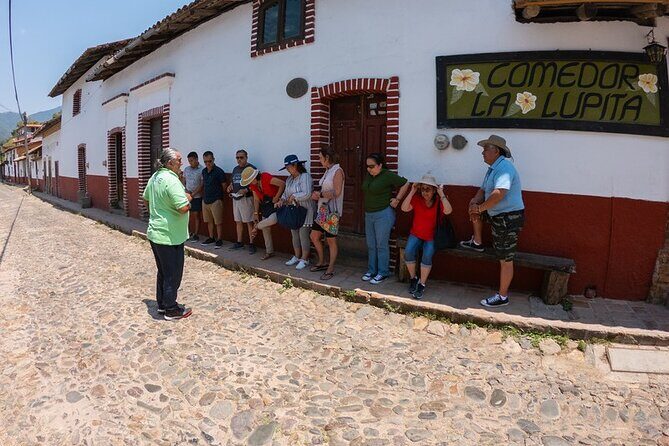
The distillery stop has a reputation for being a highlight. The reason is simple: it’s a full sensory experience. You see the process at the distillery level, you taste, and you get explanations that can change how you think about tequila.
Two practical notes from what you can expect:
- The tasting portion is the part you can count on most.
- The “production” you see may feel more gallery-like than live-work style, depending on what’s happening that day.
Some guests were expecting to see more hands-on work in motion. If that’s your dream, I’d keep your expectations broad: consider it a distillery visit with tasting and storytelling, and let the guide show you what’s visible.
Also, plan for shopping time. Many tours include time near artisanal product areas, and sometimes those areas focus on buying rather than watching production. That’s not bad—it’s just good to know what kind of stop you’re stepping into.
If you’re buying tequila, remember: tasting tells you what you like best, not what you should buy just because it’s local. If you’re not sure, start with one bottle you truly enjoyed, not three you might regret later.
Lunch at a Local Mexican Restaurant: A Real Break, Not Just Fuel
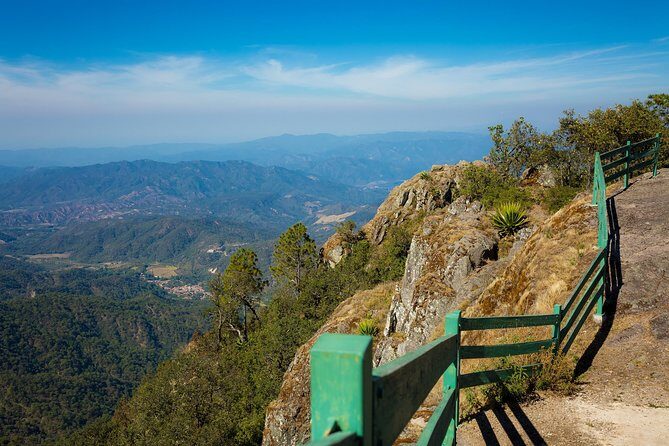
Lunch is included, and it’s a big deal on a day trip like this. You’ll eat at a Mexican restaurant that feels local, and the food can be one of the best moments of the day—especially after travel and factory tours.
One timing detail matters: lunch comes later, and it can be frustrating if you arrive with a breakfast-only plan. I strongly suggest you eat a real breakfast before pickup. Then carry a light snack if you get hungry while waiting for lunch service.
When lunch is good on these tours, it changes how you judge everything else. After a proper meal, the walking tour feels easier, and you’ll enjoy the final town browsing instead of trying to finish it fast.
Walking the Downtown: Cobblestones, Views, and Choosing Your Pace
The downtown walk is where the tour becomes memorable. It’s also where you’ll feel the physical side of a mountain town visit.
The streets can include cobblestones and incline. That doesn’t mean it’s extreme trekking, but it does mean you should wear shoes with real grip and support. If you’re traveling with older parents or anyone with mobility limitations, this is the one part to think hard about.
Here are two practical tips that can make a big difference:
- Take it slow at the start. Don’t rush into the walk; cobblestones punish hurried feet.
- If there’s a church or a stop that looks like it can get crowded, ask the guide about best timing. In past tours, timing around a church visit created different experiences depending on the hour.
Also, if you’re the type who likes photos, the downtown walk offers natural photo moments. Just don’t stand still too long where others are trying to pass you. The guide’s job is to keep the group moving, and a little flexibility keeps the day smooth.
Who This Tour Suits Best (and Who Might Not Love It)
This San Sebastian del Oeste tour is a great match if you want:
- A car-free day trip
- A meaningful cultural stop that includes coffee and tequila
- Guided walking time so you get more than just sightseeing
- A small-group pace that avoids feeling like a mass tour
It’s also a good fit if you love food and drink tied to place. The organic coffee and tequila tasting are the kinds of stops that can become souvenirs you actually remember.
Who should think twice:
- Anyone who needs lots of legroom in vehicles. A small van can feel cramped when full.
- Anyone who has trouble with cobblestones and slopes during the downtown walk.
- Travelers who only want distillery production viewed in action. You might get a more interpretive distillery visit with tasting and explanation instead.
If you’re flexible on timing and comfortable with uneven walking, you’ll likely feel like you got a full day out of your money.
Price and Logistics: The Value Case for Your Day Trip
Yes, it costs $88—but the value is in what you don’t have to arrange yourself. You’re paying for:
- Transportation (round trip)
- A certified guide
- Two major production-style visits (coffee and tequila)
- Lunch
- A downtown guided walk
That’s why this works better than a DIY plan for many people. Even if you could figure out transit, you’d still need to coordinate arrival timing, find tours, and handle meal plans. Here, the structure is done for you.
Still, value depends on your priorities. If you mainly want the town photos and quick shopping, you might feel the day is longer than you expected. If your priorities are coffee, tequila, and the guided walk, this price looks much more fair.
Should You Book This San Sebastian Tour?
Book it if you want a well-structured inland day from Puerto Vallarta that mixes town walking with organic coffee and tequila tasting. This tour is especially worth it for people who prefer guided context and don’t want the stress of driving inland.
I’d hold off if you’re very sensitive to cramped vans, limited sightlines, or uneven cobblestone walking. In that case, you can still enjoy San Sebastian del Oeste—but you’ll want a setup that matches your comfort needs.
FAQ
How long is the San Sebastian del Oeste tour from Puerto Vallarta?
The tour runs about 10 hours (approx.).
Where does the tour start, and is there pickup?
It starts at Av Mexico 570, 63735 Nuevo Vallarta, Nay., Mexico at 9:00 am. Pickup is offered in most hotels; if your hotel doesn’t have pickup, you’ll be told the closest meeting point the afternoon before.
What’s included in the price?
Round-trip transportation, a certified tour guide, a distillery tour, an organic coffee factory tour, lunch at a Mexican restaurant, and a walking tour in San Sebastian’s downtown.
Is lunch included, and when is it served?
Lunch is included. One timing note to plan around is that lunch is not available before 2 pm.
Do I need to pay admission tickets?
The San Sebastian del Oeste portion notes an admission ticket as free.
How large are the groups?
The maximum group size is 18 travelers.
What is the cancellation policy?
You can cancel for free up to 24 hours in advance for a full refund. If you cancel less than 24 hours before the start time, the amount paid is not refunded.
]]>What really sells this tour for me is how the day balances sights with stops that make sense. I especially enjoyed the buffet lunch and the culture talk that turns the town square, church, and old mining feel into something you understand as you walk. If you hate shopping stops or want maximum free time in the village, go in with clear expectations.
Key things to know before you go
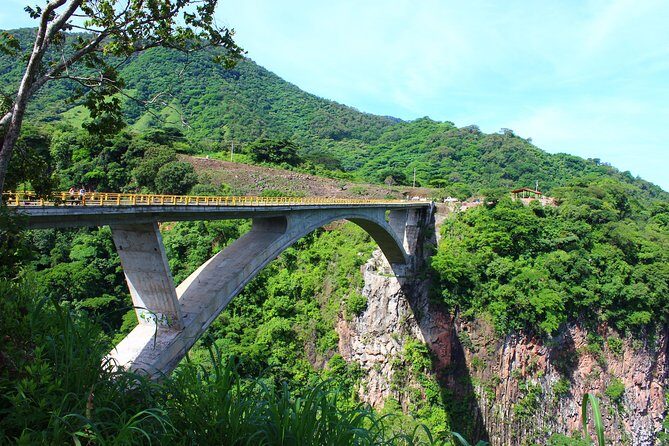
- Free pickup and drop-off in Puerto Vallarta means you don’t have to wrangle taxis for a day trip
- Up to 20 people keeps the group feeling more personal
- Guided walking through San Sebastián del Oeste focuses on culture, traditions, and heritage
- Tequila and coffee tasting stops add context, not just a quick photo break
- Lunch buffet is a highlight and gives you real fuel for the long day
- Plan for a long van ride and occasional shopping-focused stops
San Sebastián del Oeste: a slow walk through a historic mining town
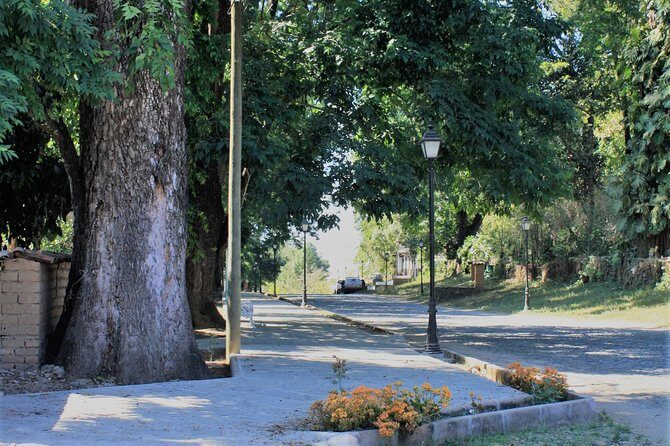
San Sebastián del Oeste is the kind of place where the details matter. Expect a guided walking tour through local streets with time to take in the look of the town: cobblestones, a beautiful church, and a calm pace that feels far from the resort buzz back in Puerto Vallarta.
The best part is the way a good guide connects what you’re seeing to what came before. Some guides on this route have a knack for stories, including legends tied to Saint Sebastian, plus background on how the region’s past shaped everyday life. One guide even leaned hard into plants and fruits from the area, which made the walk feel more like being shown a living place rather than a staged attraction.
You’ll also notice the town’s mining-town vibe. In conversation during the walk, you get the sense of Sierra Madre mountain life and the history that grew around it. And yes, it really is quiet. That’s charming if you like atmosphere; it can feel a little slow if you’re chasing constant action.
Practical tip: wear shoes you can stand in comfortably. The tour is built around walking the town streets, and you’ll want to move at an easy pace without worrying about sore feet.
The mountain ride from Puerto Vallarta: when comfort and time matter
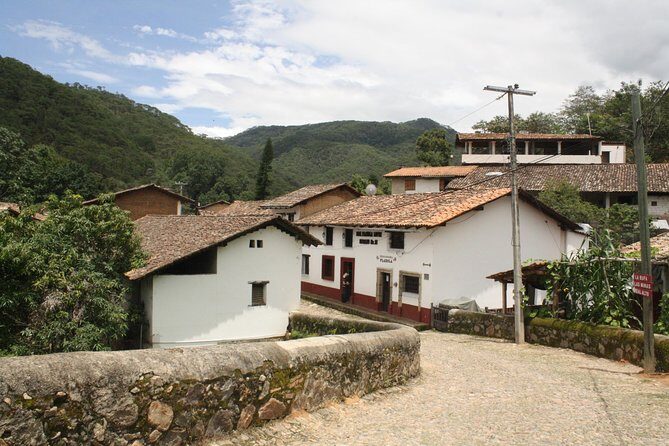
Most of your day happens on the road. The tour starts at 10:00 am, and your return time can land close to late afternoon or early evening depending on traffic and how stops go. In one recent schedule, pickup was around 8:40 am and the return came back around 6:40 pm, so I’d treat this as a true full-day commitment.
The drive is scenic, but it can also be rough. Several people noted bouncing, speed bumps, and a van that felt tight or uncomfortable. If you’re even mildly prone to motion sickness, bring something just in case. Also, if you can, ask for the most comfortable seating option when you board—window seats can help some people, but glare and visibility can be an issue depending on the vehicle.
Bathroom breaks are another real-world factor. On a day like this, you can’t assume you’ll have frequent chances unless the route timing allows it. I’d plan to use the bathroom whenever there’s a stop that’s clearly meant for it, and bring a small bottle of water so you’re not caught dry-mouthed between breaks.
Practical tip: pack a light layer. Even in warm months, the mountains can feel cooler once you’re climbing away from the coast.
Tequila and coffee stops: education with a side of temptation
This tour often includes a tequila distillery-style stop and a coffee tasting. The tequila stop is not just a pour-and-go. Guides explain types of tequila, how it’s made, and what you should notice when you taste. If you like learning while you sample, this part is one of the reasons the tour feels more valuable than a basic countryside bus ride.
Coffee tasting tends to be paired with the mountain/region theme. I found the idea smart: after time in the cool air and historic streets, it makes sense to slow down with a hot drink and a short explanation. That said, the tasting experience can vary by how the stop is run, so set your expectations to learn, not to expect a huge tasting flight.
Also, remember alcohol isn’t included. Alcoholic drinks are available to purchase, but tastings and their non-alcohol components should be understood as part of the stop rather than a full open bar.
Practical tip: if you don’t want to drink alcohol, you’ll still be able to enjoy the explanation and keep it to non-alcohol sips. Just know that the stop is set around tequila culture.
Lunch buffet: the meal that makes the long day worth it
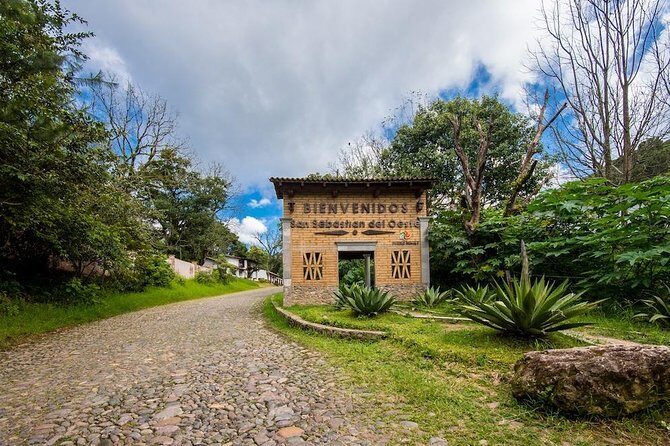
Lunch is a buffet lunch, and it’s one of the most consistently praised parts of the experience. The lunch is served to keep the day moving, but the food quality is what stands out. People described it as excellent and authentic, with enough variety to satisfy different tastes without making you feel stuck waiting.
This matters because the tour can feel long once you’re on the clock. A good lunch is what prevents that late-day slump where you start caring only about getting back to the hotel. On this route, lunch seems to do the job: good portion sizes, filling plates, and a chance to sit and reset before the afternoon.
Practical tip: if you’re picky about spice or have dietary needs, eat first and then ask questions. The tour data confirms lunch is included, but it doesn’t list dietary customization details.
Shopping stops in the middle of the culture day
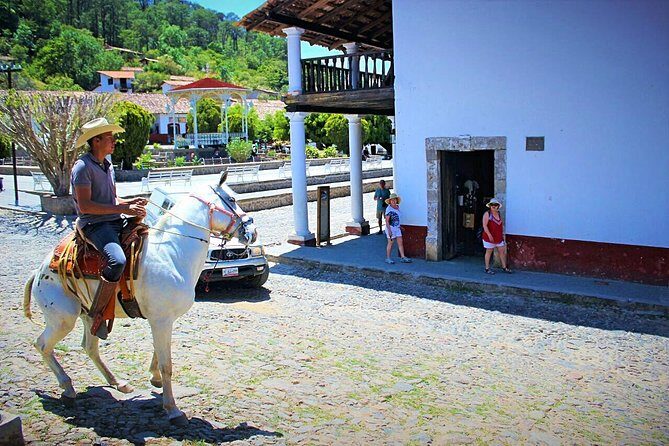
Here’s the trade-off you should be honest about: the schedule includes multiple stops that can turn into shopping time. Names that come up include jewelry and silver-focused locations, plus items tied to opals and weaving/textiles. One person even described feeling strongly pressured during a silver shop visit, including being followed into town to push a purchase.
Not every stop feels the same. Some guides and drivers keep the mood friendly, and others spend more time inside sales-style showrooms than you might want. The town itself can be quiet, so if you were hoping for extra free time in the village after lunch, you may feel the shopping blocks steal minutes you’d rather spend on the streets.
My advice: decide before you go how you’ll handle sales situations. If you like browsing crafts, you’ll probably enjoy this as part of the day. If you’d rather avoid the stress, keep your wallet out and treat those stops as quick stops for photos and a polite thank-you.
Practical tip: bring cash only if you actually want to buy something. That simple move reduces pressure and helps you stay in control.
Guide quality and group vibe: intimate with real personalities
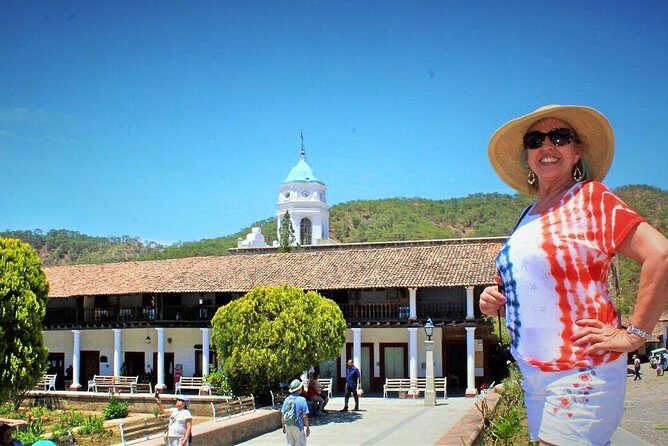
One of the strongest points of this tour is the human factor—your guide. Across this route, guides come with different personalities and teaching styles, but the common thread is effort and friendliness. Names that show up in guide feedback include Eric, Jorge, Gustavo (Gus), Emma, Omar, Raul, José, Federico (Fredericho/Frederico), and Antonio. People credit guides for clear English and for sharing detailed history and practical regional info.
Another plus: you’re capped at a maximum of 20 travelers. That’s small enough to feel like a group you can actually interact with, especially on the walking portion. It also helps when the guide is answering questions while keeping the schedule flowing.
One more nuance: some guides may be multi-lingual. The tour is offered in English, but if you’re traveling with someone who speaks Spanish too, you might appreciate how explanations may shift depending on the group.
Practical tip: if you care about a certain topic—religious architecture, mining history, tequila—say so early. A good guide will often weave it into what they emphasize.
Price and value for $85: what you’re really paying for
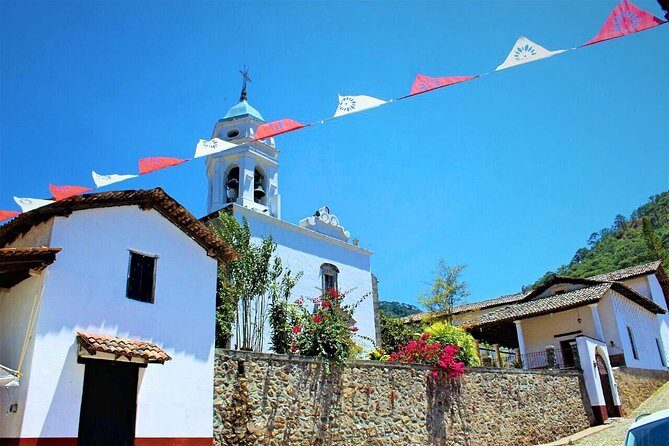
At $85 per person, this tour has a clear value proposition. You’re paying for transport from Puerto Vallarta, free hotel pickup and drop-off, a professional guide and driver, and the included buffet lunch. You’re also paying for structured time: you don’t have to figure out the road, the timing, or how to connect multiple stops in a single day.
What you should weigh is your tolerance for the format. You’ll spend a lot of time in the van, and shopping stops can be more than a quick glance. If you’re the kind of traveler who wants maximal time wandering the town on your own, this may feel less like a pure sightseeing day and more like a guided itinerary with optional purchases.
But if you like history, culture, and learning while you sample local tastes, the price starts to make sense fast—especially with lunch included and the day designed to cover a lot of ground without you doing logistics.
Practical tip: treat this as a culture-and-taste day trip, not a hike. If you want rugged outdoor time and lots of independent exploration, choose a tour built around that instead.
Who should book this San Sebastián del Oeste day trip
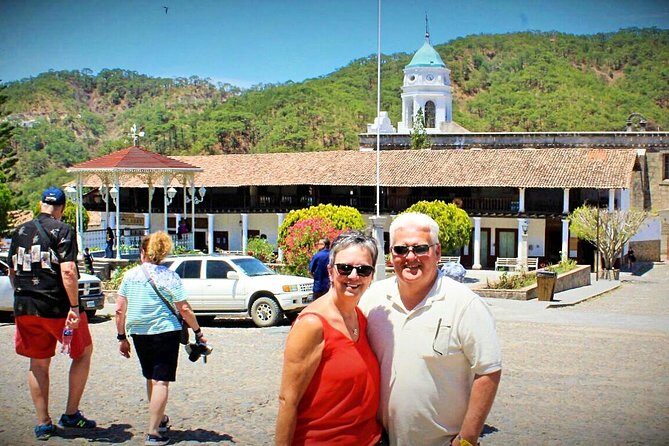
This is a great fit if you:
- Want a calm historic town visit from Puerto Vallarta without planning transport
- Enjoy guided walks where someone explains what you’re seeing
- Like tequila and coffee stops that come with education
- Appreciate a solid lunch included in the price
It may not be the best fit if you:
- Get carsick or hate long road days with bumpy stretches
- Prefer minimal shopping and fast-moving schedules
- Want lots of unscheduled free time inside the town itself
Should you book it?
I’d book this tour if you’re excited by a historic mountain town, a real guide, and a day that mixes walking with a good meal and tastings. The free pickup and included lunch make it feel efficient, and the guide-led context is where the day earns its keep.
Skip it or be cautious if your top priority is pure time in San Sebastián del Oeste with no extra stop pressure. The van time and the shopping stops are part of the package, so go in with your expectations set.
FAQ
FAQ
What does the San Sebastián del Oeste tour from Puerto Vallarta include?
It includes hotel pickup and drop-off, transport by private vehicle, a driver/guide, a professional guide, and a buffet lunch.
How much does the tour cost?
The price is $85.00 per person.
How long is the tour?
The duration is about 7 hours.
What time does the tour start?
The start time is 10:00 am.
Is the tour offered in English?
Yes, it is offered in English, and it may be operated by a multi-lingual guide.
Is lunch included, and is alcohol included?
Lunch is included as a buffet lunch. Alcoholic drinks are not included; they are available to purchase.
Is the town admission ticket included?
The stop in San Sebastián del Oeste lists an admission ticket as free.
How many people are in the group?
The tour has a maximum of 20 travelers.
Can children join?
Children must be accompanied by an adult.
What if weather is bad?
This experience requires good weather. If it’s canceled due to poor weather, you’ll be offered another date or a full refund.
Can I cancel for free?
Free cancellation is available up to 24 hours in advance for a full refund.
]]>